×
- Hello
- Login or Register
- Quick Links
- Live Chat
- Track Order
- Parts Availability
- RMA
- Help Center
- Contact Us
- Shop for
- Mercedes-Benz Parts

My Garage
My Account
Cart
Genuine Mercedes-Benz 300TD Radiator
Cooling Radiator- Select Vehicle by Model
- Select Vehicle by VIN
Select Vehicle by Model
orMake
Model
Year
Select Vehicle by VIN
For the most accurate results, select vehicle by your VIN (Vehicle Identification Number).
2 Radiators found

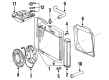
Mercedes-Benz 300TD Radiator Part Number: 126-500-35-03
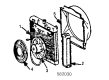
Mercedes-Benz 300TD Radiator Part Number: 123-501-44-01
Mercedes-Benz 300TD Radiator
Every OEM part goes through strict quality checks. The checks keep you safe and make Radiator tough. They keep performance the same as your original parts. If your Mercedes-Benz 300TD needs OEM parts, visit our catalog. You will find extensive genuine Mercedes-Benz 300TD parts. We offer a wide selection at competitive prices, and with clear fit details and simple guidance, choosing what you need is effortless. Each of our parts has a manufacturer's warranty. You will like our simple return policy. We pack and ship fast, and you get your order quickly. Shopping here feels easy and enjoyable.
Mercedes-Benz 300TD Radiator Parts and Q&A
- Q:What steps should be followed to remove and install a radiator on Mercedes-Benz 300TD?A:This procedure must be done when the engine is cool. Unscrew the negative connection at the battery and lay it aside so it cannot accidently connect with the negative connection, which could then supply power back towards the car electrical system. Take the radiator drained and unplugged drainage and recovery hose to radiator. Stick to one radiator attaching clip and suspend the fan shroud off of the fan by hooking a screwdriver into the shell and popping the two clips. Lift the front of the car and jackstand it. Unscrew the oil cooler bracket and automatic transmission cooler hose attachment to the bottom of radiator and seal inside the hose ends to avoid further drainage and contamination. Lift radiator carefully up and out of the engine compartment with care the radiator fins are delicate. Look at the radiator with leakage and damages, and do repairs on the radiator where needed in a radiator repair shop. When radiator is out, wipe away insects or leaves on the radiator under the radiator cover, inspect to make sure any section of a hose or clamp is in condition. Radiator may be emptied and in case of a new radiator using the fittings of the previous unit. Installation is the opposite of removal as the radiator seats to be firmly strapped in the mounts. Refill radiator with correct coolant mix after installation and also top up the level of the automatic transmission fluid to replenish the fluid that may have leaked out of the hoses. When you start your engine, be sure that there are no leaks along the numerous hoses.
Related Mercedes-Benz 300TD Parts
 Mercedes-Benz 300TD Coolant Pipe
 Mercedes-Benz 300TD Coolant Reservoir
 Mercedes-Benz 300TD Coolant Reservoir Cap
 Mercedes-Benz 300TD Coolant Reservoir Hose
 Mercedes-Benz 300TD Cooling Fan Assembly
 Mercedes-Benz 300TD Engine Oil Cooler
 Mercedes-Benz 300TD Fan Clutch
 Mercedes-Benz 300TD Fan Shroud
 Mercedes-Benz 300TD Oil Cooler Hose
 Mercedes-Benz 300TD Radiator fan
 Mercedes-Benz 300TD Radiator Hose
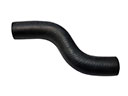 Mercedes-Benz 300TD Water Hose