×
- Hello
- Login or Register
- Quick Links
- Live Chat
- Track Order
- Parts Availability
- RMA
- Help Center
- Contact Us
- Shop for
- Mercedes-Benz Parts

My Garage
My Account
Cart
Genuine Mercedes-Benz C230 Crankshaft
Crank Shaft- Select Vehicle by Model
- Select Vehicle by VIN
Select Vehicle by Model
orMake
Model
Year
Select Vehicle by VIN
For the most accurate results, select vehicle by your VIN (Vehicle Identification Number).
3 Crankshafts found
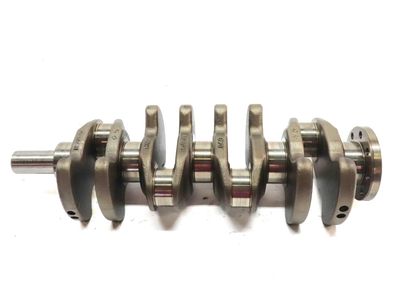
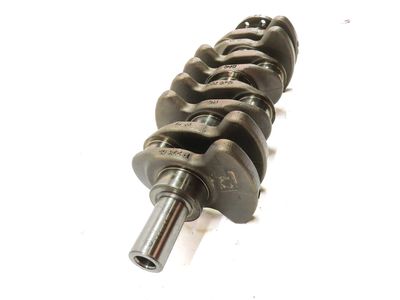
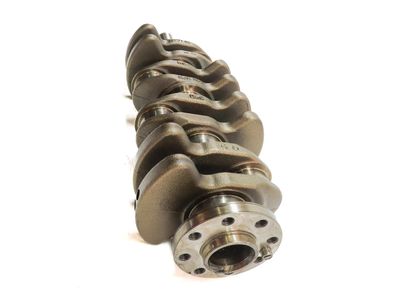
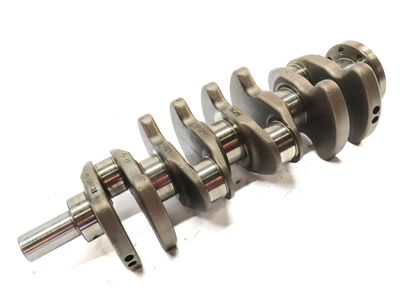
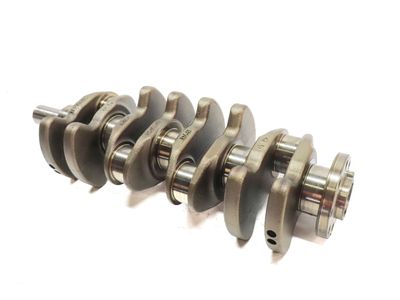
Mercedes-Benz C230 Crankshaft Part Number: 271-030-02-01
$1237.60 MSRP: $1740.00You Save: $502.40 (29%)
Mercedes-Benz C230 Crankshaft Part Number: 272-030-01-01
$821.10 MSRP: $1150.00You Save: $328.90 (29%)Ships in 1-2 Business Days
Mercedes-Benz C230 Crankshaft Part Number: 111-031-22-01
$1927.80 MSRP: $2700.00You Save: $772.20 (29%)Ships in 1-2 Business Days
Mercedes-Benz C230 Crankshaft
Every OEM part goes through strict quality checks. The checks keep you safe and make Crankshaft tough. They keep performance the same as your original parts. If your Mercedes-Benz C230 needs OEM parts, visit our catalog. You will find extensive genuine Mercedes-Benz C230 parts. We offer a wide selection at competitive prices, and with clear fit details and simple guidance, choosing what you need is effortless. Each of our parts has a manufacturer's warranty. You will like our simple return policy. We pack and ship fast, and you get your order quickly. Shopping here feels easy and enjoyable.
Mercedes-Benz C230 Crankshaft Parts and Q&A
- Q:How is the crankshaft removed and installed on Mercedes-Benz C230?A:A crankshaft may not be removed until after the engine itself is removed out of the car, and the flywheel, crankshaft pulley, oil pan, and piston assemblies are all removed. Measure crankshaft endplay with dial indicator installed in horizontal alignment with crankshaft, before removal. Raise the crankshaft at the rear, zero the incidence and raise it at the front to test the indicator, which should be about 0.003 to 0.010 inch. In the event that a dial indicator is not available, clearance may be determined by use of feeler gauges. Sharpen the main bearing overcap bolt(s) slowly then loosen them; pull the caps off very carefully, tapping with a soft hammer, being careful not to drop the bearing inserts. With as much caution as possible, remove the crankshaft, hopefully with help and replace the main bearing caps with the arrows toward the front. To install the engine, check the cleanliness and look of the engine block and the crankshaft. Place the block in the inverted position and take off main bearing cap and wash the surfaces of the bearing. Install new upper main bearings in the block with the holes of oils aligning and install some lower inserts in the caps. Measure the oil clearance with Plastigage and the oil clearance must be between 0.0015 and 0.0023 inch. When there is an error in finding the clearance, ensure that the area is clear, and use alternative bearing sizes where applicable. Once all traces of Plastigage have been removed applying a greasy sheen in the bearing surfaces and faces of the thrust is recommended and the crankshaft lifted back into position. Install main bearing caps with clean oil on the bolt threads and tighten to required torque. Check crankshaft endplay again and verify that crankshaft turns with little torque. Install the new rear main oil seal lastly.
Related Mercedes-Benz C230 Parts
 Mercedes-Benz C230 Camshaft
 Mercedes-Benz C230 Cylinder Head
 Mercedes-Benz C230 Cylinder Head Gasket
 Mercedes-Benz C230 Piston
 Mercedes-Benz C230 Rod Bearing
 Mercedes-Benz C230 Timing Chain
 Mercedes-Benz C230 Timing Chain Guide
 Mercedes-Benz C230 Timing Chain Tensioner
 Mercedes-Benz C230 Valve Cover
 Mercedes-Benz C230 Valve Guide
 Mercedes-Benz C230 Valve Spring Retainer
 Mercedes-Benz C230 Variable Timing Sprocket