×
- Hello
- Login or Register
- Quick Links
- Live Chat
- Track Order
- Parts Availability
- RMA
- Help Center
- Contact Us
- Shop for
- Mercedes-Benz Parts

My Garage
My Account
Cart
Genuine Mercedes-Benz C320 Drive Belt
Serpentine Belt- Select Vehicle by Model
- Select Vehicle by VIN
Select Vehicle by Model
orMake
Model
Year
Select Vehicle by VIN
For the most accurate results, select vehicle by your VIN (Vehicle Identification Number).
2 Drive Belts found
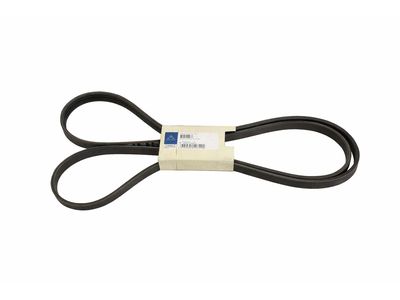
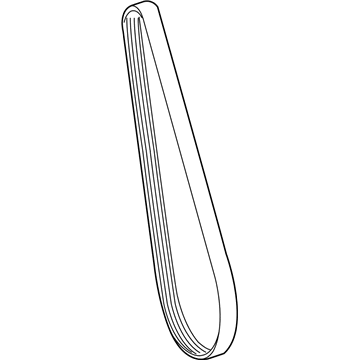
Mercedes-Benz C320 Serpentine Belt Part Number: 011-997-97-92
$45.60 MSRP: $64.00You Save: $18.40 (29%)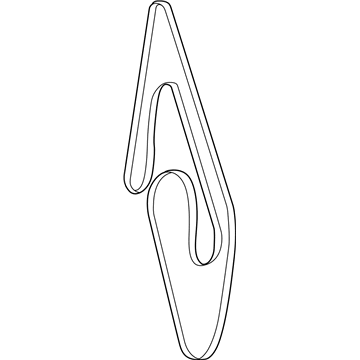
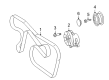
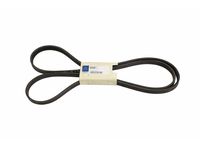
Mercedes-Benz C320 Serpentine Belt Part Number: 014-997-71-92
$48.00 MSRP: $67.00You Save: $19.00 (29%)
Mercedes-Benz C320 Drive Belt
Every OEM part goes through strict quality checks. The checks keep you safe and make Drive Belt tough. They keep performance the same as your original parts. If your Mercedes-Benz C320 needs OEM parts, visit our catalog. You will find extensive genuine Mercedes-Benz C320 parts. We offer a wide selection at competitive prices, and with clear fit details and simple guidance, choosing what you need is effortless. Each of our parts has a manufacturer's warranty. You will like our simple return policy. We pack and ship fast, and you get your order quickly. Shopping here feels easy and enjoyable.
Mercedes-Benz C320 Drive Belt Parts and Q&A
- Q:What is the role and maintenance of the drive belt on Mercedes-Benz C320?A:Very important in the functioning of the vehicle, and its components, the drivebelt is found at the front of the engine, yet, over time, it is prone to failure, which in turn may create major problems with the functioning of the engine which is why the drivebelt should be checked and adjusted quite often. This class of vehicle has one self correcting serpentine drivebelt which drives all its accessory parts (such as the alternator, power steering pump, water pump, air conditioning compressor, etc) which allow it to move. First to inspect the drivebelt, be sure engine is off, open hood, inspect belt there: cracks, separation, fraying and glazing on both sides, twist it. The amount of ribs on the underside must be even in depth. The tensioner automatically manages the tension of the belt and does not have to be adjusted manually. To replace it, turn the tensioner to the counterclockwise side to release the tension, and disassemble the belt in the auxiliary components and disarm the tensioner. Install a new belt, and lay it over the pulleys, making sure the belt fits in the grooves, and then reconnect the battery. To replace the tensioner, firstly remove the drivebelt and then loosen the assembly components that held the tensioner to the engine and after that, carefully add the replacement tensioner by using the same steps in the order taken on reversing the action and use the mounting bolts to attaching the tensioner to the required amount of torque.
Related Mercedes-Benz C320 Parts
 Mercedes-Benz C320 A/C Idler Pulley
 Mercedes-Benz C320 Coolant Level Sensor
 Mercedes-Benz C320 Coolant Pipe
 Mercedes-Benz C320 Coolant Reservoir
 Mercedes-Benz C320 Coolant Reservoir Hose
 Mercedes-Benz C320 Oil Cooler Hose
 Mercedes-Benz C320 Radiator
 Mercedes-Benz C320 Radiator Cap
 Mercedes-Benz C320 Radiator fan
 Mercedes-Benz C320 Thermostat Gasket
 Mercedes-Benz C320 Timing Belt Idler Pulley
 Mercedes-Benz C320 Water Hose