×
- Hello
- Login or Register
- Quick Links
- Live Chat
- Track Order
- Parts Availability
- RMA
- Help Center
- Contact Us
- Shop for
- Mercedes-Benz Parts

My Garage
My Account
Cart
Genuine Mercedes-Benz C350 Water Pump
H2O Pump- Select Vehicle by Model
- Select Vehicle by VIN
Select Vehicle by Model
orMake
Model
Year
Select Vehicle by VIN
For the most accurate results, select vehicle by your VIN (Vehicle Identification Number).
4 Water Pumps found
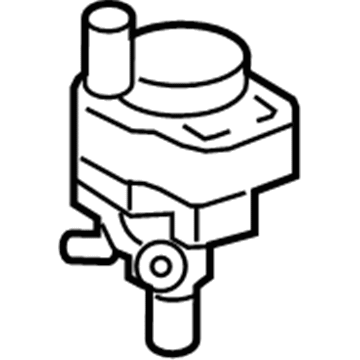
Mercedes-Benz C350 Auxiliary Pump Part Number: 204-835-03-64
$176.40 MSRP: $246.00You Save: $69.60 (29%)Ships in 1-2 Business Days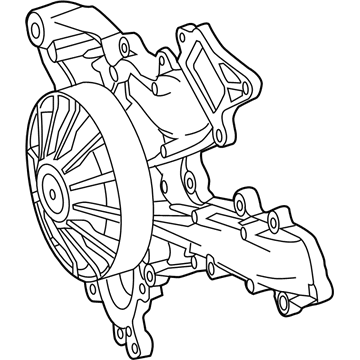
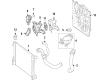
Mercedes-Benz C350 Water Pump Assembly Part Number: 276-200-13-01-87
$480.00 MSRP: $670.00You Save: $190.00 (29%)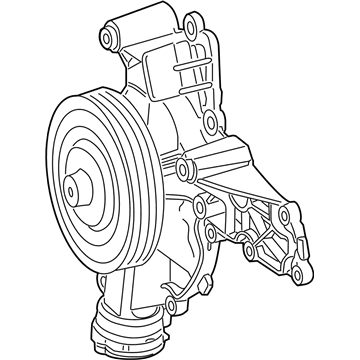
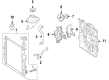
Mercedes-Benz C350 Water Pump Assembly Part Number: 272-200-09-01-80
$243.60 MSRP: $340.00You Save: $96.40 (29%)Ships in 1-2 Business Days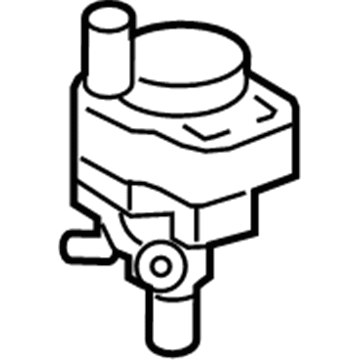
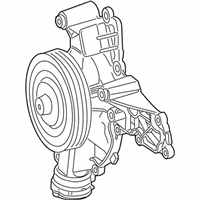
Mercedes-Benz C350 Auxiliary Pump Part Number: 204-835-02-64
$141.60 MSRP: $197.00You Save: $55.40 (29%)Ships in 1-2 Business Days
Mercedes-Benz C350 Water Pump
Every OEM part goes through strict quality checks. The checks keep you safe and make Water Pump tough. They keep performance the same as your original parts. If your Mercedes-Benz C350 needs OEM parts, visit our catalog. You will find extensive genuine Mercedes-Benz C350 parts. We offer a wide selection at competitive prices, and with clear fit details and simple guidance, choosing what you need is effortless. Each of our parts has a manufacturer's warranty. You will like our simple return policy. We pack and ship fast, and you get your order quickly. Shopping here feels easy and enjoyable.
Mercedes-Benz C350 Water Pump Parts and Q&A
- Q:How to check and replace a water pump on Mercedes-Benz C350?A:When the water pump fails it is possible to cause severe engine damage because the pump overheats and there are two ways to test the water pump outside the engine. In case of fault with the pump then the pump needs to be replaced with new or refurbished pump. The water pumps have weep holes, which leak coolant when the pump seal breaks and there is a howling noisy sound that might be signalling failure of the bearings. Weakness in a shaft, properly check by relieving the tension on the serpentine belt and rocking the water pump pulley, but the drivebelt may slip to produce a squealing, but this is not movement of the bearing. A pump that does not have telltale signs of disfunction such as noise or dripping still may require replacement; corrosion on the impeller fins may interfere with cooling performance. To replace replace the negative battery terminal, air cleaner housing, and, where available, the cooling fan and engine shock absorber. Drain engine coolant, loosen bolts of water pump pulley without removing, and then loosen drivebelt. Just disconnect the pulley and coolant hoses, unbolt the water pump to the engine and inspect it to make sure that there is no corrosion or missing fins of impeller. With the newer V6 engines, coolant must be drained, remove the drivebelt and the trim covers should be peeled off the timing belt idler pulleys before loosening the pulleys. Un-connect the wiring harness and the coolant hose and loosen the pump bolts and remove. Clean the bolt holes and engine pistons, check new pump suits the old, and strip away all old sealant in gaskets. Check the mating surfaces, and, where required, wash the O-ring grooves of the new O-rings. Install the new pump, screw the bolt piece finger tight, use RTV sealant, bolts should be tightened in batches without tightening them too much. Install all components that have been removed, leave the sealant to dry at least an hour, refill and bleed the cooling system, then run the engine to verify that nothing is leaking and it is functioning properly.
Related Mercedes-Benz C350 Parts
 Mercedes-Benz C350 Coolant Pipe Seal
 Mercedes-Benz C350 Coolant Reservoir
 Mercedes-Benz C350 Coolant Reservoir Cap
 Mercedes-Benz C350 Coolant Reservoir Hose
 Mercedes-Benz C350 Cooling Fan Assembly
 Mercedes-Benz C350 Cooling Hose
 Mercedes-Benz C350 Oil Cooler Hose
 Mercedes-Benz C350 Radiator
 Mercedes-Benz C350 Radiator Cap
 Mercedes-Benz C350 Thermostat
 Mercedes-Benz C350 Thermostat Gasket
 Mercedes-Benz C350 Water Pump Gasket