×
- Hello
- Login or Register
- Quick Links
- Live Chat
- Track Order
- Parts Availability
- RMA
- Help Center
- Contact Us
- Shop for
- Mercedes-Benz Parts

My Garage
My Account
Cart
Genuine Mercedes-Benz Clutch Master Cylinder
- Select Vehicle by Model
- Select Vehicle by VIN
Select Vehicle by Model
orMake
Model
Year
Select Vehicle by VIN
For the most accurate results, select vehicle by your VIN (Vehicle Identification Number).
5 Clutch Master Cylinders found
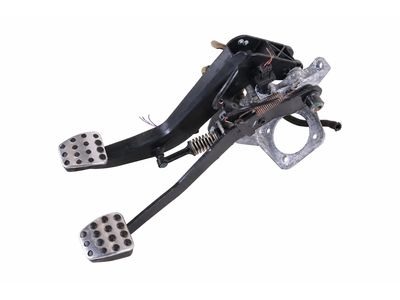
Mercedes-Benz Master Cylinder Part Number: 202-290-01-12
$80.40 MSRP: $112.00You Save: $31.60 (29%)Ships in 1-2 Business DaysProduct Specifications- Other Name: Clutch Master Cylinder
- Replaces: 001-295-68-06

Mercedes-Benz Master Cylinder Part Number: 204-290-00-12-64
$78.00 MSRP: $109.00You Save: $31.00 (29%)Ships in 1-2 Business DaysProduct Specifications- Other Name: Cylinder
- Replaces: 204-290-00-12
Mercedes-Benz Master Cylinder Part Number: 203-290-02-12-64
$103.20 MSRP: $144.00You Save: $40.80 (29%)Ships in 1-2 Business DaysProduct Specifications- Other Name: Cylinder
- Replaces: 203-290-02-12, 203-290-01-12
Mercedes-Benz Master Cylinder Part Number: 172-290-02-12
$108.00 MSRP: $150.00You Save: $42.00 (28%)Ships in 1-2 Business DaysProduct Specifications- Other Name: Clutch Master Cylinder
Mercedes-Benz HYDRAULIC UNIT Part Number: 209-550-00-12
$2124.00 MSRP: $2950.00You Save: $826.00 (28%)Ships in 1-2 Business Days
Mercedes-Benz Clutch Master Cylinder
The Mercedes-Benz Clutch Master Cylinder converts a simple pedal press into smooth hydraulic action that separates the clutch quickly and allows gears to slide in without grating to provide drivers with confident control in all traffic situations. Founded in 1926, Mercedes-Benz combines its rich racing legacy and constant innovation, from voice-controlled MBUX infotainment to the versatile MB.OS software platform, which brings together driver assist, battery management, and artificial intelligence. Its lineup of cars, SUVs, and commercial vehicles combines elegant design with energy-recovering hybrid and electric drivetrains, in a way that proves luxury and sustainability can indeed travel together. Drivers enjoy quiet cabins, advanced safety suites, and the seamless digital features that make every journey special. At the heart of that refined driving experience, the Clutch Master Cylinder is loaded with a compact piston, high-grade hydraulic fluid, and tight sealing which transmits the pedal force directly to the slave cylinder with minimal loss to ensure exact clutch disengagement and the same engagement points. Because the system remains sealed, it protects against moisture and corrosion to preserve firm pedal feel over time. A healthy unit avoids gear clash and wear and tear on transmission parts and helps to maintain the responsive character that is expected in the brand lineup, keeping every shift as sleek as the badge on the hood.
Genuine parts are built to last. These components go through tough factory testing, so you can trust they will hold up over time. At MBPartsGiant.com, finding Mercedes-Benz Clutch Master Cylinder is quick and simple. We keep a massive inventory in stock with low prices that are hard to beat. Just order online to get a real manufacturer's warranty with every single part. Returns won't be a headache either, thanks to our no-hassle policy. If you are in a rush, we provide expedited shipping to get your vehicle back on the road. Don't wait. Finish your repairs today and keep your Mercedes-Benz running like new. Explore the catalog now.
Mercedes-Benz Clutch Master Cylinder Parts and Q&A
- Q:How to remove, overhaul, and refit the clutch master cylinder on Mercedes-Benz 190E?A:T1087, The clutch master cylinder is within the passenger compartment area, mounted on the brake pedal mounting bracket, but supplied by the brake fluid reservoir, through a flexible rubber extension of flex hose ended into the silencer cup of the engine block. Start with the deconnection of the battery negative lead and the lower facia trim panel of the driver side to gain access to the master cylinder and pedal assembly. Avoid spilling of fluids below the pedals by drawing the carpet aside and covering it. 1. To reduce the loss of fluid, siphon as much brake fluid as possible out of the reservoir with a clean syringe until the level of fluid is below the level of the supply pipe in the clutch master cylinder. Install an appropriate container that fits below the clutch master cylinder to avoid spilling any fluid and then from outside, undo the union of hydraulic pipe and drain out the pipe slowly, and seal both of the unities, because this will stop any dirt and any more fluid leaks. Unscrew the two nuts attaching the master cylinder to the region over which the pedal fits, elevate the clutch pedal and remove the clutch assist spring seat, spring, and washer attached to the pushrod. A screwdriver or pliers removes the circlip binding the end of the master cylinder pushrod to the pedal, and you pull the fluid hose off the master cylinder and pry out the assembly in the footwell. To overhaul, push the dust cover on the push rod out of the cylinder body, so as to access the circlip, remove the circlip with circlip pliers only and so as to take off the retaining washer. Lift out of the cylinder bore the pushrod and piston assembly (then the piston spring), end cap and check valve off the piston. Cleanse all parts using clean hydraulic fluid and look at them to check, whether they have scoring or wear ridges; in case of the latter, change the entire master cylinder. Should components be satisfactory, then get another set of rubber seals, take those off the piston, then take good ones, put them on and grease them using clean hydraulic fluid. Apply lubrication to the cylinder bore, piston, load the spring into the bore, install the check valve and end cap onto the piston and carefully insert the piston into the cylinder bore. Slide the dust cover, retaining washer over the pushrod, with the circlip, making sure it fits into place properly and then slide the retaining washer final into place. Refitting: This is a reversal of the procedure used to remove it, performing the operation with the washer, clutch assist spring, and spring seat on the master pedal pushrod, pushing it into the guide on the pedal bracket with the violation of it, the pushrod eye being positioned with the flanged end to the pedal. Refitting the lower facia panel of the driver side should ONLY be checked after pushrod adjustment. When finished, bleed clutch hydraulic system and test pushrod adjustment. When adjusting the pushrod, engage the parking brake, lift the front part of the car using a jack and place it firmly on axle stands. Clean off half the fluid in the brake fluid reservoir with a clean syringe, put a few thin metal strips between upper chuck pedal stop and rubber buffer and clean up any dirt around the slave cylinder bleed screw. Install a spanner and tube on the bleed screw and line the tube with pressure-bleeding equipment, and slacken the bleed screw. In the driver footwell, loosen the slack, clamp screw of the eccentric pushrod adjusting screw in the top of the clutch pedal, having an auxiliary note the fluid level in the reservoir, and fiddle with the eccentric adjusting screw until the fluid level begins to rise, and then under the footwell gradually radius the unscrewed eccentric adjusting screw until the fluid level begins to stabilize. Fix the adjusted screw into position by tightening the clamp screw, remove the metal strips and make sure that fluid level increases. Tighten bleed screw, remove the pressure-bleeding equipment and hose then re-fit bleed screw dust cap. Fills up the reservoir water tank to the highest point, examines the functionality of the mechanism behind the clutch during engine running time and lastly, attaches the lower facia panel on the driver's side.
- Q:How to remove and install the clutch master cylinder on Mercedes-Benz C230?A:In order to disconnect the clutch master cylinder, the first step is to disconnect the cable with the negative terminal of the battery. Following this, take away the driver side knee bolster and disconnect the electrical connector with the brake light switch. Next remove the clip to which the hydraulic line is fastened to the master cylinder of the clutch, with rags on hand in case of leakage, and seal with a plug. Then take out the nuts that hold the pedal assembly to the firewall and the pedal assembly, and pull out the hydraulic line out of the clutch master cylinder and plug it to prevent leaks. Lift the clip that holds the pivot pin of the clutch peddle and withdraw the pin. Lastly, remove the pins and hold the clutch master cylinder in place to the pedal assembly and then remove the master cylinder. To install, have to be done in the reverse sequence of removal and in case of extremely low fluid level fill the brake master cylinder reservoir with the recommended fluid, but care should be taken not to fill it completely because as the clutch components wear, the fluid will rise.
Related Mercedes-Benz Parts
 Mercedes-Benz Valve Body
 Mercedes-Benz Torque Converter
 Mercedes-Benz Automatic Transmission Filter
 Mercedes-Benz Automatic Transmission Shift Levers
 Mercedes-Benz Clutch Hydraulic Lines
 Mercedes-Benz Clutch Master Repair Kit
 Mercedes-Benz Clutch Slave Cylinder
 Mercedes-Benz Clutch Slave Repair Kit
 Mercedes-Benz Manual Transmission Extension Housing Seal
 Mercedes-Benz Pilot Bearing
 Mercedes-Benz Shift Cable
 Mercedes-Benz Transmission Assembly
Browse by Model
190D Clutch Master Cylinder 190E Clutch Master Cylinder 260E Clutch Master Cylinder 300E Clutch Master Cylinder 300SL Clutch Master Cylinder C230 Clutch Master Cylinder C240 Clutch Master Cylinder C300 Clutch Master Cylinder C320 Clutch Master Cylinder C350 Clutch Master Cylinder SLK230 Clutch Master Cylinder SLK250 Clutch Master Cylinder SLK280 Clutch Master Cylinder SLK300 Clutch Master Cylinder SLK320 Clutch Master Cylinder SLK350 Clutch Master Cylinder