×
- Hello
- Login or Register
- Quick Links
- Live Chat
- Track Order
- Parts Availability
- RMA
- Help Center
- Contact Us
- Shop for
- Mercedes-Benz Parts

My Garage
My Account
Cart
Genuine 1993 Mercedes-Benz 190E Wheel Bearing
Hub Bearing- Select Vehicle by Model
- Select Vehicle by VIN
Select Vehicle by Model
orMake
Model
Year
Select Vehicle by VIN
For the most accurate results, select vehicle by your VIN (Vehicle Identification Number).
3 Wheel Bearings found
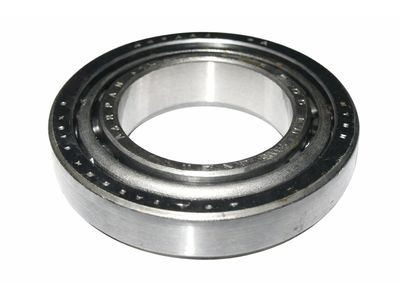
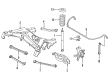
1993 Mercedes-Benz 190E Front Wheel Bearing Part Number: 000-981-58-05
$23.18 MSRP: $32.00You Save: $8.82 (28%)Ships in 1-2 Business DaysProduct Specifications- Other Name: Tapered Roller Bearing
- Position: Front
- Replaces: 107-330-00-51, 201-330-02-51
- Condition: New
- Fitment Type: Direct Replacement
- SKU: 000-981-58-05
- Warranty: This genuine part is guaranteed by Mercedes-Benz's factory warranty.
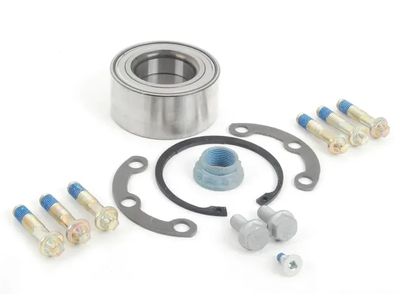

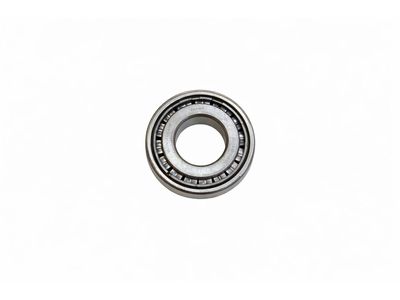
1993 Mercedes-Benz 190E Rear Wheel Bearing Part Number: 202-980-00-16
$145.20 MSRP: $202.00You Save: $56.80 (29%)Ships in 1-2 Business DaysProduct Specifications- Other Name: Dbl Row Ball Bearing (a); Bearing Assembly, Repair Kit
- Position: Rear
- Replaced by: 140-981-04-27
- Item Weight: 1.70 Pounds
- Condition: New
- Fitment Type: Direct Replacement
- SKU: 202-980-00-16
- Warranty: This genuine part is guaranteed by Mercedes-Benz's factory warranty.
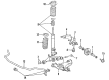
1993 Mercedes-Benz 190E Front Wheel Bearing Part Number: 006-981-16-05
$24.40 MSRP: $33.50You Save: $9.10 (28%)Ships in 1-2 Business DaysProduct Specifications- Other Name: Tapered Roller Bearing; Wheel Bearing
- Position: Front
- Condition: New
- Fitment Type: Direct Replacement
- SKU: 006-981-16-05
- Warranty: This genuine part is guaranteed by Mercedes-Benz's factory warranty.
1993 Mercedes-Benz 190E Wheel Bearing Parts Q&A
- Q: How to check and adjust the front wheel bearing endfloat on 1993 Mercedes-Benz 190E?A: Firmly apply the parking brake, then jack up the front of the vehicle and support it on axle stands before removing the relevant front roadwheel. Using spacers, refit two of the wheel bolts on opposite sides and tighten them securely. Tap the grease cap out from the center of the hub, renewing it if damaged, and remove the radio interference spring from the center of the axle shaft if necessary. Carefully lever the brake pads clear of the disc with a large, flat-bladed screwdriver to prevent interference with the wheel bearing free play. Mount the dial gauge onto the front face of the hub/disc, positioning the gauge probe in contact with the end of the axle shaft, zero the gauge scale, then grasp the disc at two opposite points and pull it in and out, noting the reading obtained and checking that the wheel bearing endfloat is within specified limits. If adjustments are needed, proceed accordingly. If all is well, remove the dial gauge, refit the radio interference spring if fitted, tap the grease cap into position, refit the roadwheel, lower the vehicle, and tighten the wheel bolts to the specified torque. Depress the brake pedal several times until normal, non-assisted pedal pressure returns before taking the vehicle on the road. If adjustments are necessary, first carry out the initial operations, then slacken the wheel bearing retaining nut clamp bolt until the retaining nut is free to turn. Rotate the brake disc and lightly tighten the wheel bearing nut until the disc becomes difficult to turn, then slacken the wheel bearing nut by approximately one-third of a turn and strike the end of the hub spindle with a soft-faced mallet to relieve tension on the bearing. Check the wheel bearing endfloat and adjust as necessary by rotating the wheel bearing nut, then tighten the wheel bearing nut clamp bolt to the specified torque. Recheck the bearing endfloat and refit all disturbed components.
Related 1993 Mercedes-Benz 190E Parts
 1993 Mercedes-Benz 190E Intake Manifold Gasket
 1993 Mercedes-Benz 190E Intake Valve
 1993 Mercedes-Benz 190E Power Seat Gear
 1993 Mercedes-Benz 190E Steering Knuckle
 1993 Mercedes-Benz 190E Timing Cover