×
- Hello
- Login or Register
- Quick Links
- Live Chat
- Track Order
- Parts Availability
- RMA
- Help Center
- Contact Us
- Shop for
- Mercedes-Benz Parts

My Garage
My Account
Cart
Genuine Mercedes-Benz 190E Drive Belt
Serpentine Belt- Select Vehicle by Model
- Select Vehicle by VIN
Select Vehicle by Model
orMake
Model
Year
Select Vehicle by VIN
For the most accurate results, select vehicle by your VIN (Vehicle Identification Number).
2 Drive Belts found
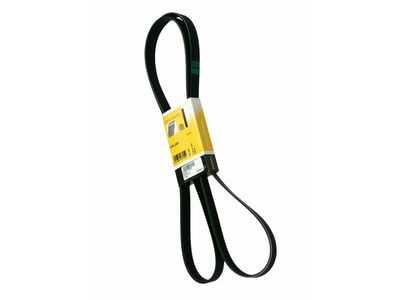
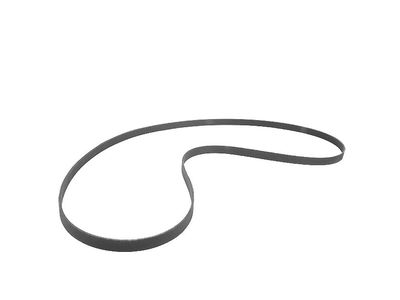
Mercedes-Benz 190E Alternator Belt Part Number: 008-997-70-92-64
$47.40 MSRP: $66.00You Save: $18.60 (29%)Ships in 1-2 Business Days
Mercedes-Benz 190E Serpentine Belt Part Number: 008-997-73-92-64
Mercedes-Benz 190E Drive Belt
Every OEM part goes through strict quality checks. The checks keep you safe and make Drive Belt tough. They keep performance the same as your original parts. If your Mercedes-Benz 190E needs OEM parts, visit our catalog. You will find extensive genuine Mercedes-Benz 190E parts. We offer a wide selection at competitive prices, and with clear fit details and simple guidance, choosing what you need is effortless. Each of our parts has a manufacturer's warranty. You will like our simple return policy. We pack and ship fast, and you get your order quickly. Shopping here feels easy and enjoyable.
Mercedes-Benz 190E Drive Belt Parts and Q&A
- Q:How should drive belts be inspected, removed, and replaced on Mercedes-Benz 190E?A:Drivebelts are also the parts that must be inspected periodically because they can easily go out of order with time. The quantity of belts depends on the car accessories, driving parts of the automobile like the coolant pump, the power steering pump, air conditioning compressor, air injection pump in addition to the alternatives like alternator, and the air conditioning or cooling system. The viscous cooling fan and cowl can be taken off so that it can be easily reached during inspection. With the engine off, test the belts and see whether there are any cracks, separation, fraying and glazing and check both sides by bending the belt. In 4 pistol engines, (where there was only 1 drivebelt), loosen the tensioner bolt, loosen the adjuster nut and take off the ceramic blades and shroud of the cooling fan, foo-ooliantly. Attach the new belt in the order noted: weighing the tensioner pulley first, keeping it in position, and pulling it at the required tension as per the requirements of the individual model. In models where the scale is graduated, position the tensioner pointer with the correct graduation depending on the presence or absence of power steering in the vehicle. In persons who have only one thick mark, bring into coincidence the pointer and the thick line on the scale. Some 4-cylinder engines (that have multiple drivebelts) might need to have the under-shield of the engine removed in order to access it. Change alternators and power steering pump by replacing the belts in the device and settling them at right tension. In the case of air conditioning compressor belts, dismount the correct drivebelts, make the compressor adjust and attached the substitute belt with proper tension. For 6-cylinder engines, the same process is involved, starting with the removal of the cooling fan blades and shroud, then there is removal of the tensioner and fitting the new belt, making sure that it fits into position and is then tensioned within the model directions.
- Q:How to check and renew drive belts in the diesel engine on Mercedes-Benz 190E?A:Drivebelts are important parts, which need to be checked periodically because of the chances of failing with time. Depending on the accessories of the vehicle, the number of belts installed depends on this as they are used to drive the coolant pump, alternator, power steering/suspension hydraulic pump, air conditioning compressor and air injection pump. The viscous cooling fan and cowl should be removed, and it is better that the viscous cooling fan not be attached to them. When the engine is switched off, you have to remove the belts and check them against cracks, separation of plies, fraying, and glazing, do it along two sides, twist the belt to examine the underside and turn the engine to do it. To replace, begin by loosening the screws of the tensioner lever nut by removing the cooling fan blades and shroud, and removing the screws of the nut. Press the tensioner lever in an anti-clockwise direction using an appropriate lever to release the tensioner spring through pivoting of the lever clockwise. Take away the belt of the pulleys as the idler pulley is pushed back. The procedure involves positioning a new belt by lifting the idler pulley and then keeping it in the same position, creating a loop in the belt with the drive ribs facing out and then just slipping it between the coolant pump and the crankshaft pulleys. Slide the belt on to the ice cream pump pulley and rotate it in anti-clockwise direction until it glides over to idler pulley. Lay the belt over the idler and crankshaft pulleys then position it over the other remaining pulleys in sequence. Install the idler pulley release, force the tensioner lever to align the lever bolt and take notice of the position of the tensioner spring to make sure that it is properly positioned and then reinstall the nut and tighten it to the desired torque. Lastly, re-fit the cooling fan blades and shroud and radiator where appropriate.
Related Mercedes-Benz 190E Parts
 Mercedes-Benz 190E Radiator
 Mercedes-Benz 190E Thermostat
 Mercedes-Benz 190E Coolant Reservoir Cap
 Mercedes-Benz 190E Coolant Reservoir Hose
 Mercedes-Benz 190E Cooling Hose
 Mercedes-Benz 190E Engine Oil Cooler
 Mercedes-Benz 190E Fan Clutch
 Mercedes-Benz 190E Oil Cooler Hose
 Mercedes-Benz 190E Radiator Cap
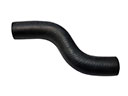 Mercedes-Benz 190E Water Hose
 Mercedes-Benz 190E Water Pump
 Mercedes-Benz 190E Water Pump Pulley