×
- Hello
- Login or Register
- Quick Links
- Live Chat
- Track Order
- Parts Availability
- RMA
- Help Center
- Contact Us
- Shop for
- Mercedes-Benz Parts

My Garage
My Account
Cart
Genuine Mercedes-Benz 300TD Brake Master Cylinder
- Select Vehicle by Model
- Select Vehicle by VIN
Select Vehicle by Model
orMake
Model
Year
Select Vehicle by VIN
For the most accurate results, select vehicle by your VIN (Vehicle Identification Number).
1 Brake Master Cylinder found
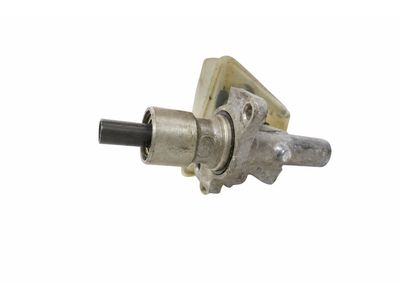
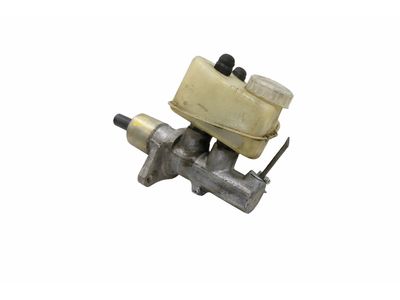
Mercedes-Benz 300TD Master Cylinder Part Number: 004-430-39-01
Mercedes-Benz 300TD Brake Master Cylinder
Every OEM part goes through strict quality checks. The checks keep you safe and make Brake Master Cylinder tough. They keep performance the same as your original parts. If your Mercedes-Benz 300TD needs OEM parts, visit our catalog. You will find extensive genuine Mercedes-Benz 300TD parts. We offer a wide selection at competitive prices, and with clear fit details and simple guidance, choosing what you need is effortless. Each of our parts has a manufacturer's warranty. You will like our simple return policy. We pack and ship fast, and you get your order quickly. Shopping here feels easy and enjoyable.
Mercedes-Benz 300TD Brake Master Cylinder Parts and Q&A
- Q:How to the remove, overhaul, bench bleeding, and install of a Brake Master Cylinder on Mercedes-Benz 300TD?A:To disassemble the master cylinder, block out the fender and engine compartment areas to guard them against spills of brake fluid, and lay the master cylinder onto some rags or newspapers before disconnecting and plugging in the brake line connections. Disconnect fluid level sensor connector(s) and the wiring on the pressure differential warning switch, where present. In the case of manual transmission models, detach the hydraulic hose of the clutch with the reservoir, detach the two mounting nuts and pull the master cylinder out of the vacuum booster unit. To do an overhaul, purchase a rebuild kit and arm yourself with a plastic sleeve assembly tool to make the job of fitting the pistons much easier. Wipe the master cylinder outer, extract the sealing ring and pull off the fluid reservoir and sealing plugs. Take the stop screw and seal out by partially depressing the main piston, then withdraw the main piston and all parts. To take out the secondary piston and spring assembly, unscrew the pressure differential warning switch, make sure to clean all the bits and analyze their wear. Replace new seals on the pistons, apply clean brake fluid on the bore and submerge the piston assemblies in brake fluid. When and only when an assembly sleeve tool is used, the pistons are fitted into the sleeve and it is placed in the bore; otherwise, the pistons should be carefully inserted. Fit the secondary sleeves, vacuum sleeves, interring ring and stop washers in place using a circlip screwdriver. Close stop screw with new seal, clean strainer and put back reservoir. Install the pressure smart warning switch wiring, fit and screw the oil lines and screw on the low fluid smart wiring. In the case of bench bleeding the master cylinder is first mounted in a vise, brake line outlets are filled with threaded plugs, the reservoirs filled with brake fluid followed by pushing out the piston assembly changing the plugs to avoid air reentry. Repeat until all brake fluid has drained out and cover the hole with a finger can be another option. Installation will require the installation of a new O-ring on the vacuum booster unit, master cylinder placement and the nuts must be tightened to the recommended torque. Install the fluid plumbing and electrical connections, verify the fluid level sensor, bleed the gear-box hydraulic system in a mechanical transmission model, and reload the warning indicator of pressure difference if fitted and bleed the brakes in all.
Related Mercedes-Benz 300TD Parts
 Mercedes-Benz 300TD ABS Sensor
 Mercedes-Benz 300TD Brake Booster Vacuum Hose
 Mercedes-Benz 300TD Brake Caliper
 Mercedes-Benz 300TD Brake Caliper Repair Kit
 Mercedes-Benz 300TD Brake Dust Shields
 Mercedes-Benz 300TD Brake Line
 Mercedes-Benz 300TD Brake Master Cylinder Repair Kit
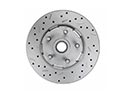 Mercedes-Benz 300TD Brake Rotor
 Mercedes-Benz 300TD Hydraulic Hose
 Mercedes-Benz 300TD Parking Brake Cable
 Mercedes-Benz 300TD Trailing Arm
 Mercedes-Benz 300TD Wheel Hub