×
- Hello
- Login or Register
- Quick Links
- Live Chat
- Track Order
- Parts Availability
- RMA
- Help Center
- Contact Us
- Shop for
- Mercedes-Benz Parts

My Garage
My Account
Cart
Genuine Mercedes-Benz C230 Brake Shoe Set
Brake Shoe- Select Vehicle by Model
- Select Vehicle by VIN
Select Vehicle by Model
orMake
Model
Year
Select Vehicle by VIN
For the most accurate results, select vehicle by your VIN (Vehicle Identification Number).
2 Brake Shoe Sets found
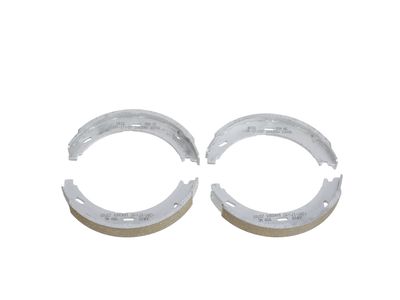
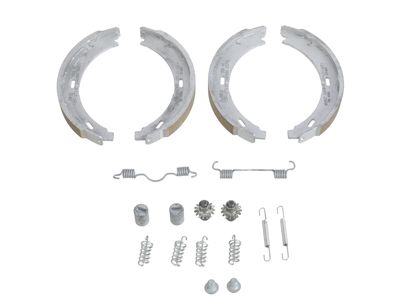
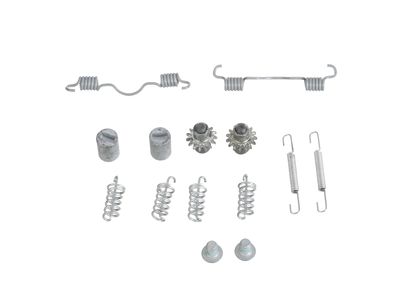
Mercedes-Benz C230 Shoes Part Number: 203-420-01-20
$78.00 MSRP: $109.00You Save: $31.00 (29%)Ships in 1-2 Business Days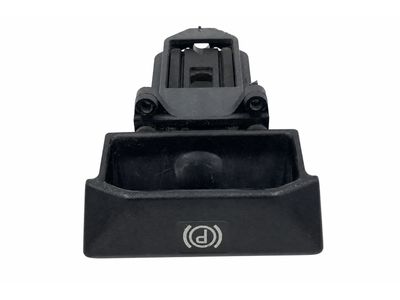
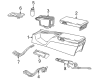
Mercedes-Benz C230 Shoes Part Number: 124-420-07-20
$23.79 MSRP: $32.50You Save: $8.71 (27%)Ships in 1-2 Business Days
Mercedes-Benz C230 Brake Shoe Set
Every OEM part goes through strict quality checks. The checks keep you safe and make Brake Shoe Set tough. They keep performance the same as your original parts. If your Mercedes-Benz C230 needs OEM parts, visit our catalog. You will find extensive genuine Mercedes-Benz C230 parts. We offer a wide selection at competitive prices, and with clear fit details and simple guidance, choosing what you need is effortless. Each of our parts has a manufacturer's warranty. You will like our simple return policy. We pack and ship fast, and you get your order quickly. Shopping here feels easy and enjoyable.
Mercedes-Benz C230 Brake Shoe Set Parts and Q&A
- Q: How to remove and replace the Brake Shoe Set for the parking brake on Mercedes-Benz C230?A:Wipe out the brake disc, spray the parking brake assembly with brake cleaner, placing a pan or rags below to make sure the runoff does not land on the floor, but do not use compressed air to clean the brake dust. Test the thickness of the parking brake shoe lining and compare. In case the minds: (2) the backing plate in knuckle has to be removed, (3), disconnect wash: from potasswan cable then loop up cable and release expanding lock. In the reinstallation, the retaining bolt must be tightened. Refer to the figures to follow the steps used to replace the brake shoes, including changing the star-wheel, stripping off springs and shoes, cleaning and greasing the backing plate and parts with high-temperature brake grease, and assembling the shoes and springs in a certain order. Install the brake disc and caliper and then change the shoes on the other rear wheel. Install the wheels after completing both sides with only four bolts per side, so that brake shoe clearance can be changed later. Adjust the parking brake shoe of each rear wheel, apply the parking brake and check that it is operating correctly, reregulating as required. It is recommended that you park the vehicle and tighten wheel bolts against the recommended torque, and then test the parking brake to ensure it is functioning correctly, and some times to break-in the parking brake. The new shoes should be broken in by opening the parking brake, running up to about 30 miles an hour, braking the parking brake two or three times with stops, maintaining the brake, letting it cool to at least 10 minutes and repeating that as needed. Lastly, test parking brake, clean components and inspect when after a break-in, the brake is not fully released and drags more towards one side.
Related Mercedes-Benz C230 Parts
 Mercedes-Benz C230 ABS Sensor
 Mercedes-Benz C230 Brake Booster
 Mercedes-Benz C230 Brake Caliper
 Mercedes-Benz C230 Brake Master Cylinder Repair Kit
 Mercedes-Benz C230 Brake Pad Sensor
 Mercedes-Benz C230 Brake Rotor
 Mercedes-Benz C230 Hydraulic Hose
 Mercedes-Benz C230 Parking Brake Cable
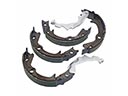 Mercedes-Benz C230 Parking Brake Shoes
 Mercedes-Benz C230 Speed Sensor
 Mercedes-Benz C230 Spindle Nut
 Mercedes-Benz C230 Yaw Sensor