×
- Hello
- Login or Register
- Quick Links
- Live Chat
- Track Order
- Parts Availability
- RMA
- Help Center
- Contact Us
- Shop for
- Mercedes-Benz Parts

My Garage
My Account
Cart
Genuine Mercedes-Benz C280 Exhaust Manifold
Engine Exhaust Manifold- Select Vehicle by Model
- Select Vehicle by VIN
Select Vehicle by Model
orMake
Model
Year
Select Vehicle by VIN
For the most accurate results, select vehicle by your VIN (Vehicle Identification Number).
6 Exhaust Manifolds found
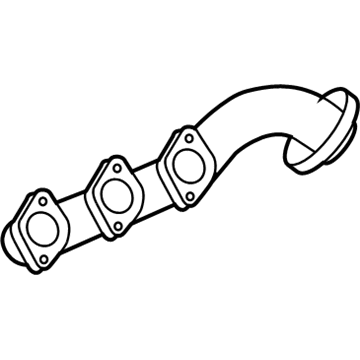
Mercedes-Benz C280 Exhaust Manifold Part Number: 112-140-32-09-80
$276.00 MSRP: $384.00You Save: $108.00 (29%)Ships in 1-2 Business Days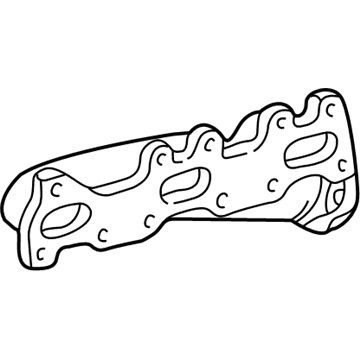
Mercedes-Benz C280 Exhaust Manifold Part Number: 104-142-59-01
$439.20 MSRP: $610.00You Save: $170.80 (28%)Ships in 1-2 Business Days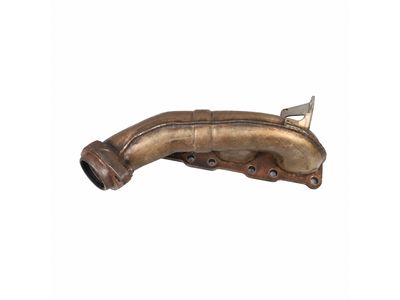
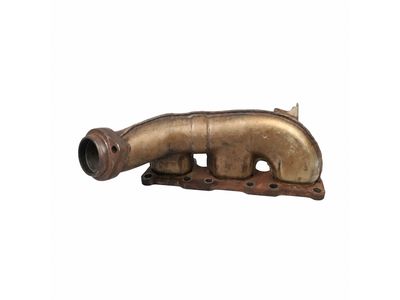
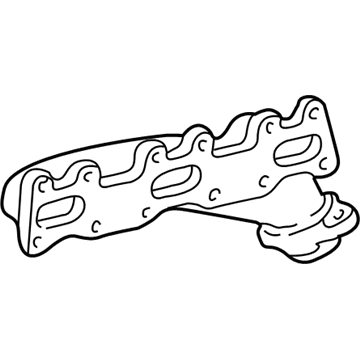
Mercedes-Benz C280 Exhaust Manifold Part Number: 104-142-69-01
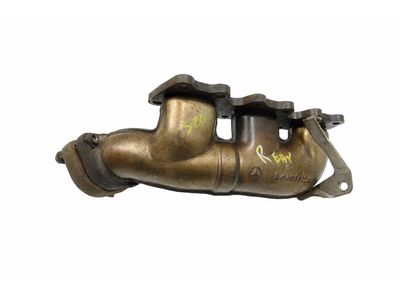
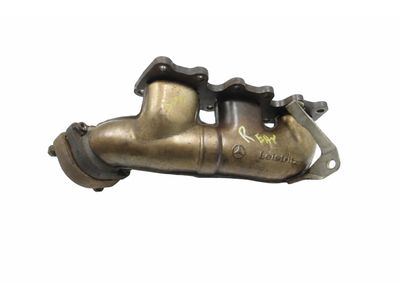
Mercedes-Benz C280 Exhaust Manifold Part Number: 104-142-68-01
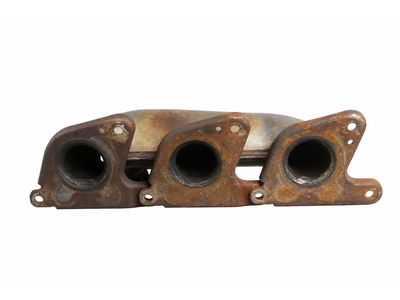
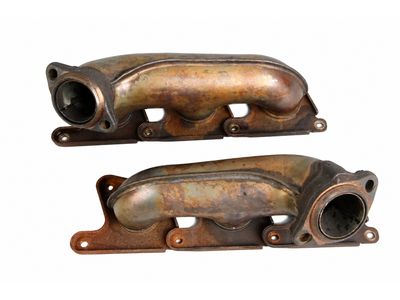
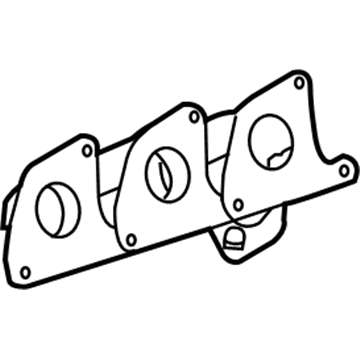
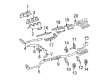
Mercedes-Benz C280 Exhaust Manifold Part Number: 272-140-01-09
Mercedes-Benz C280 Exhaust Manifold Part Number: 104-142-60-01
Mercedes-Benz C280 Exhaust Manifold
Every OEM part goes through strict quality checks. The checks keep you safe and make Exhaust Manifold tough. They keep performance the same as your original parts. If your Mercedes-Benz C280 needs OEM parts, visit our catalog. You will find extensive genuine Mercedes-Benz C280 parts. We offer a wide selection at competitive prices, and with clear fit details and simple guidance, choosing what you need is effortless. Each of our parts has a manufacturer's warranty. You will like our simple return policy. We pack and ship fast, and you get your order quickly. Shopping here feels easy and enjoyable.
Mercedes-Benz C280 Exhaust Manifold Parts and Q&A
- Q:How to remove and install the exhaust manifold in the Four-cylinder engine on Mercedes-Benz C280?A:Disconnect the cable from the negative terminal of the battery. Block the rear wheels, set the parking brake, raise the front of the vehicle, and support it securely on jackstands. Disconnect the downstream oxygen sensor connectors. Remove the engine lower splash shield. Unbolt the exhaust pipes at the exhaust manifolds. Lower the vehicle and, working in the engine compartment, disconnect the oxygen sensor's electrical connector. If equipped, remove the exhaust manifold heat shield mounting bolts and take off the heat shield. Remove the mounting bolts and detach the manifold from the Cylinder Head, ensuring to spray penetrating lubricant onto the bolts and threads before attempting removal. Clean the mating surfaces to eliminate all traces of old gasket material, then inspect the manifold for distortion and cracks, checking for warpage with a precision straightedge. If a feeler gauge thicker than 0.030-inch can be inserted between the straightedge and flange surface, take the manifold to an automotive machine shop for resurfacing. Place the exhaust manifold in position with a new gasket and install the mounting bolts finger tight, ensuring to identify the exhaust manifold gaskets by the correct cylinder designation and the position of the exhaust ports on the gasket. Starting in the middle and working out toward the ends, tighten the mounting bolts in several increments to the specified torque. Install the remaining components in the reverse order of removal. Start the engine and check for exhaust leaks between the manifold and cylinder head and between the manifold and exhaust pipe.
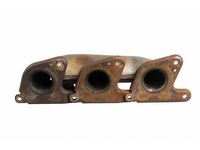
Related Mercedes-Benz C280 Parts
 Mercedes-Benz C280 Catalytic Converter
 Mercedes-Benz C280 Crankcase Breather Hose
 Mercedes-Benz C280 Exhaust Flange Gasket
 Mercedes-Benz C280 Exhaust Hanger
 Mercedes-Benz C280 Exhaust Heat Shield
 Mercedes-Benz C280 Exhaust Manifold Gasket
 Mercedes-Benz C280 Exhaust Pipe
 Mercedes-Benz C280 Exhaust Tip
 Mercedes-Benz C280 Muffler
 Mercedes-Benz C280 Muffler Strap
 Mercedes-Benz C280 Tail Pipe
 Mercedes-Benz C280 Vapor Canister Purge Solenoid