×
- Hello
- Login or Register
- Quick Links
- Live Chat
- Track Order
- Parts Availability
- RMA
- Help Center
- Contact Us
- Shop for
- Mercedes-Benz Parts

My Garage
My Account
Cart
Genuine Mercedes-Benz C280 Oil Pan
Oil Drain Pan- Select Vehicle by Model
- Select Vehicle by VIN
Select Vehicle by Model
orMake
Model
Year
Select Vehicle by VIN
For the most accurate results, select vehicle by your VIN (Vehicle Identification Number).
9 Oil Pans found
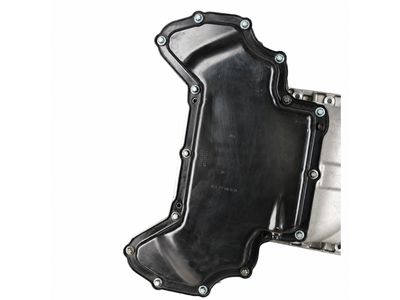
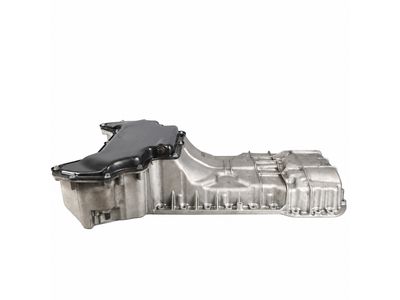

Mercedes-Benz C280 Lower Oil Pan Part Number: 272-010-01-28
$69.60 MSRP: $129.00You Save: $59.40 (47%)Ships in 1-2 Business Days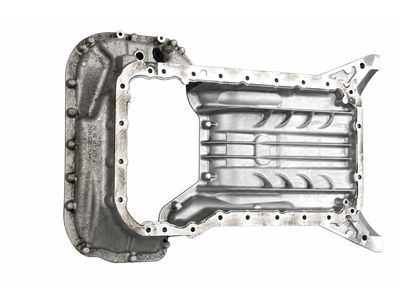
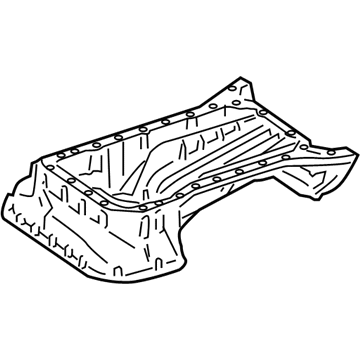
Mercedes-Benz C280 Oil Pan Part Number: 272-014-20-02
$205.20 MSRP: $380.00You Save: $174.80 (46%)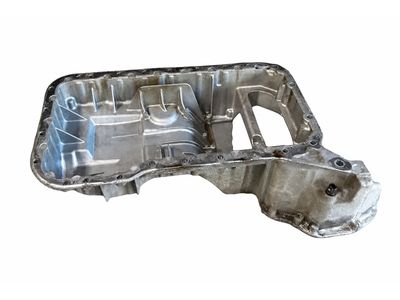
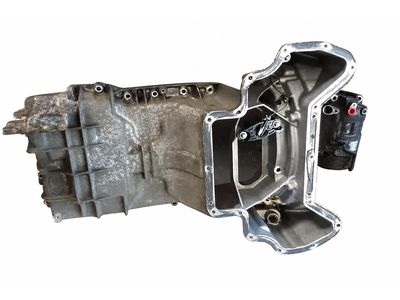
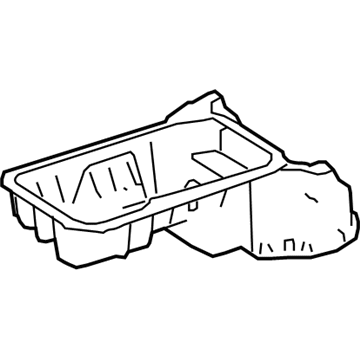
Mercedes-Benz C280 Oil Pan Part Number: 272-014-21-02
$298.80 MSRP: $555.00You Save: $256.20 (47%)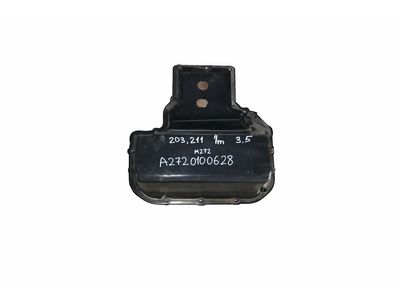
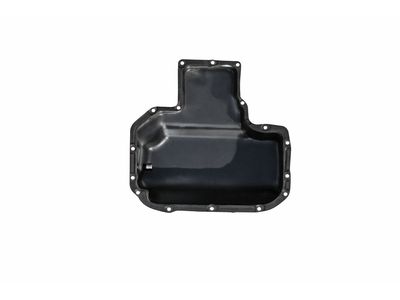

Mercedes-Benz C280 Oil Pan Part Number: 272-010-06-28
$109.20 MSRP: $152.00You Save: $42.80 (29%)Ships in 1-2 Business Days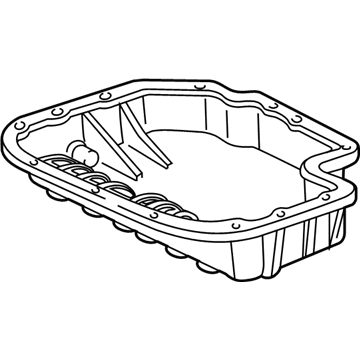
Mercedes-Benz C280 Lower Pan Part Number: 112-010-06-28
$97.20 MSRP: $135.00You Save: $37.80 (28%)Ships in 1-2 Business Days
Mercedes-Benz C280 Lower Pan Part Number: 112-010-03-28
$97.20 MSRP: $135.00You Save: $37.80 (28%)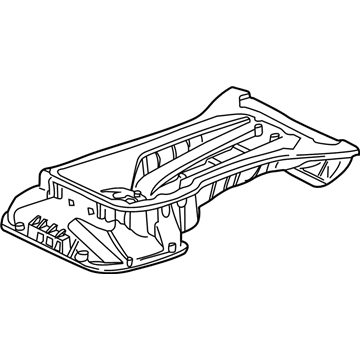
Mercedes-Benz C280 Upper Pan Part Number: 112-014-07-02
$236.40 MSRP: $330.00You Save: $93.60 (29%)Ships in 1-2 Business Days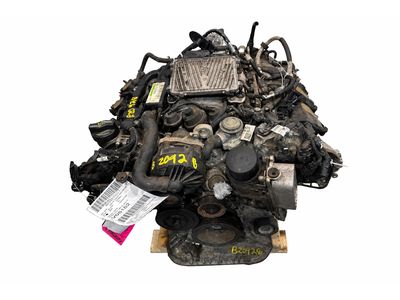
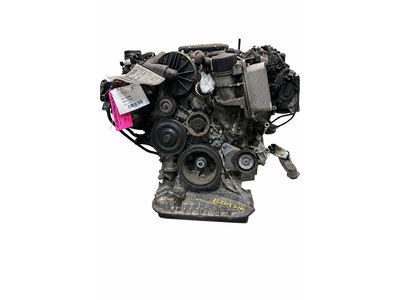
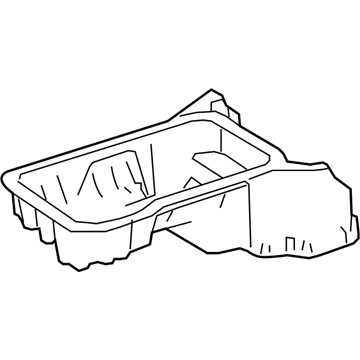
Mercedes-Benz C280 Oil Pan Part Number: 272-014-14-02
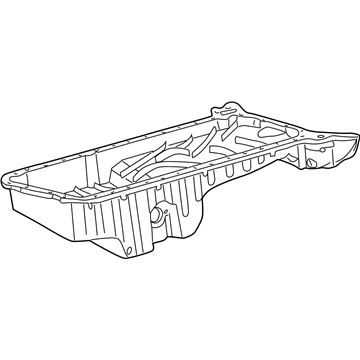
Mercedes-Benz C280 Oil Pan Part Number: 104-014-14-02
Mercedes-Benz C280 Oil Pan
Every OEM part goes through strict quality checks. The checks keep you safe and make Oil Pan tough. They keep performance the same as your original parts. If your Mercedes-Benz C280 needs OEM parts, visit our catalog. You will find extensive genuine Mercedes-Benz C280 parts. We offer a wide selection at competitive prices, and with clear fit details and simple guidance, choosing what you need is effortless. Each of our parts has a manufacturer's warranty. You will like our simple return policy. We pack and ship fast, and you get your order quickly. Shopping here feels easy and enjoyable.
Mercedes-Benz C280 Oil Pan Parts and Q&A
- Q:How to remove and install the oil pan in the Four-cylinder engines on Mercedes-Benz C280?A:To do this, however, first clean out the oil pan by disconnecting the cable to the negative of the battery and then unscrewing the engine oil dipstick. Set the parking brake, have the rear wheels blocked, bring the front of the car safely on jackstands and nick off the engine lower splash shields. empty the engine oil and take out the oil filter. then using an engine support cradle support the engine above and de-bolst the engine block-to-subframe bolts and lower the subframe using a transmission jack. Unattach all the clips that connect the transmission oil cooler lines that might run through the replacement part of the oil pan and unconnect the oil sensor connector to the oil pan. Unmount the oil pan mounting bolts and then insert the oil pan between the block and the pan without prying the block and the pan and damaging the sealing surfaces. Wipe out the oil pan contents and clean off any old sealant and pieces of gasket material off the block and pan mating areas, making sure the bolt holes in the block are clean and to verify that the oil pan flange is not distorted. Locate a bead of RTV sealant, on the body of the oil pan along the parting lines, where the rear main oil seal retainer and the front cover are, place the gasket on the block. Placing the oil pan on the block, carefully tightening the nuts/bolts in a crisscross pattern to the recommended torque, in quarter steps. Install the Engine Mount bolts and steering gear and subframe to body bolts. At last, fill the engine up again with oil, replace a filter, then start the engine until it warms up to operating temperature, then check the engine leaks.
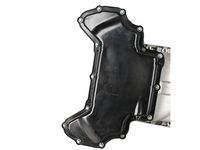
Related Mercedes-Benz C280 Parts
 Mercedes-Benz C280 Cam Gear
 Mercedes-Benz C280 Crankshaft Seal
 Mercedes-Benz C280 Crankshaft Thrust Washer
 Mercedes-Benz C280 Exhaust Valve
 Mercedes-Benz C280 Oil Filter Gasket
 Mercedes-Benz C280 Oil Filter Housing
 Mercedes-Benz C280 Oil Pump
 Mercedes-Benz C280 Oil Pump Rotor Set
 Mercedes-Benz C280 Timing Chain
 Mercedes-Benz C280 Timing Chain Guide
 Mercedes-Benz C280 Valve Lifter
 Mercedes-Benz C280 Variable Timing Sprocket
Browse by Year
2007 Oil Pan 2006 Oil Pan 2000 Oil Pan 1999 Oil Pan 1998 Oil Pan 1997 Oil Pan 1996 Oil Pan 1995 Oil Pan 1994 Oil Pan