×
- Hello
- Login or Register
- Quick Links
- Live Chat
- Track Order
- Parts Availability
- RMA
- Help Center
- Contact Us
- Shop for
- Mercedes-Benz Parts

My Garage
My Account
Cart
Genuine Mercedes-Benz C280 Starter
Starter Ignition- Select Vehicle by Model
- Select Vehicle by VIN
Select Vehicle by Model
orMake
Model
Year
Select Vehicle by VIN
For the most accurate results, select vehicle by your VIN (Vehicle Identification Number).
4 Starters found
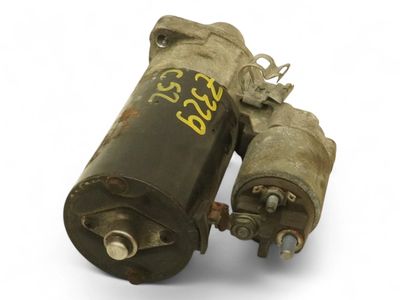
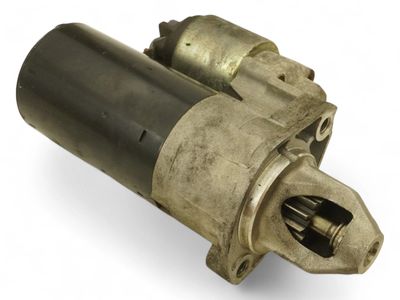
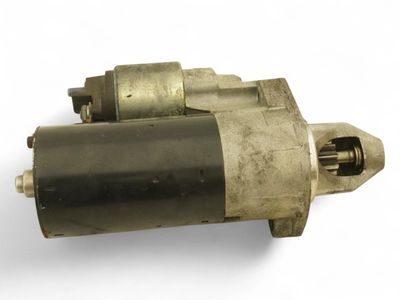
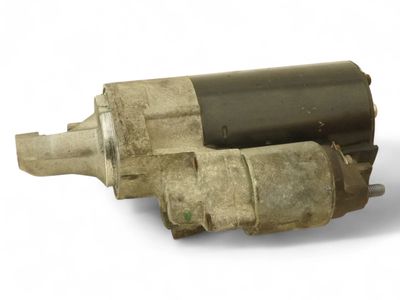
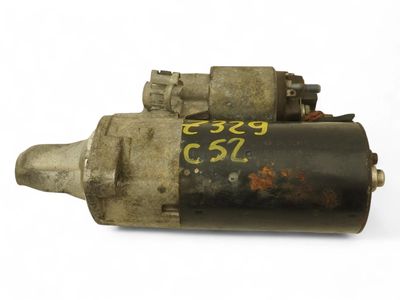
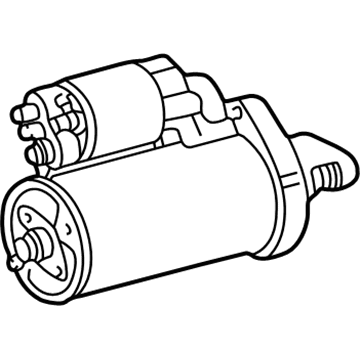
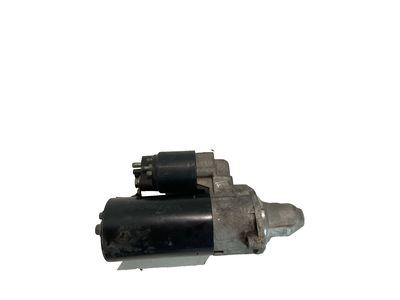
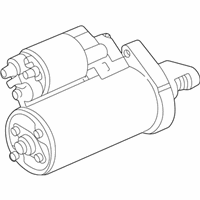
Mercedes-Benz C280 Starter Part Number: 112-151-00-01-80
$481.68 MSRP: $666.00You Save: $184.32 (28%)Ships in 1-2 Business Days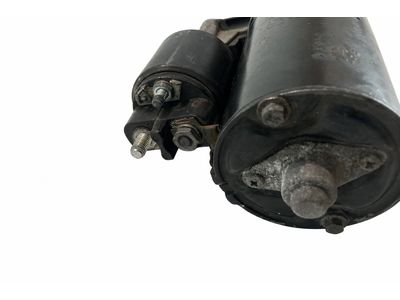
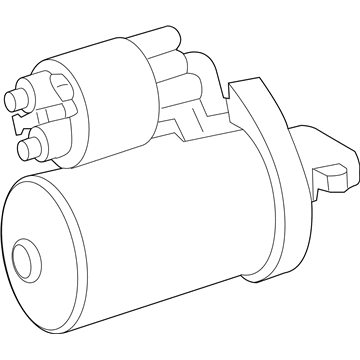
Mercedes-Benz C280 Starter Part Number: 005-151-01-01
$432.33 MSRP: $598.00You Save: $165.67 (28%)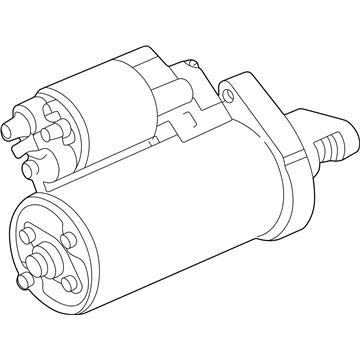
Mercedes-Benz C280 Center Bearing Part Number: 005-151-66-01-80
$401.22 MSRP: $559.00You Save: $157.78 (29%)Ships in 1-2 Business DaysMercedes-Benz C280 Starter Part Number: 006-151-05-01-80
$293.66 MSRP: $407.00You Save: $113.34 (28%)
Mercedes-Benz C280 Starter
Every OEM part goes through strict quality checks. The checks keep you safe and make Starter tough. They keep performance the same as your original parts. If your Mercedes-Benz C280 needs OEM parts, visit our catalog. You will find extensive genuine Mercedes-Benz C280 parts. We offer a wide selection at competitive prices, and with clear fit details and simple guidance, choosing what you need is effortless. Each of our parts has a manufacturer's warranty. You will like our simple return policy. We pack and ship fast, and you get your order quickly. Shopping here feels easy and enjoyable.
Mercedes-Benz C280 Starter Parts and Q&A
- Q:What should you check in the starter circuit if a malfunction occurs on Mercedes-Benz C280?A:When something wrong happens in the starting circuit; do not jump to the conclusion that the starter is on the fritz. First, ensure that battery cable clamps are clean and tight; ensure that battery cables are in good condition replacing any faulty ones. Check the state of the battery, which does not work, change it. Check the wiring connections and starter motor connections and the mounting bolts. Test the starter fuse in the engine com-partment fuse box; see whether it is blown and repair the circuit. Test S terminal on starter motor; verify that V is applied to it by turning ignition key to Start position, test starter relay. Failure of the starter to act on the ignition switch being switched to the start position can be caused by a loss of voltage through the battery to the solenoid control of the starter. To test, connect a test light or voltmeter to 12 volts, and apply it to the solenoid control of the starter. Without voltage, note the fuses and starter relay in daisy chain with the starting system. When the starter motor is not responding to voltage and it appears like it is getting no voltage, take it off the engine and bench test it. A slow turning starter: Check the cranking voltage and current being drawn by the battery, being careful not to exceed 9.6 volts or to exceed 160 amps. The state of the battery, cold-cranking rating, and battery terminal and cable cleanliness are some of the conditions that can affect starter cranking potential. When it is very cold heat the battery or engine block, then test. Failure to activate the starter with on voltage applied to the starter leads to the removal and inspection of the starter motor assembly; a failed solenoid is probable. Prior to this, make an effort to move the crankshaft pulley to eliminate a frozen engine. Test starter assembly on bench control with connect jumper cables with battery voltage on S terminal of solenoid and seeing plunger of solenoid, shifting lever and overrunning clutch. When the pinion drive is long and stationary, then the solenoid is working, but the starter motor is defective. When there is no action and the solenoid clicks, then that proves the next defective component is either the solenoid or the starter motor. When the solenoid plunger acts and turns the pinion drive, the starter assembly is functioning correctly.
Related Mercedes-Benz C280 Parts
 Mercedes-Benz C280 Alternator
 Mercedes-Benz C280 Alternator Bearing
 Mercedes-Benz C280 Alternator Bracket
 Mercedes-Benz C280 Alternator Pulley
 Mercedes-Benz C280 Armature
 Mercedes-Benz C280 Battery Cable
 Mercedes-Benz C280 Battery Vent Tube
 Mercedes-Benz C280 Ground Cables
 Mercedes-Benz C280 Starter Brush
 Mercedes-Benz C280 Starter Drive Gear
 Mercedes-Benz C280 Starter Solenoid
 Mercedes-Benz C280 Voltage Regulator