×
- Hello
- Login or Register
- Quick Links
- Live Chat
- Track Order
- Parts Availability
- RMA
- Help Center
- Contact Us
- Shop for
- Mercedes-Benz Parts

My Garage
My Account
Cart
Genuine Mercedes-Benz C320 Shock Absorber
Suspension Shock Absorber- Select Vehicle by Model
- Select Vehicle by VIN
Select Vehicle by Model
orMake
Model
Year
Select Vehicle by VIN
For the most accurate results, select vehicle by your VIN (Vehicle Identification Number).
8 Shock Absorbers found
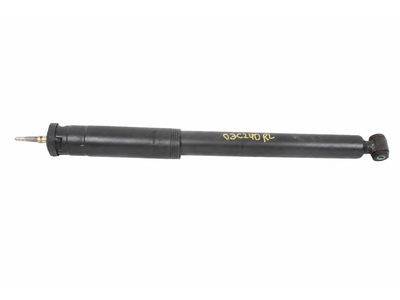
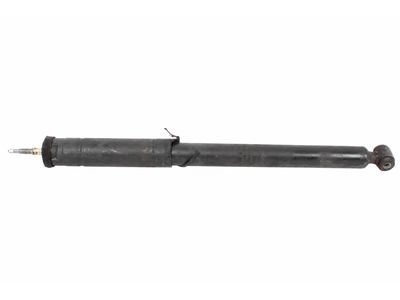
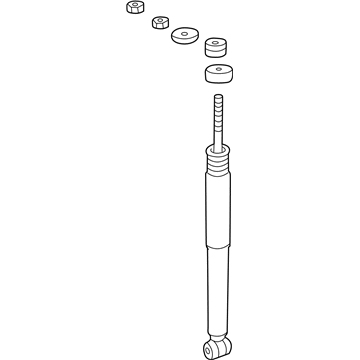
Mercedes-Benz C320 Shock Absorber Part Number: 203-326-36-00
$148.80 MSRP: $208.00You Save: $59.20 (29%)Ships in 1-2 Business Days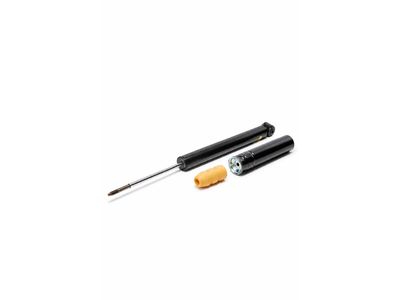
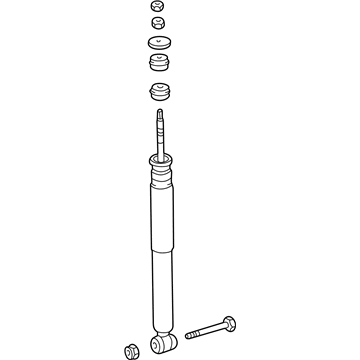
Mercedes-Benz C320 SHOCK ABSORBER Part Number: 203-326-18-00
$150.00 MSRP: $210.00You Save: $60.00 (29%)Ships in 1-2 Business Days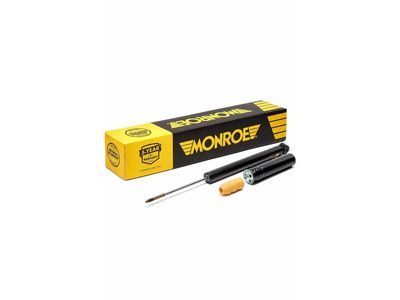
Mercedes-Benz C320 Shock Absorber Part Number: 203-326-29-00
$159.60 MSRP: $222.00You Save: $62.40 (29%)Ships in 1-2 Business Days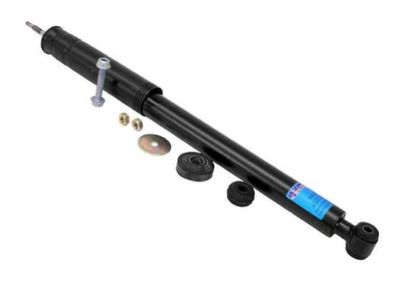
Mercedes-Benz C320 Shock Absorber Part Number: 203-326-17-00
$181.20 MSRP: $252.00You Save: $70.80 (29%)Ships in 1-2 Business Days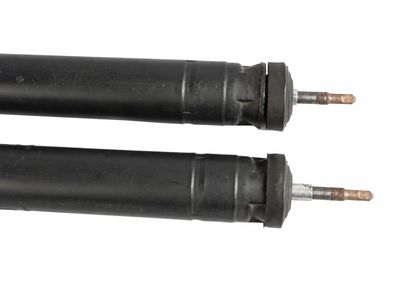
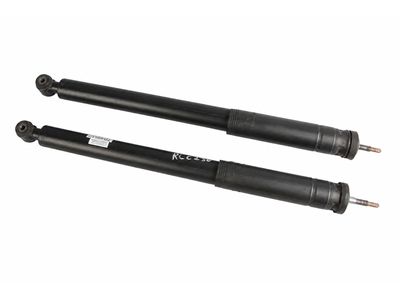
Mercedes-Benz C320 Shock Part Number: 203-326-10-00
$145.20 MSRP: $202.00You Save: $56.80 (29%)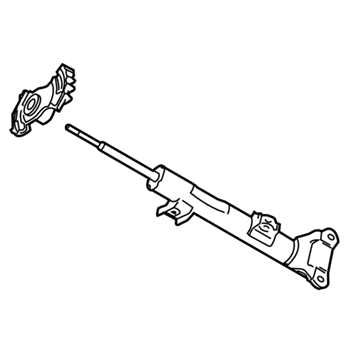
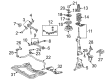
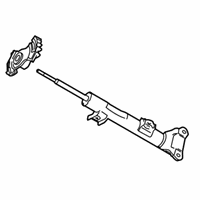
Mercedes-Benz C320 Shock Absorber Part Number: 203-320-53-30-64
$201.60 MSRP: $280.00You Save: $78.40 (28%)Ships in 1-2 Business DaysMercedes-Benz C320 SHOCK ABSORBER Part Number: 203-320-54-38
$458.40 MSRP: $640.00You Save: $181.60 (29%)Ships in 1-2 Business Days
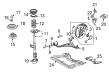
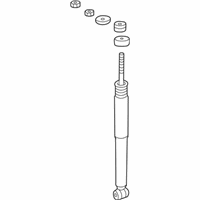
Mercedes-Benz C320 SHOCK ABSORBER Part Number: 203-320-60-30-64
$192.00 MSRP: $268.00You Save: $76.00 (29%)Ships in 1-2 Business Days
Mercedes-Benz C320 Shock Absorber
Every OEM part goes through strict quality checks. The checks keep you safe and make Shock Absorber tough. They keep performance the same as your original parts. If your Mercedes-Benz C320 needs OEM parts, visit our catalog. You will find extensive genuine Mercedes-Benz C320 parts. We offer a wide selection at competitive prices, and with clear fit details and simple guidance, choosing what you need is effortless. Each of our parts has a manufacturer's warranty. You will like our simple return policy. We pack and ship fast, and you get your order quickly. Shopping here feels easy and enjoyable.
Mercedes-Benz C320 Shock Absorber Parts and Q&A
- Q:How to check front CV Joint Boot and rear Shock Absorber on on Mercedes-Benz C320?A:Periodically check steering linkage and suspension components also: used or damaged parts can cause excessive tire wear, poor ride quality, handling problems and poor fuel economy. To test the shock absorbers, turn the engine off, apply parking brake on level ground and then measure the tire pressures. Press on one end of the vehicle, then release and ensure the vehicle does not move: It only takes 1 or 2 bounces back to its level position, any further it may be of low quality, the shock absorber is weak. Check the same at the opposite corners and then elevate the vehicle on jackstands. Check the presence or absence of fluid leakage in the shock absorbers making sure that any observed fluid leaks is due to shocks and in this case change the set. confirmation and damages Check secured mounting and if any is problematic then replace as a set. With steering and suspension, the components should be visually examined to be damaged, distorted, and leaking, especially where there are seals and boots. Wipe the lower knife-end of the steering joint and have jockey move up and down the steer with the assistant watching whether the joint is turning or not; anything turning shows it must be changed. You must hold all the tires on the front and test the play. Driveaxle boots play a significant role in shielding the constant velocity joints against dirt and damage; make sure they do not have any tears, cracks or loose clamps, any of which can indicate wear and leaking lubricant.
- Q:What steps are involved in the removal and installation process of front and rear Shock Absorbers on Mercedes-Benz C320?A:It is possible to replace the struts or coil springs individually, but disassembly by a qualified repair shop with the proper equipment will be required, adding considerable cost to the project. You can compare the cost of replacing complete assemblies yourself to the cost of replacing individual components with the help of a shop. To begin removal, loosen the wheel bolts, raise the front of the vehicle, and support it securely on jackstands before removing the front wheels, ensuring the vehicle is supported by its frame. Next, remove the wheel speed sensors from the Steering Knuckle, the brake hose and wire harness bracket from the strut, and detach the stabilizer bar link from the strut. For rear-wheel drive models, remove the strut-to-knuckle fasteners and separate the strut from the steering knuckle, taking care not to let the steering knuckle fall outward to avoid damaging the brake hose and wire harnesses. Pry off the small plastic cap from the piston rod nut, have an assistant hold the strut assembly from below, and then hold the piston rod with an Allen wrench to remove the piston rod nut and rebound stop before taking the assembly out of the fenderwell. For 4MATIC models, remove the brake caliper and secure it aside, mark the relationship of the strut to the knuckle, and remove the strut-to-knuckle nuts, discarding them. Knock the bolts out with a hammer and punch, then separate the strut from the steering knuckle while being cautious not to overextend the inner CV joint. Have an assistant hold the strut assembly from below, remove the three upper mounting bolts in the engine compartment, and take the assembly out of the fender well, ensuring the struts are marked left or right if both are being removed. Inspect the strut body for leaking fluid, dents, cracks, and other damage, and check the coil spring for chips or cracks in the coating, inspecting the spring seat and other rubber parts for deterioration. If any issues are found, replace the strut assembly or any failed components with the help of a qualified repair shop. For installation in rear-wheel drive models, guide the strut assembly into position with assistance, install the rebound stop and piston-rod nut until finger tight, then attach the strut to the steering knuckle and tighten the fasteners to the specified torque. In 4MATIC models, guide the strut assembly into position, install the upper mounting bolts, and carefully slide the steering knuckle into the strut flange, installing the two bolts and new self-locking nuts while aligning the previously made marks and tightening the nuts to the specified torque. Install the brake caliper, then install the brake hose and wire harness bracket using a new cable tie if necessary. Finally, install the wheels, lower the vehicle, and tighten the wheel bolts to the specified torque, holding the piston rod with an Allen wrench to tighten the piston-rod nut for rear-wheel drive models, and tightening the strut's upper mounting bolts for 4MATIC models. It is advisable to have the front wheel alignment checked and adjusted if necessary.
Related Mercedes-Benz C320 Parts
 Mercedes-Benz C320 Axle Beam Mount
 Mercedes-Benz C320 Axle Bearing Lock Rings
 Mercedes-Benz C320 Brake Fluid Level Sensor
 Mercedes-Benz C320 Coil Springs
 Mercedes-Benz C320 Control Arm Bolt
 Mercedes-Benz C320 Control Arm Nut
 Mercedes-Benz C320 Steering Knuckle
 Mercedes-Benz C320 Strut Bearing
 Mercedes-Benz C320 Strut Mounts
 Mercedes-Benz C320 Suspension Strut Rod
 Mercedes-Benz C320 Sway Bar Bushing
 Mercedes-Benz C320 Sway Bars
Browse by Year
2005 Shock Absorber
2004 Shock Absorber
2003 Shock Absorber
2002 Shock Absorber
2001 Shock Absorber