×
- Hello
- Login or Register
- Quick Links
- Live Chat
- Track Order
- Parts Availability
- RMA
- Help Center
- Contact Us
- Shop for
- Mercedes-Benz Parts

My Garage
My Account
Cart
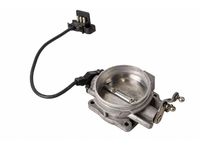
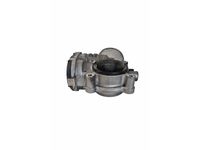
Genuine Mercedes-Benz Throttle Body
Fuel Injection Throttle Body- Select Vehicle by Model
- Select Vehicle by VIN
Select Vehicle by Model
orMake
Model
Year
Select Vehicle by VIN
For the most accurate results, select vehicle by your VIN (Vehicle Identification Number).
43 Throttle Bodies found
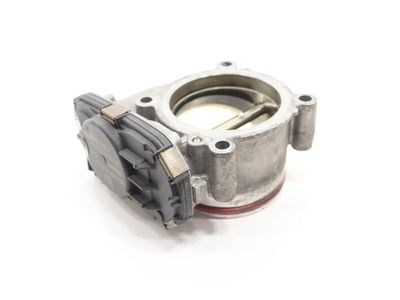
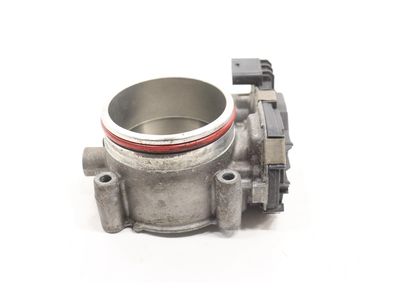
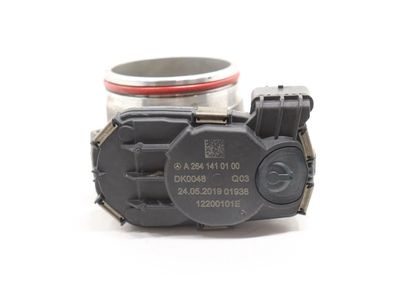
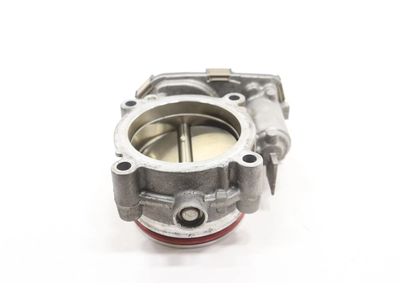
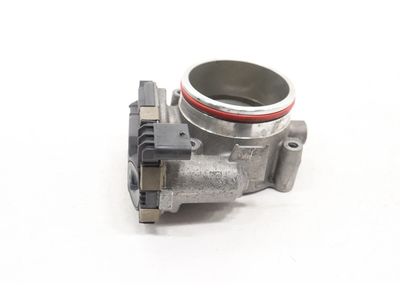
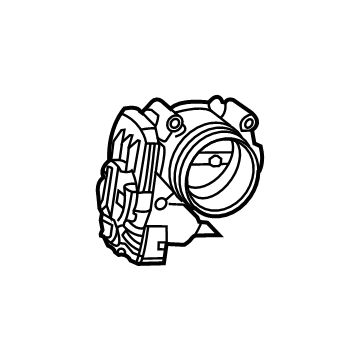
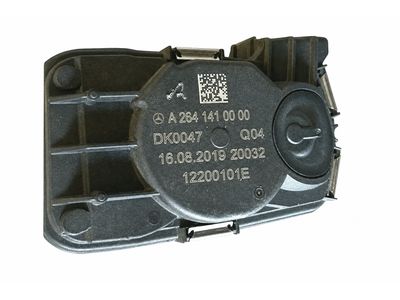
Mercedes-Benz Throttle Body Part Number: 264-141-01-00
$748.51 MSRP: $1050.00You Save: $301.49 (29%)Ships in 1-2 Business DaysProduct Specifications- Other Name: E-Gas Actuator
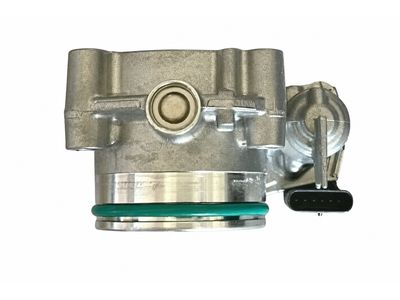
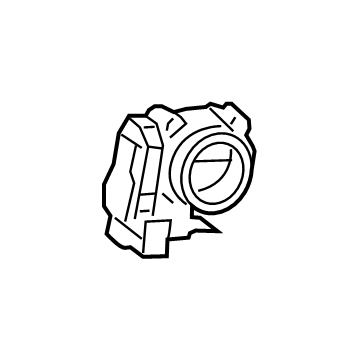
Mercedes-Benz Throttle Body Part Number: 264-141-00-00
$748.51 MSRP: $1050.00You Save: $301.49 (29%)Ships in 1-2 Business DaysProduct Specifications- Other Name: E-Gas Actuator
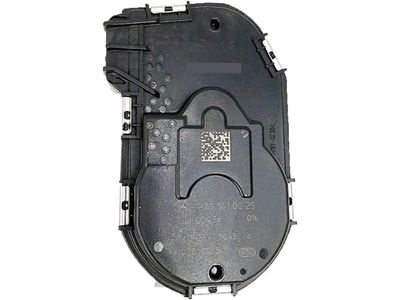
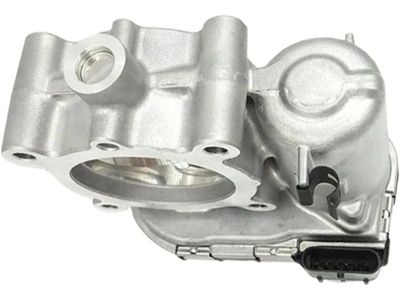
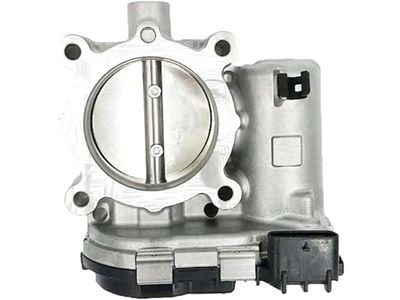
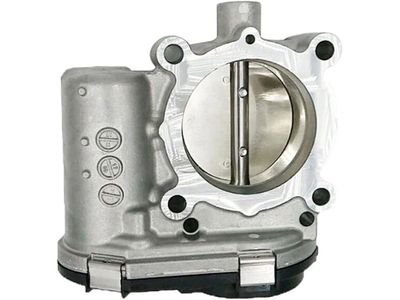
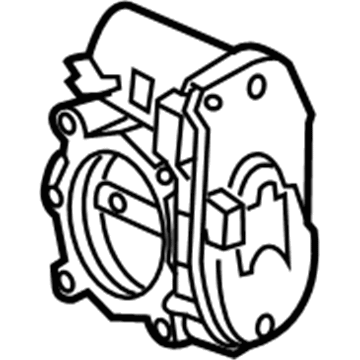
Mercedes-Benz Throttle Body Part Number: 270-141-00-25
$655.69 MSRP: $920.00You Save: $264.31 (29%)Product Specifications- Other Name: E-Gas Actuator
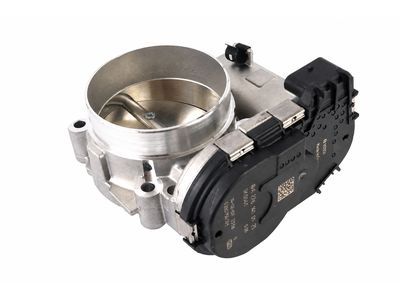
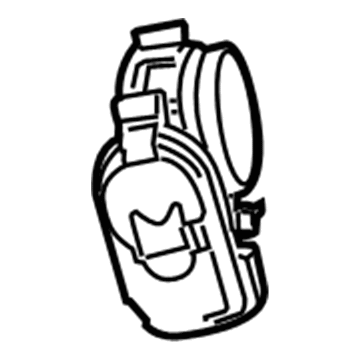
Mercedes-Benz Throttle Body Part Number: 276-141-01-25
$892.50 MSRP: $1250.00You Save: $357.50 (29%)Ships in 1-2 Business DaysProduct Specifications- Other Name: E-Gas Actuator; Actuator
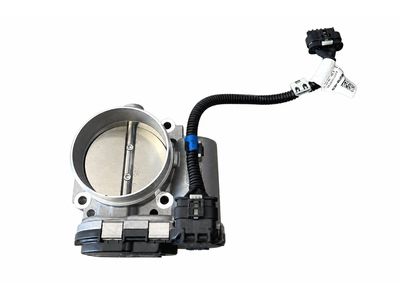
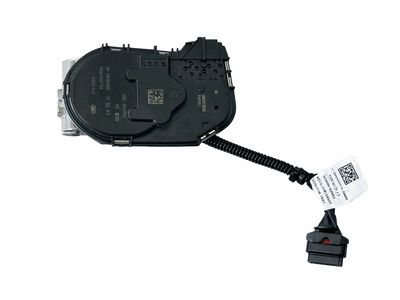
Mercedes-Benz Throttle Body Part Number: 177-141-05-00
$612.85 MSRP: $860.00You Save: $247.15 (29%)Ships in 1-2 Business DaysProduct Specifications- Other Name: E-Gas Actuator
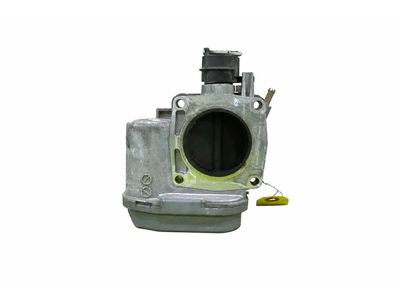
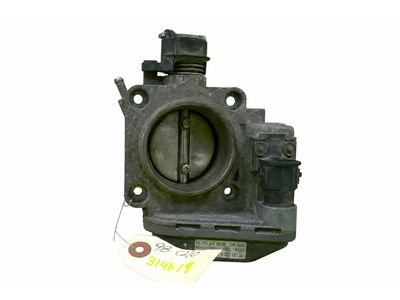
Mercedes-Benz Throttle Body Part Number: 111-141-00-25
$799.68 MSRP: $1120.00You Save: $320.32 (29%)Ships in 1-2 Business DaysProduct Specifications- Other Name: Slide; Actuator
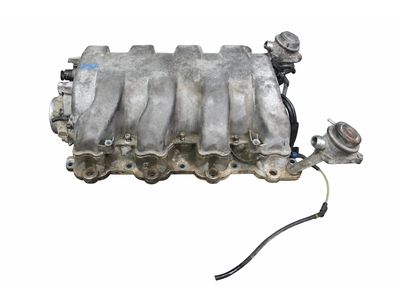
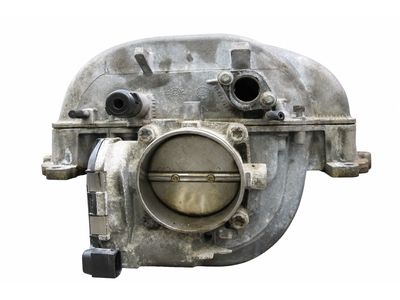
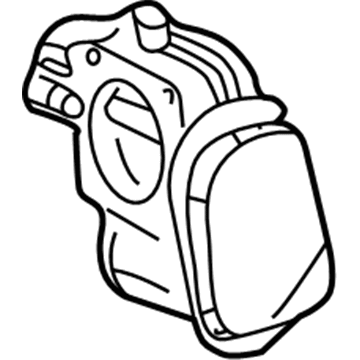
Mercedes-Benz Throttle Body Part Number: 113-141-01-25
$982.94 MSRP: $1380.00You Save: $397.06 (29%)Ships in 1-2 Business DaysProduct Specifications- Other Name: Slide; Actuator
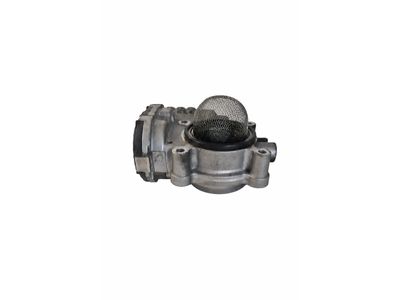
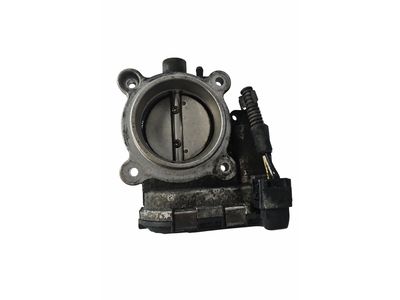
Mercedes-Benz Throttle Body Part Number: 111-141-03-25
$1112.65 MSRP: $1560.00You Save: $447.35 (29%)Product Specifications- Other Name: Slide; Actuator
- Replaces: 111-141-03-25-81
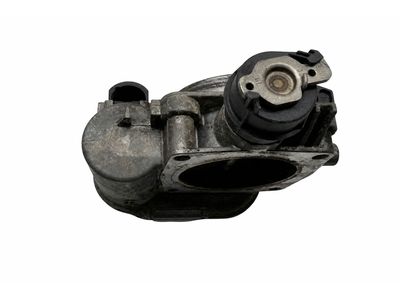
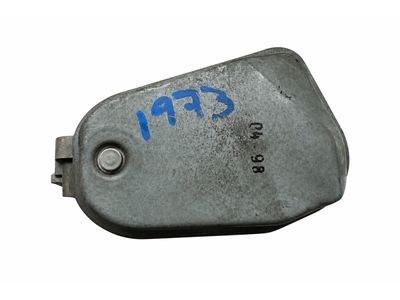
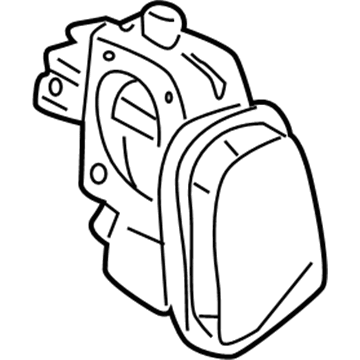
Mercedes-Benz Throttle Body Part Number: 112-141-00-25
$1332.80 MSRP: $1870.00You Save: $537.20 (29%)Ships in 1-2 Business DaysProduct Specifications- Other Name: Slide; Actuator
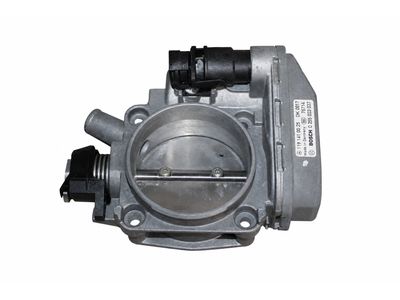
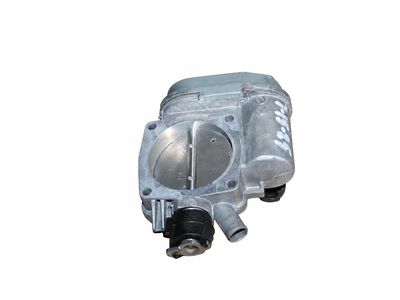
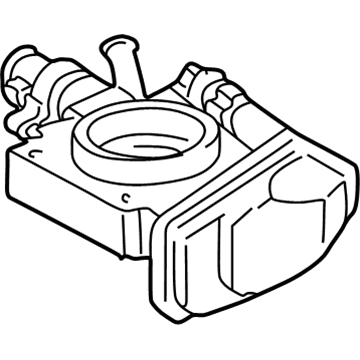
Mercedes-Benz Throttle Body Part Number: 119-141-00-25
$1416.10 MSRP: $1990.00You Save: $573.90 (29%)Ships in 1-2 Business DaysProduct Specifications- Other Name: Slide; Actuator
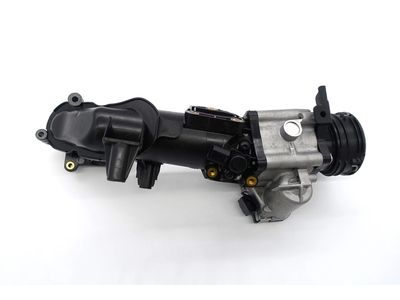
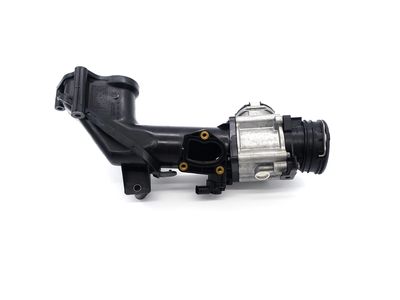
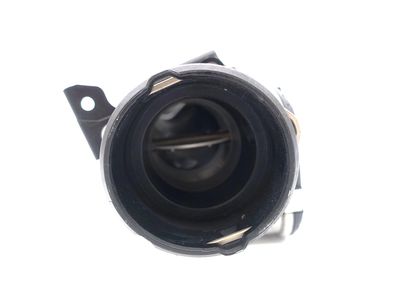
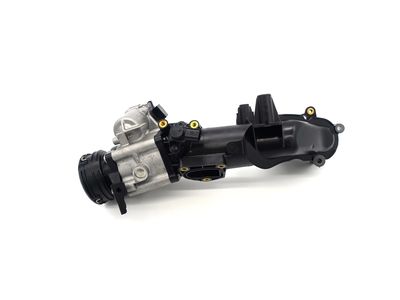
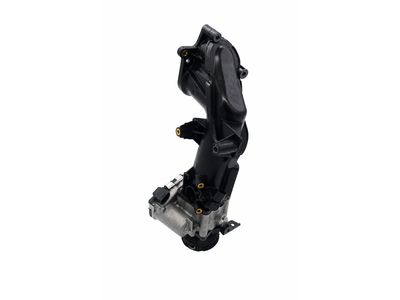
Mercedes-Benz Throttle Body Part Number: 642-090-02-70
$404.26 MSRP: $565.00You Save: $160.74 (29%)Ships in 1-2 Business DaysProduct Specifications- Other Name: Intake Throttle
- Replaces: 642-090-00-70
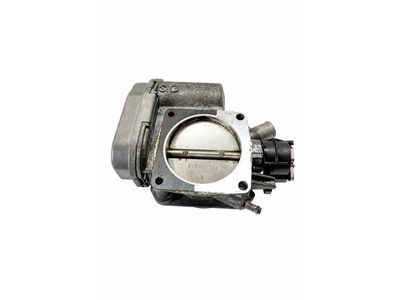
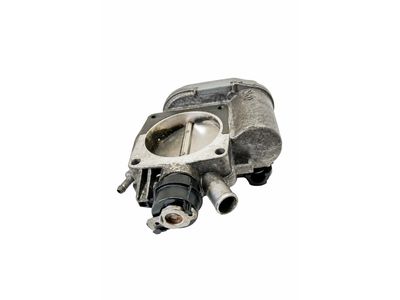
Mercedes-Benz Throttle Body Part Number: 120-141-00-25
$1416.10 MSRP: $1990.00You Save: $573.90 (29%)Ships in 1-2 Business DaysProduct Specifications- Other Name: Slide; Actuator
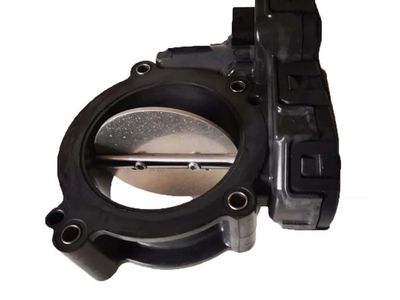
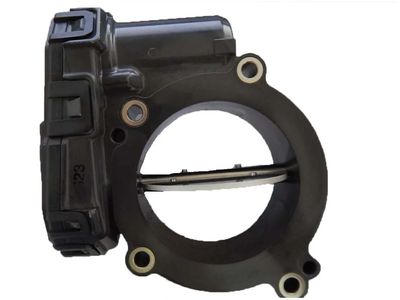
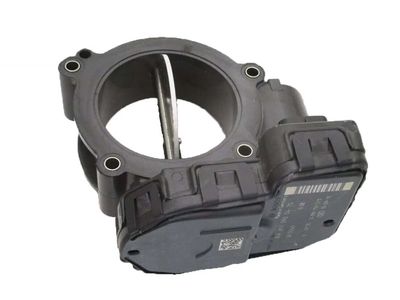
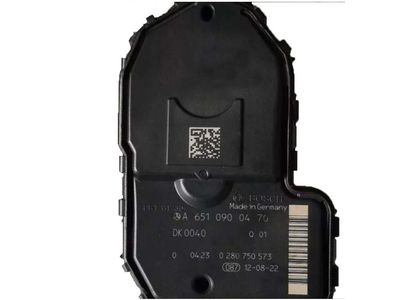
Mercedes-Benz Throttle Body Part Number: 651-090-04-70
$254.98 MSRP: $356.00You Save: $101.02 (29%)Ships in 1-2 Business DaysProduct Specifications- Other Name: Intake Air Throttle
- Replaces: 651-090-02-70, 651-090-03-70-64, 651-090-04-70-05, 651-090-03-70
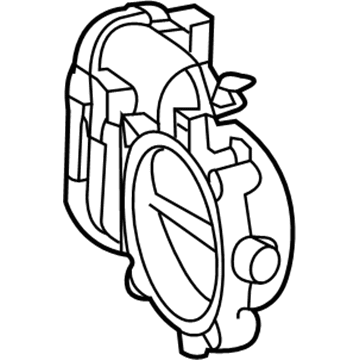
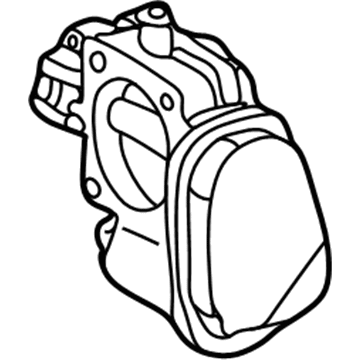
Mercedes-Benz Throttle Body Part Number: 278-141-00-25
$1085.28 MSRP: $1520.00You Save: $434.72 (29%)Ships in 1-2 Business DaysProduct Specifications- Other Name: E-Gas Actuator
Mercedes-Benz Throttle Body Part Number: 113-141-00-25
$1487.50 MSRP: $2090.00You Save: $602.50 (29%)Ships in 1-2 Business DaysProduct Specifications- Other Name: Slide; Actuator, Servo
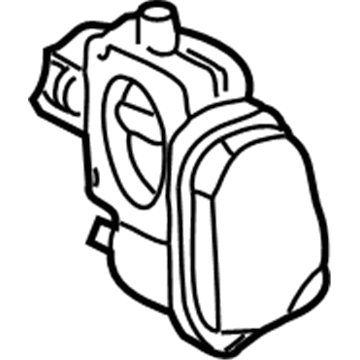
Mercedes-Benz Throttle Body Part Number: 273-141-03-25
$808.01 MSRP: $1140.00You Save: $331.99 (30%)Ships in 1-2 Business DaysProduct Specifications- Other Name: Slide; Actuator
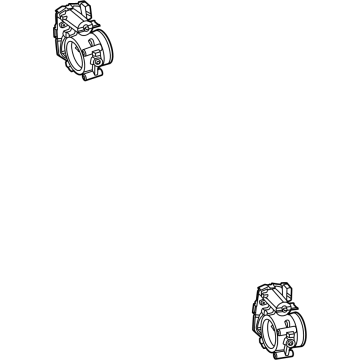
Mercedes-Benz Throttle Body Part Number: 177-141-20-00
$761.60 MSRP: $1070.00You Save: $308.40 (29%)Ships in 1-2 Business DaysProduct Specifications- Other Name: Electrical Throttle Actuator; Actuator
- Replaces: 177-141-18-00
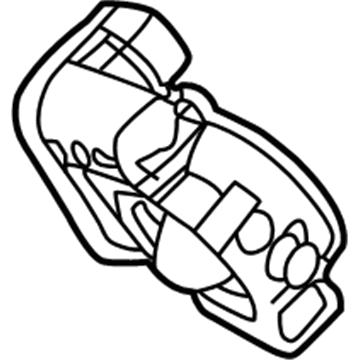
Mercedes-Benz Throttle Body Part Number: 113-140-01-04
$1285.20 MSRP: $1800.00You Save: $514.80 (29%)Ships in 1-2 Business DaysProduct Specifications- Other Name: Slide; Actuator
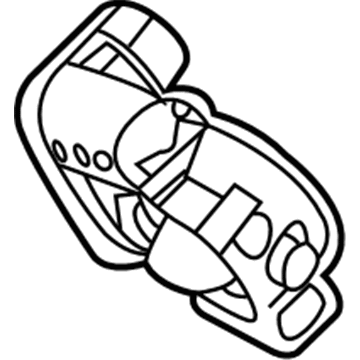
Mercedes-Benz Throttle Body Part Number: 113-141-06-25
$1306.62 MSRP: $1830.00You Save: $523.38 (29%)Ships in 1-2 Business DaysProduct Specifications- Other Name: Throttle Valve; Actuator

Mercedes-Benz Throttle Body Part Number: 254-141-02-00
$844.90 MSRP: $1190.00You Save: $345.10 (29%)Ships in 1-2 Business DaysProduct Specifications- Other Name: Electronic Acc. Motor
- Replaces: 254-141-08-00
| Page 1 of 3 |Next >
1-20 of 43 Results
Mercedes-Benz Throttle Body
The Mercedes-Benz Throttle Body meters incoming air carefully so that every press of the accelerator is instant and smooth power delivery. Mercedes-Benz cars, SUVs, and commercial vehicles showcase a heritage of innovation dating back to 1926 that couples luxurious materials with advanced safety features such as adaptive braking, multiple airbag arrays, and rigid body structures that protect the occupants in every journey. The brand also takes a lead in digital convenience with its intuitive MBUX infotainment system that accepts natural voice commands, cloud-based navigation, and seamless smartphone mirroring, while the scalable MB.OS platform promises constant software updates to keep vehicles up to date, efficient, and connected. Electric and hybrid models harness braking energy to increase driving range and demonstrate the company's dedication to sustainability without compromising performance or comfort that many drivers around the world love. The Throttle Body is located just in front of the intake manifold, and it employs a butterfly valve that is pivoted in direct response to pedal position, and modern electronic control takes the place of traditional cables to allow computers on board the vehicle to fine-tune the airflow for traction control, cruise functions, and clean idle stability. Sensors on the shaft report precise plate angles to the fuel injection timing system, enabling fuel injection times to precisely match incoming oxygen, the combination of which results in quick starts, stronger mid-range torque, and lower emissions across the entire lineup. Durable construction resists wear, but periodic cleaning of carbon makes response crisp and consistent.
Genuine parts are built to last. These components go through tough factory testing, so you can trust they will hold up over time. At MBPartsGiant.com, finding Mercedes-Benz Throttle Body is quick and simple. We keep a massive inventory in stock with low prices that are hard to beat. Just order online to get a real manufacturer's warranty with every single part. Returns won't be a headache either, thanks to our no-hassle policy. If you are in a rush, we provide expedited shipping to get your vehicle back on the road. Don't wait. Finish your repairs today and keep your Mercedes-Benz running like new. Explore the catalog now.
Mercedes-Benz Throttle Body Parts and Q&A
- Q:How to remove and refit the throttle body on Mercedes-Benz 190E?A:To remove the throttle body on 6-cylinder engine models, first depressurise the fuel system, then disconnect the battery negative lead and position it away from the terminal. Remove the air cleaner assembly, unbolt the throttle linkage bracket on the air flow sensor if applicable, and disconnect the linkage return spring(s) on the throttle body along with the linkage connecting rod. If applicable, disconnect the cruise control actuator linkage from the throttle valve lever and disconnect the vacuum hose(s) at the throttle body, labeling each hose carefully. Unplug the throttle valve switch wiring at the harness connector, unscrew the nuts securing the throttle body to the inlet manifold, and slacken the large hose clip on the rubber connecting sleeve between the throttle body and the airflow sensor. For 6-cylinder engine models, remove the entire fuel distributor unit from the inlet manifold. Unscrew the two nuts securing the airflow sensor to its rubber mountings at the throttle linkage end, unscrew the fuel return line union nut at the rear of the fuel pressure regulator, and disconnect the return line while being prepared for fuel spillage. Carefully lift the airflow sensor enough to allow the throttle body to be removed, then unscrew the securing bolts and lift the throttle body from the inlet manifold. For 6-cylinder engine models, recover the throttle body gasket, while for 4-cylinder engine models, cut out and remove the inlet manifold gasket centre section at the throttle body contact area, taking care to avoid scoring the mating surface. To refit the throttle body, follow the removal procedure in reverse, ensuring that if the throttle body is renewed, a new throttle switch is also fitted, and for 6-cylinder engine models, a new throttle body gasket is used. For 4-cylinder engine models, cut the centre section from a new inlet manifold gasket and lay it in position over the throttle body contact area. Tighten the throttle body securing bolts to the specified torque, ensure that the vacuum hoses are refitted correctly, and upon completion, check and adjust the engine idle speed if necessary.
- Q:How to remove and install the throttle body on Mercedes-Benz C230?A:On V6 models, the throttle body base fits under the rear of the engine cover / air filter housing, in the rear of the intake manifold, between the Mass Air Flow/Intake Air Temperature (MAF/IAT) sensor and the intake manifold. The first thing we have to do is to remove the engine cover / air filter housing followed by removing the MAF / IAT sensor in order to eliminate it. Disconnect the PCV hose/EVAP purge hose of the throttle body, followed by lifting and removing the tabs off the elbow style air intake duct. Then take out the four throttle body carriage screws and separate throttle body to the intake manifold. Next, disconnect the electrical connector with release tabs by pressing them in, and then remove and discard throttle body gasket, being careful to install a new throttle body gasket. Wipe the throttle body and the intake manifold gasket mating areas with no solvents or carburetor solvers. This is reassembled in reverse to ensure that the mounting depends are turned to the required tightening levels. On models with four cylinders, you can start by removing the engine trim pieces, then removing the hose clamp that joins the air scoop to the MAF/IAT sensor, and unbolt the air scoop off of the throttle body. Unplug the electrical connector and take off the throttle body mounting bolts and get rid of the gasket and fit a new one. Wipe the mating surfaces as discussed above and reinstall in reversed sequence taking care to use the newer gasket and tighten the bolts to correct specification. In 2003 to 2005 four-cylinder engines, take on by taking off the air filter housing, unplugging of the electrical connector and pressure attachment of the intercooler. Unscrew the purge valve vacuum line, unscrew throttle body mounting bolts and remove gasket and install it with a new one. Wipe the mating surfaces clear of solvents or cleaners and then reassemble in the same sequence again, but in reverse order,, and with the correct torque on the mounting bolts.
Related Mercedes-Benz Parts
 Mercedes-Benz Air Filter
 Mercedes-Benz Accelerator Pedal
 Mercedes-Benz Fuel Pressure Regulator
 Mercedes-Benz Fuel Injector
 Mercedes-Benz Accelerator Cable
 Mercedes-Benz Fuel Filler Neck
 Mercedes-Benz Fuel Pump Strainer
 Mercedes-Benz Fuel Tank Skid Plate
 Mercedes-Benz Fuel Tank Strap
 Mercedes-Benz Intercooler Hose
 Mercedes-Benz Throttle Body Gasket
 Mercedes-Benz Turbocharger Boost Solenoid
Browse by Model
190E Throttle Body 300CE Throttle Body 300D Throttle Body 300E Throttle Body 300SD Throttle Body 300SE Throttle Body 300SEL Throttle Body 300TE Throttle Body 400E Throttle Body 400SE Throttle Body 400SEL Throttle Body 500E Throttle Body 500SEC Throttle Body 500SEL Throttle Body 600SEC Throttle Body 600SEL Throttle Body A220 Throttle Body A35 AMG Throttle Body AMG GT 43 Throttle Body AMG GT 53 Throttle Body AMG GT 63 S Throttle Body AMG GT 63 Throttle Body AMG GT Black Series Throttle Body AMG GT C Throttle Body AMG GT R Pro Throttle Body AMG GT R Throttle Body AMG GT S Throttle Body AMG GT Throttle Body C220 Throttle Body C230 Throttle Body C240 Throttle Body C250 Throttle Body C280 Throttle Body C300 Throttle Body C320 Throttle Body C350 Throttle Body C350e Throttle Body C400 Throttle Body C43 AMG Throttle Body C450 AMG Throttle Body C55 AMG Throttle Body C63 AMG S E Performance Throttle Body C63 AMG S Throttle Body C63 AMG Throttle Body CL500 Throttle Body CL55 AMG Throttle Body CL550 Throttle Body CL600 Throttle Body CL63 AMG Throttle Body CL65 AMG Throttle Body CLA250 Throttle Body CLA35 AMG Throttle Body CLA45 AMG S Throttle Body CLA45 AMG Throttle Body CLK320 Throttle Body CLK350 Throttle Body CLK430 Throttle Body CLK500 Throttle Body CLK55 AMG Throttle Body CLK550 Throttle Body CLK63 AMG Throttle Body CLS400 Throttle Body CLS450 Throttle Body CLS500 Throttle Body CLS53 AMG Throttle Body CLS55 AMG Throttle Body CLS550 Throttle Body CLS63 AMG S Throttle Body CLS63 AMG Throttle Body E250 Throttle Body E300 Throttle Body E320 Throttle Body E350 Throttle Body E400 Throttle Body E420 Throttle Body E43 AMG Throttle Body E430 Throttle Body E450 Throttle Body E500 Throttle Body E53 AMG Throttle Body E55 AMG Throttle Body E550 Throttle Body E63 AMG S Throttle Body E63 AMG Throttle Body G500 Throttle Body G55 AMG Throttle Body G550 Throttle Body G63 AMG Throttle Body G65 AMG Throttle Body GL320 Throttle Body GL350 Throttle Body GL450 Throttle Body GL550 Throttle Body GL63 AMG Throttle Body GLA250 Throttle Body GLA35 AMG Throttle Body GLA45 AMG Throttle Body GLB250 Throttle Body GLB35 AMG Throttle Body GLC300 Throttle Body GLC350e Throttle Body GLC43 AMG Throttle Body GLC63 AMG S E Performance Throttle Body GLC63 AMG S Throttle Body GLC63 AMG Throttle Body GLE300d Throttle Body GLE350 Throttle Body GLE400 Throttle Body GLE43 AMG Throttle Body GLE450 AMG Throttle Body GLE450 Throttle Body GLE450e Throttle Body GLE53 AMG SUV Throttle Body GLE53 AMG Throttle Body GLE550e Throttle Body GLE580 Throttle Body GLE63 AMG S Throttle Body GLE63 AMG Throttle Body GLK250 Throttle Body GLK350 Throttle Body GLS450 Throttle Body GLS550 Throttle Body GLS580 Throttle Body GLS63 AMG Throttle Body Metris Throttle Body ML250 Throttle Body ML320 Throttle Body ML350 Throttle Body ML400 Throttle Body ML430 Throttle Body ML450 Throttle Body ML500 Throttle Body ML55 AMG Throttle Body ML550 Throttle Body ML63 AMG Throttle Body R320 Throttle Body R350 Throttle Body R500 Throttle Body R63 AMG Throttle Body S350 Throttle Body S400 Throttle Body S420 Throttle Body S430 Throttle Body S450 Throttle Body S500 Throttle Body S55 AMG Throttle Body S550 Throttle Body S550e Throttle Body S560 Throttle Body S560e Throttle Body S580 Throttle Body S580e Throttle Body S600 Throttle Body S63 AMG E Performance Throttle Body S63 AMG Throttle Body S65 AMG Throttle Body SL400 Throttle Body SL43 AMG Throttle Body SL450 Throttle Body SL500 Throttle Body SL55 AMG Throttle Body SL550 Throttle Body SL600 Throttle Body SL63 AMG Throttle Body SL65 AMG Throttle Body SLC300 Throttle Body SLC43 AMG Throttle Body SLK230 Throttle Body SLK250 Throttle Body SLK280 Throttle Body SLK300 Throttle Body SLK32 AMG Throttle Body SLK320 Throttle Body SLK350 Throttle Body SLK55 AMG Throttle Body Sprinter 1500 Throttle Body Sprinter 2500 Throttle Body Sprinter 3500 Throttle Body Sprinter 3500XD Throttle Body