×
- Hello
- Login or Register
- Quick Links
- Live Chat
- Track Order
- Parts Availability
- RMA
- Help Center
- Contact Us
- Shop for
- Mercedes-Benz Parts

My Garage
My Account
Cart
Genuine Mercedes-Benz 190E Brake Hose
Brake Line- Select Vehicle by Model
- Select Vehicle by VIN
Select Vehicle by Model
orMake
Model
Year
Select Vehicle by VIN
For the most accurate results, select vehicle by your VIN (Vehicle Identification Number).
2 Brake Hoses found
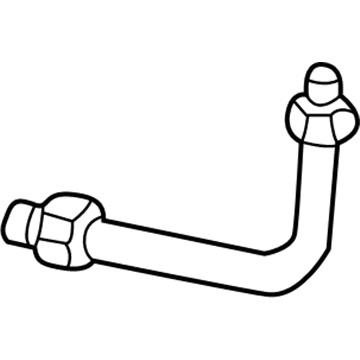
Mercedes-Benz 190E Brake Hose Part Number: 126-428-03-35-64
$19.52 MSRP: $27.00You Save: $7.48 (28%)Ships in 1-2 Business Days
Mercedes-Benz 190E Brake Hose Part Number: 129-428-00-35-64
$39.60 MSRP: $55.00You Save: $15.40 (28%)Ships in 1-2 Business Days
Mercedes-Benz 190E Brake Hose
Every OEM part goes through strict quality checks. The checks keep you safe and make Brake Hose tough. They keep performance the same as your original parts. If your Mercedes-Benz 190E needs OEM parts, visit our catalog. You will find extensive genuine Mercedes-Benz 190E parts. We offer a wide selection at competitive prices, and with clear fit details and simple guidance, choosing what you need is effortless. Each of our parts has a manufacturer's warranty. You will like our simple return policy. We pack and ship fast, and you get your order quickly. Shopping here feels easy and enjoyable.
Mercedes-Benz 190E Brake Hose Parts and Q&A
- Q: What precautions should be taken before starting work on brake hoses on Mercedes-Benz 190E?A:Before going to work, you should reduce the loss of fluids when filling up any pipe or hose by first sealing the master cylinder reservoir cover with polythene. You can also use flexible hoses and seal them using a brake hose clamp, or seal metal brake pipe union with a brake pipe union plug or brake pipe union cap by moving in order to avoid dirt getting into the system. Any union should have a wad of rag put below it to absorb spilled fluid. To loosen that flexible hose, loosen the brake pipe union nut and then remove the spring clip attached to the hose. A brake pipe spanner of correct size is best used to unscrew the union nuts, although an open-ended spanner that fits closely can be used carefully to avoid rounding off the nuts. It can be required only when the stubborn nuts show themselves; then a self-locking wrench can be required; the damaged nuts and pipe should then be replaced at reassembly. Before removing the connections, change of union and surrounding area should always be cleaned, and connection at the multiple ends should be noted: to prevent any dirt entering the hydraulic system marked notes must be made of each connection. Union nut bare brake pipes perforated with union end flares (brake pipes may also use ANOE flares) and kits consisting of bare brake pipes with flares and nuts are available at dealers or assemblies at accessory shops (for details, see below). When relevant, refitting also implies that union nuts should not be over tightened with pipes and hoses in place where they belong. Installation Once installed, take away the polythene sheet in the reservoir, bleed the hydraulic system, rinse off any spilled fluid and check the leaks. Lastly, motor braking system has to be thoroughly tested before the vehicle is reintroduced into the service of the people.