×
- Hello
- Login or Register
- Quick Links
- Live Chat
- Track Order
- Parts Availability
- RMA
- Help Center
- Contact Us
- Shop for
- Mercedes-Benz Parts

My Garage
My Account
Cart
Genuine Mercedes-Benz 190E Fuel Filter
Gas Filter- Select Vehicle by Model
- Select Vehicle by VIN
Select Vehicle by Model
orMake
Model
Year
Select Vehicle by VIN
For the most accurate results, select vehicle by your VIN (Vehicle Identification Number).
2 Fuel Filters found
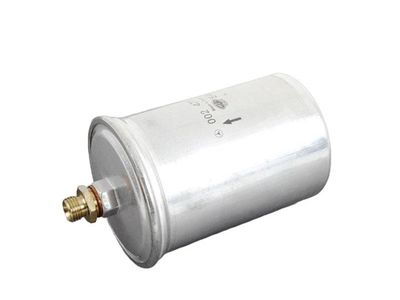
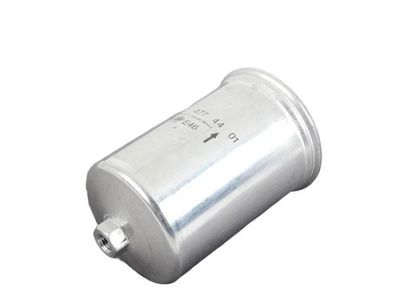
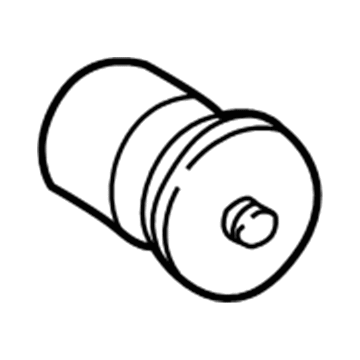
Mercedes-Benz 190E Fuel Filter Part Number: 002-477-44-01
$49.20 MSRP: $69.00You Save: $19.80 (29%)Ships in 1-2 Business Days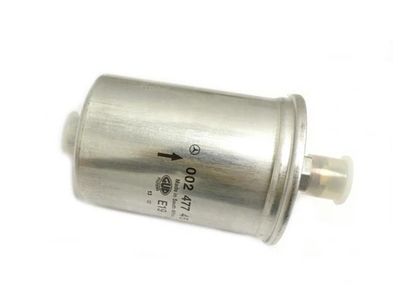
Mercedes-Benz 190E Fuel Filter Part Number: 002-477-45-01
$41.40 MSRP: $58.00You Save: $16.60 (29%)Ships in 1-2 Business Days
Mercedes-Benz 190E Fuel Filter
Every OEM part goes through strict quality checks. The checks keep you safe and make Fuel Filter tough. They keep performance the same as your original parts. If your Mercedes-Benz 190E needs OEM parts, visit our catalog. You will find extensive genuine Mercedes-Benz 190E parts. We offer a wide selection at competitive prices, and with clear fit details and simple guidance, choosing what you need is effortless. Each of our parts has a manufacturer's warranty. You will like our simple return policy. We pack and ship fast, and you get your order quickly. Shopping here feels easy and enjoyable.
Mercedes-Benz 190E Fuel Filter Parts and Q&A
- Q:How to replace a fuel filter and pre-filter on Mercedes-Benz 190E?A:Disconnect the battery negative cable and position it away from the terminal. To minimize fuel spillage, position a small container underneath the filter canister and pad the surrounding area with absorbent rags. Support the fuel filter with one hand, then slacken and remove the banjo bolt from the top of the fuel filter housing, recovering both O-ring seals for disposal as new items must be used upon refitting. Remove the filter canister from the engine bay, keeping the mating face upwards to minimize fuel spillage. With the filter removed, check that the restriction orifice in the fuel return line on the mating surface of the filter housing is clean and free from blockage. Take the new filter canister and moisten the rubber seal with a little clean fuel. Offer the filter up to the housing, then insert the banjo bolt using new O-ring seals and tighten it securely. The pre-filter is positioned to the left-hand side of the fuel injection pump; clamp off the fuel supply hose from the fuel tank downstream of the pre-filter, then slacken the clips and detach the fuel hoses from either side of the pre-filter. Fit the new unit in its place and tighten the hose clips securely. Restore the battery connection, then start and run the engine at idle, checking around the fuel filter for leaks. The fuel pump is self-priming, but it may take a few seconds of cranking before the engine starts. Raise the engine speed to about 2000 rpm several times, then allow the engine to idle again to bleed air bubbles from the filter canister; if the engine idle is rough or hesitant, repeat the action until the fuel system clears itself.
- Q:What precautions should be taken when working with fuel system components, and what are the steps for removing and refitting the fuel filter on Mercedes-Benz 190E?A:Extra care should be taken when dealing with fuel system parts since dirt, finding its way into the fuel system, could also cause blockage resulting to lack of good performance or a breakdown. The fuel filter fits in the fuel supply line near to the fuel tank and can be reached by from the underside of the vehicle. The first thing to do is to depressurise the fuel system, disattach the negative lead to the battery and move it away out of sight of the terminal. On flat ground place the parking brake, chock the front wheels, and elevate the rear squarely on axle stands. Unscrew the screws to open the protective cover of the fuel-pump, filter, and accumulator. Use the right hose clamps to remove the flexible fuel supply hose to the fuel pump and the delivery hose of the filter and avoid using tools that can harm the hose. Unhook the fuel lines on both sides of the filter unit, secure sealing washers with banjo bolt unions (replace them during reassembly), and get ready to deal with fuel spillage; place a container under the fuel and use absorbent rags. Detach the screw, the retaining strap and pull the filter out of the mounting bracket, remembering that more screws and the support of the fuel pump can be added on later models. Where needed, unscrew the banjo unions, then dispath the fuel line off the fuel pump and the accumulator to make it easier to remove the filter. Refitting can be done by reversing the steps of its removal and making sure the arrow on the filter unit casing should be pointing to the engine and the filter retaining clip is fitted in place, and new sealing washers for the union of banjo bolts are put on. Once the car is put back together, test the sides of the parts that have been disturbed and especially the area surrounding the fuel pump; the tank generally takes time before the fuel pump can release the air from the tank so it might take awhile before the vehicle starts.
Related Mercedes-Benz 190E Parts
 Mercedes-Benz 190E Oil Filter
 Mercedes-Benz 190E Crankshaft Timing Gear
 Mercedes-Benz 190E Engine Mount
 Mercedes-Benz 190E Oil Pan Gasket
 Mercedes-Benz 190E Oil Pump Rotor Set
 Mercedes-Benz 190E Rod Bearing
 Mercedes-Benz 190E Timing Belt Idler Pulley
 Mercedes-Benz 190E Timing Chain Tensioner
 Mercedes-Benz 190E Timing Cover
 Mercedes-Benz 190E Timing Cover Gasket
 Mercedes-Benz 190E Valve Spring Retainer
 Mercedes-Benz 190E Valve Spring Retainer Keeper