×
- Hello
- Login or Register
- Quick Links
- Live Chat
- Track Order
- Parts Availability
- RMA
- Help Center
- Contact Us
- Shop for
- Mercedes-Benz Parts

My Garage
My Account
Cart
Genuine Mercedes-Benz 300TD Brake Caliper
Caliper- Select Vehicle by Model
- Select Vehicle by VIN
Select Vehicle by Model
orMake
Model
Year
Select Vehicle by VIN
For the most accurate results, select vehicle by your VIN (Vehicle Identification Number).
8 Brake Calipers found
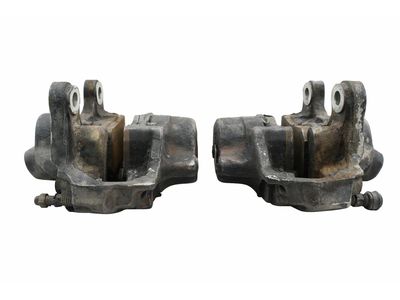
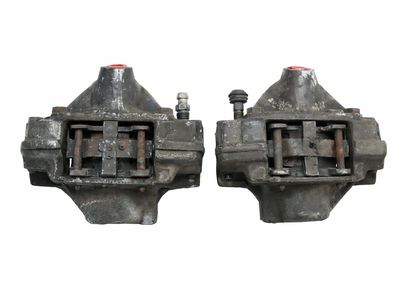
Mercedes-Benz 300TD Caliper Part Number: 001-420-18-83

Mercedes-Benz 300TD Caliper Part Number: 123-420-01-83
Mercedes-Benz 300TD Caliper Part Number: 123-420-02-83-64
Mercedes-Benz 300TD Caliper Part Number: 123-420-11-83-64
Mercedes-Benz 300TD Caliper Seal Kit Part Number: 001-420-19-83
Mercedes-Benz 300TD Caliper Part Number: 123-420-12-83
Mercedes-Benz 300TD Caliper Part Number: 123-420-03-83
Mercedes-Benz 300TD Caliper Part Number: 123-420-04-83
Mercedes-Benz 300TD Brake Caliper
Every OEM part goes through strict quality checks. The checks keep you safe and make Brake Caliper tough. They keep performance the same as your original parts. If your Mercedes-Benz 300TD needs OEM parts, visit our catalog. You will find extensive genuine Mercedes-Benz 300TD parts. We offer a wide selection at competitive prices, and with clear fit details and simple guidance, choosing what you need is effortless. Each of our parts has a manufacturer's warranty. You will like our simple return policy. We pack and ship fast, and you get your order quickly. Shopping here feels easy and enjoyable.
Mercedes-Benz 300TD Brake Caliper Parts and Q&A
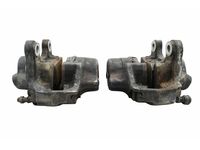
- Q:What are the steps involved in the removal, overhaul, and installation of the brake caliper on Mercedes-Benz 300TD?A:The brake parts can be removed by lifting the car and then placing stable stands on the jackstands and then lifting off the corresponding wheel(s). Then undo the disc pads and the brake fluid reservoir filler cap, velcroce over the hole and tighten the filler to reduce the leakage of fluid, or just drain off some fluid. Disconnect pad sensors and disassemble wires and bracket to caliper (not yet done). Should the caliper be required to be removed, unscrew and screw back the brake hose to the caliper with an open-end wrench, loosen the coupling bolts and lift the caliper off the steering knuckle or hub. Purchase an overhaul kit before you begin with the overhaul. Carefully dislodge the caliper dust caps (do not tap out the pressed-in ring on Bendix type calipers) and dislodge any heat shields present. In order to remove the pistons, put low air pressure on the fluid inlet fitting, keeping one caliper at low pressure as the opposing piston is ejected, and then again with high pressure, apply thick vibration-free rubber pad over the piston port to eject the second piston. You should label the pistons and their corresponding bores using tape to ensure that you can not mix the compartments; then analyze them in terms of scoring, corrosion, and wear, and consider replacing the damaged parts. Removal of the old seals and cleaning of the caliper and bore with clean brake fluid, denatured alcohol, or brake system cleaner. Clean brake fluid lubricates the bore, and the new piston seal; speedily place the seal however not twisted, and lubricate the pistons then fit into their respective bores, at a 20 angle bottom of the caliper, and forcefully stuff the seal inside, and put the dust caps in place. Access the heat shields, so that the raised part of the piston is at least 0.004 in (0.1 mm) above the surface of the heat shields, and press the heat shields into the piston with a short bolt and nut, remembering that the inner and outer pistons have different highlights on their heat shields, which cannot be interchanged. To install, do the reverse of the removal process, but when the flexible brake fluid hose is fully installed never allow it to be twisted, as well the mounting bolts should be tightened to the desired torque, and new mounting bolts are suggested. Lastly, then bleed the brake system.
Related Mercedes-Benz 300TD Parts
 Mercedes-Benz 300TD ABS Sensor
 Mercedes-Benz 300TD Brake Booster Vacuum Hose
 Mercedes-Benz 300TD Brake Caliper Repair Kit
 Mercedes-Benz 300TD Brake Dust Shields
 Mercedes-Benz 300TD Brake Line
 Mercedes-Benz 300TD Brake Master Cylinder
 Mercedes-Benz 300TD Brake Master Cylinder Repair Kit
 Mercedes-Benz 300TD Brake Rotor
 Mercedes-Benz 300TD Hydraulic Hose
 Mercedes-Benz 300TD Parking Brake Cable
 Mercedes-Benz 300TD Trailing Arm
 Mercedes-Benz 300TD Wheel Hub