×
- Hello
- Login or Register
- Quick Links
- Live Chat
- Track Order
- Parts Availability
- RMA
- Help Center
- Contact Us
- Shop for
- Mercedes-Benz Parts

My Garage
My Account
Cart
Genuine Mercedes-Benz C240 Fuel Tank
Gas Tank- Select Vehicle by Model
- Select Vehicle by VIN
Select Vehicle by Model
orMake
Model
Year
Select Vehicle by VIN
For the most accurate results, select vehicle by your VIN (Vehicle Identification Number).
1 Fuel Tank found
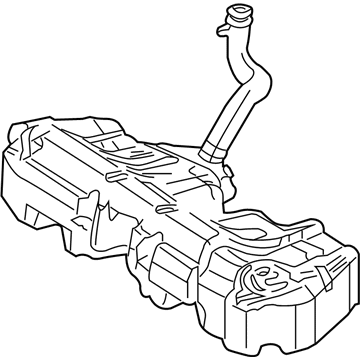
Mercedes-Benz C240 Fuel Tank Part Number: 203-470-92-01
$1134.07 MSRP: $1590.00You Save: $455.93 (29%)Ships in 1-2 Business Days
Mercedes-Benz C240 Fuel Tank
Every OEM part goes through strict quality checks. The checks keep you safe and make Fuel Tank tough. They keep performance the same as your original parts. If your Mercedes-Benz C240 needs OEM parts, visit our catalog. You will find extensive genuine Mercedes-Benz C240 parts. We offer a wide selection at competitive prices, and with clear fit details and simple guidance, choosing what you need is effortless. Each of our parts has a manufacturer's warranty. You will like our simple return policy. We pack and ship fast, and you get your order quickly. Shopping here feels easy and enjoyable.
Mercedes-Benz C240 Fuel Tank Parts and Q&A
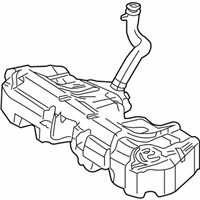
- Q:How to remove and install the fuel tank on Mercedes-Benz C240?A:Relieve the fuel system pressure, then disconnect the cable from the negative battery terminal. Remove the rear seat cushion and the access panels for the fuel level sensor and Fuel Pump/fuel level sensor module, followed by the removal of the retaining rings for both modules. Working through the access hole for the fuel level sensor, disconnect the electrical connector from the sensor assembly. Lift up the fuel level sensor from the left side of the fuel tank and siphon out as much fuel as possible, then do the same for the fuel pump/fuel level sensor from the right side. Loosen the rear wheel bolts, raise the vehicle securely on jackstands, and remove the rear wheels. Detach the two under covers by removing the nuts from the front and rear, then pull the cover straight down. Remove the entire rear exhaust system from the flange in front of the pre-muffler to the muffler/tailpipe, then remove the retaining nuts that secure the exhaust pipe heat shields and take off the heat shields. Detach the driveshaft from the rear differential flange, then remove the parking brake cable cover and disconnect the parking brake cables from the equalizer, pulling the cables out of the cable bracket. If equipped, disconnect the rear brake pad wear sensors from the calipers, trace the sensor leads, and disengage them from any clips on the rear suspension assembly before unbolting and removing the rear brake calipers, supporting them with lengths of wire. Remove the rear stabilizer bar and locate the electrical terminal for the rear wheel speed sensor leads in the underside of the vehicle body, disconnecting the two wheel speed sensor leads from the terminal. Remove the coil springs and support the rear suspension assembly with an adjustable-head transmission jack, ensuring the crossmember is securely supported on each side. Remove the four large bolts that attach the rear suspension crossmembers and carefully lower the rear suspension assembly. Remove the splash shield from the right rear wheel well, then loosen the hose clamps for the fuel filler neck hose, fuel overflow shutoff hose, and fuel tank vent hoses, disconnecting all three. Support the fuel tank, remove the fuel tank strap nuts, and detach the fuel tank straps. Lower the tank slightly and disconnect any remaining electrical harnesses and EVAP hoses before lowering and removing the fuel tank. For installation, reverse the removal process, ensuring to transfer all components from the old fuel tank to the new one if replacing it, tighten the fuel tank strap nuts securely, and adjust the parking brake cables when finished.
Related Mercedes-Benz C240 Parts
 Mercedes-Benz C240 Air Filter
 Mercedes-Benz C240 Fuel Filter
 Mercedes-Benz C240 Fuel Pump
 Mercedes-Benz C240 Accelerator Pedal
 Mercedes-Benz C240 Air Duct
 Mercedes-Benz C240 Air Filter Box
 Mercedes-Benz C240 Air Intake Hose
 Mercedes-Benz C240 Fuel Filler Neck
 Mercedes-Benz C240 Fuel Level Sensor
 Mercedes-Benz C240 Fuel Sending Unit
 Mercedes-Benz C240 Throttle Body
 Mercedes-Benz C240 Throttle Position Sensor