×
- Hello
- Login or Register
- Quick Links
- Live Chat
- Track Order
- Parts Availability
- RMA
- Help Center
- Contact Us
- Shop for
- Mercedes-Benz Parts

My Garage
My Account
Cart
Genuine Mercedes-Benz 190E Brake Disc
Disc Rotor- Select Vehicle by Model
- Select Vehicle by VIN
Select Vehicle by Model
orMake
Model
Year
Select Vehicle by VIN
For the most accurate results, select vehicle by your VIN (Vehicle Identification Number).
3 Brake Discs found


Mercedes-Benz 190E Brake Rotor Part Number: 201-421-15-12-64
$51.00 MSRP: $71.00You Save: $20.00 (29%)Ships in 1-2 Business Days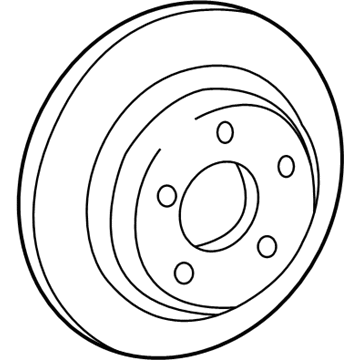
Mercedes-Benz 190E Brake Rotor Part Number: 201-421-12-12-64
Mercedes-Benz 190E Brake Rotor Part Number: 202-423-00-12-64
Mercedes-Benz 190E Brake Disc
Every OEM part goes through strict quality checks. The checks keep you safe and make Brake Disc tough. They keep performance the same as your original parts. If your Mercedes-Benz 190E needs OEM parts, visit our catalog. You will find extensive genuine Mercedes-Benz 190E parts. We offer a wide selection at competitive prices, and with clear fit details and simple guidance, choosing what you need is effortless. Each of our parts has a manufacturer's warranty. You will like our simple return policy. We pack and ship fast, and you get your order quickly. Shopping here feels easy and enjoyable.
Mercedes-Benz 190E Brake Disc Parts and Q&A
- Q: What should be noted before starting work on Brake Disc regarding the dangers of asbestos dust on Mercedes-Benz 190E?A:Before starting work, be aware of the dangers of asbestos dust. If either disc requires renewal, both should be renewed simultaneously to ensure even and consistent braking, and new brake pads should also be fitted. Firmly chock the front wheels, then jack up the rear of the car and support it on axle stands. Remove the appropriate rear roadwheel and inspect the disc. Note that there is only one disc locating pin; ensure the parking brake is fully released before attempting to remove the disc. If the disc remains tight on the shoes with the brake fully released, slacken the parking brake adjustment. Upon completion, adjust the parking brake and test the operation of the braking system thoroughly before bringing the vehicle back into service on the public highway.
- Q: What should be noted before starting work on the inspection and removal of brake discs on Mercedes-Benz 190E?A:Familiarize yourself with the dangers of asbestos dust before going to work. When one of the brake disc needs a replacement, both of them should be replaced together so that they can provide proper and consistent braking with new brake pads. Start by using jack (and parking brake up supporting axle stands) to lift the front of the vehicle and put it on axle supports, and then remove the relevant front roadwheel. Spin the brake disc to examine each side; it may be better to take off the brake pads. Light scoring is normal, whilst heavy scoring or cracks means that the material requires renourishing. There can be some lip of loose rust and brake dust along the rim of the disc, which can be scraped off, but when solid material has grown up as the result of overwear, measure the disc thickness with a micrometer at various locations. When the disc is thought to be warped, look for run-out after reducing wheel bearing play as a possibility. To measure run-out, large washers under two wheel bolts are placed over the hub, connected to the hub by the disc, and the clearance between the disc and a reference point is measured during rotation of the disc. Look at the disc, checking cracks, etc., replacing as needed. To take off, loosen the bolts that fix the Brake Caliper mounting bracket and pull the caliper to the disc to fix it without straining the hydraulic Brake Hose. Take off the screw holding the brake disc to the hub and discard it because you will need another one to be refitted. When the disc is tight, tap the back of the disc with a mallet, lightly. Clean the threads of the caliper bolt hole and the disc retaining screw threads, cleaning a mating surface, and check that a mating surface is flat and clean. Install the disc into the hub, so that the pins fit correctly, and hold it in place by a new retaining screw. Insert caliper into caliper holder over disc, put in new caliper mounting bracket bolts, tighten them. Install the roadwheel again, bring down the vehicle and fit the roadwheel bolts in a tight manner. Lastly, press the brake pedal a series of times until normal pressure is restored and evaluate the braking system by working it through the paces before returning to service.