×
- Hello
- Login or Register
- Quick Links
- Live Chat
- Track Order
- Parts Availability
- RMA
- Help Center
- Contact Us
- Shop for
- Mercedes-Benz Parts

My Garage
My Account
Cart
Genuine Mercedes-Benz C230 Battery Cables
Battery Cable- Select Vehicle by Model
- Select Vehicle by VIN
Select Vehicle by Model
orMake
Model
Year
Select Vehicle by VIN
For the most accurate results, select vehicle by your VIN (Vehicle Identification Number).
8 Battery Cables found
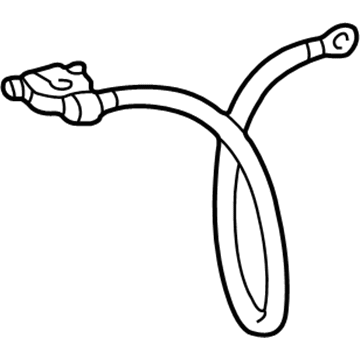
Mercedes-Benz C230 Negative Cable Part Number: 202-540-02-31
$16.71 MSRP: $23.00You Save: $6.29 (28%)Ships in 1-2 Business Days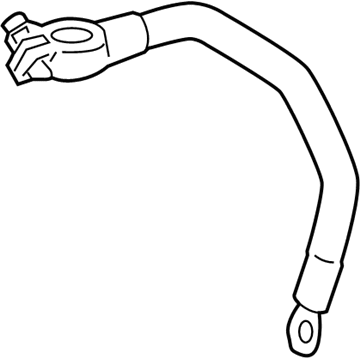
Mercedes-Benz C230 Negative Cable Part Number: 203-540-00-31
$24.40 MSRP: $33.50You Save: $9.10 (28%)Ships in 1-2 Business Days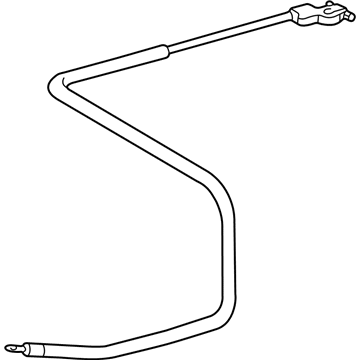
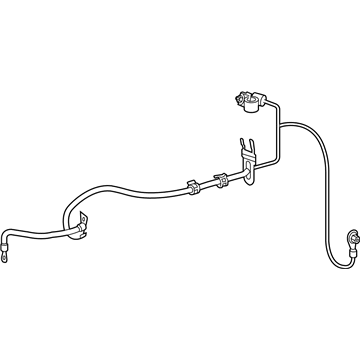
Mercedes-Benz C230 Positive Cable Part Number: 202-540-06-30
Mercedes-Benz C230 Positive Cable Part Number: 203-540-06-30
$140.40 MSRP: $195.00You Save: $54.60 (28%)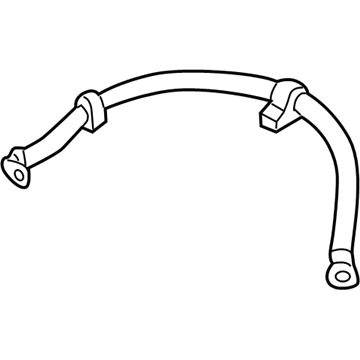
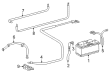
Mercedes-Benz C230 Positive Cable Part Number: 210-540-09-30
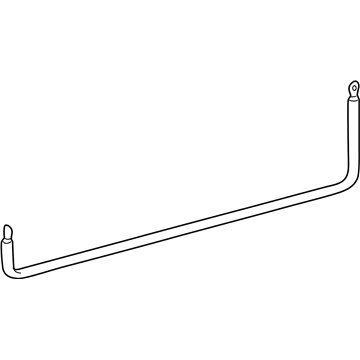
Mercedes-Benz C230 Positive Cable Part Number: 202-540-07-30
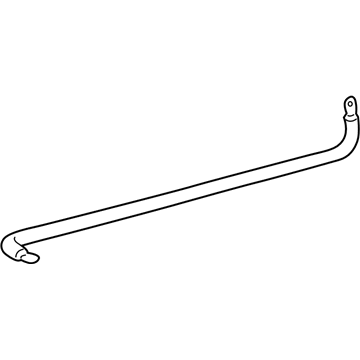
Mercedes-Benz C230 Cable Part Number: 202-540-19-30
Mercedes-Benz C230 Positive Cable Part Number: 202-540-21-30
Mercedes-Benz C230 Battery Cables
Every OEM part goes through strict quality checks. The checks keep you safe and make Battery Cables tough. They keep performance the same as your original parts. If your Mercedes-Benz C230 needs OEM parts, visit our catalog. You will find extensive genuine Mercedes-Benz C230 parts. We offer a wide selection at competitive prices, and with clear fit details and simple guidance, choosing what you need is effortless. Each of our parts has a manufacturer's warranty. You will like our simple return policy. We pack and ship fast, and you get your order quickly. Shopping here feels easy and enjoyable.
Mercedes-Benz C230 Battery Cables Parts and Q&A
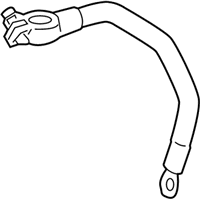
- Q: How should you check and replace battery cables on Mercedes-Benz C230?A:Periodically check the whole length of each battery cable to avoid damage, broken/burnt insulation, and corrode since improper connections may cause starting problems as well as a decrease in engine power. Inspect cable-terminal connections to look for breaks, loose wire strands, and corrosion; white fluffy deposits under insulation are a sign of corrosion and replacement is required. You should always connect the cable to the negative battery terminal first and then last, not to short by accident. Always make sure you carry the old cables when buying or the replacement is exactly the same, since the positive cables are generally red and made bigger, whereas the ground cables are made smaller and black in color. Wipe threads using a wire brush, then put light coat of corrosion inhibitor or petroleum jelly on solenoid and ground terminals to avoid future corrosion. Connect the cabling to the solenoid connection or ground connection and screw the mounting nut or bolt firmly. Make sure the new cable can be extended to the battery post without stretching, the positive cable is installed first, then the negative. To install a ground cable, take the battery cover off, disconnect the ground cable at the negative terminal and right strut tower, and reconnect on the and in reversed order. On the positive cable and Alternator/Starter cable, first disconnect the negative terminal, followed by the positive terminal, dislodge the cable grommet, and then follow the cable all the way to the starter and the alternator and disconnect. And last of all there is installation; the opposite of removal.
Related Mercedes-Benz C230 Parts
 Mercedes-Benz C230 Oil Filter
 Mercedes-Benz C230 Alternator Bearings
 Mercedes-Benz C230 Brake Pad Set
 Mercedes-Benz C230 Crankshaft Thrust Washer Set
 Mercedes-Benz C230 Door Lock Cylinder
 Mercedes-Benz C230 Door Screws
 Mercedes-Benz C230 MAP Sensor
 Mercedes-Benz C230 Rack & Pinion Bushing
 Mercedes-Benz C230 Seat Heater Switch
 Mercedes-Benz C230 Throttle Position Sensor
 Mercedes-Benz C230 Wheel Bearing