×
- Hello
- Login or Register
- Quick Links
- Live Chat
- Track Order
- Parts Availability
- RMA
- Help Center
- Contact Us
- Shop for
- Mercedes-Benz Parts

My Garage
My Account
Cart
Genuine Mercedes-Benz Crankshaft
Crank Shaft- Select Vehicle by Model
- Select Vehicle by VIN
Select Vehicle by Model
orMake
Model
Year
Select Vehicle by VIN
For the most accurate results, select vehicle by your VIN (Vehicle Identification Number).
37 Crankshafts found
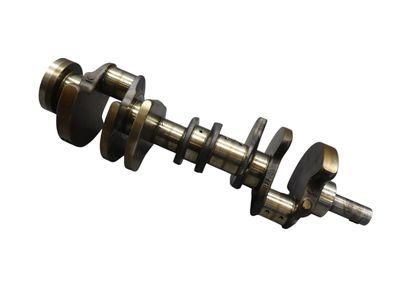
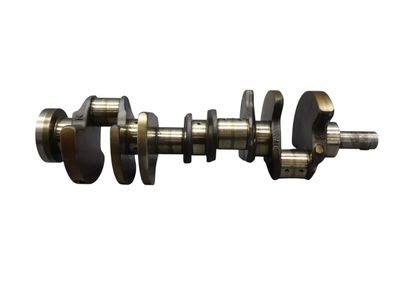
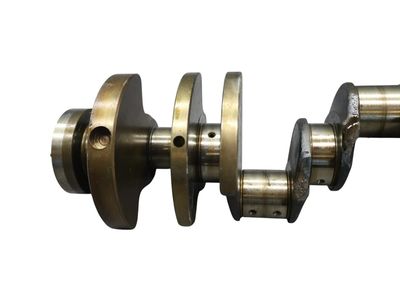
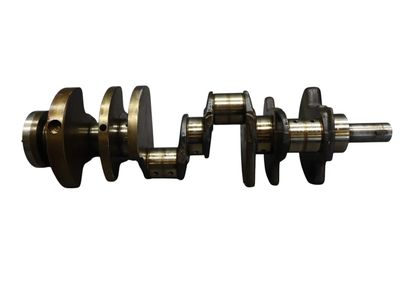
Mercedes-Benz Crankshaft Part Number: 278-030-03-01
$1047.20 MSRP: $1470.00You Save: $422.80 (29%)Ships in 1-2 Business Days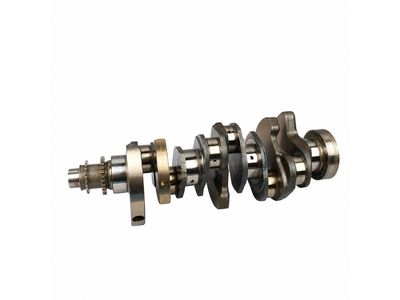
Mercedes-Benz Crankshaft Part Number: 276-030-07-01
$952.00 MSRP: $1340.00You Save: $388.00 (29%)Ships in 1-2 Business DaysProduct Specifications- Replaces: 276-030-06-01
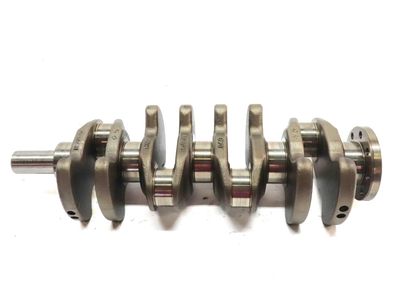
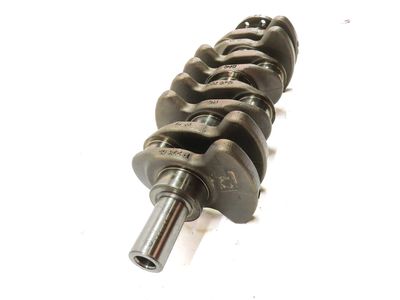
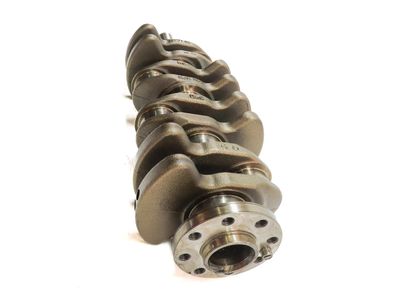
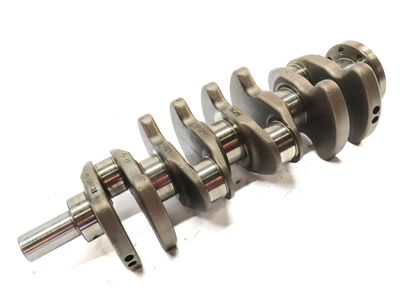
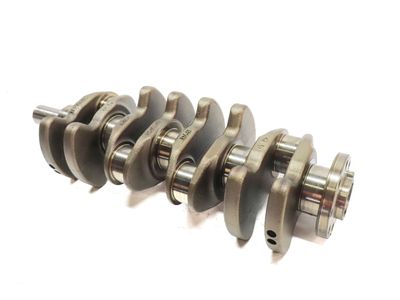
Mercedes-Benz Crankshaft Part Number: 271-030-02-01
$1237.60 MSRP: $1740.00You Save: $502.40 (29%)Product Specifications- Replaces: 271-030-01-01
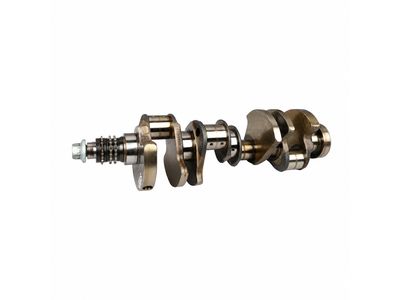
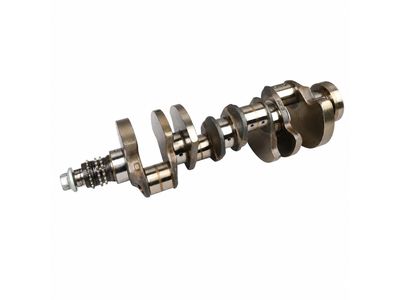
Mercedes-Benz Crankshaft Part Number: 273-030-07-01
$2153.90 MSRP: $3020.00You Save: $866.10 (29%)Ships in 1-2 Business Days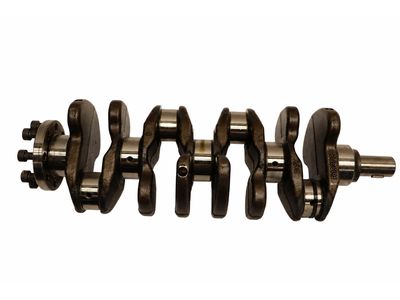
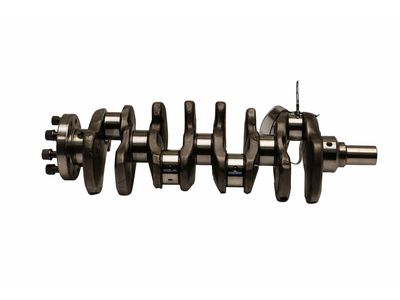
Mercedes-Benz Crankshaft Part Number: 133-030-00-01
$2689.40 MSRP: $3770.00You Save: $1080.60 (29%)Ships in 1-2 Business Days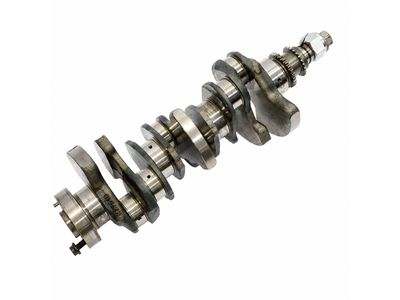
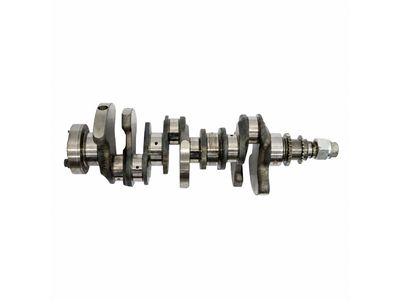
Mercedes-Benz Crankshaft Part Number: 276-030-11-01
$1416.10 MSRP: $1990.00You Save: $573.90 (29%)Ships in 1-2 Business Days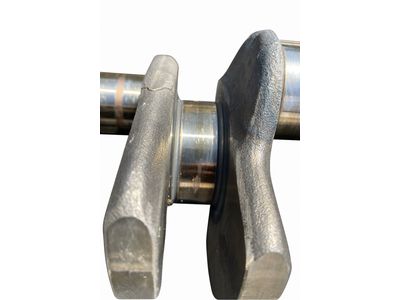
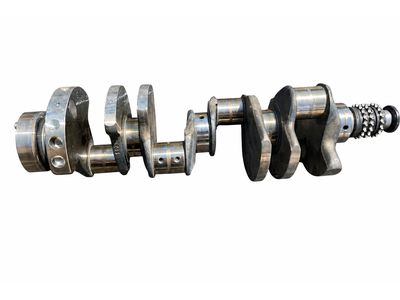
Mercedes-Benz Crankshaft Part Number: 113-030-13-01
$3808.00 MSRP: $5340.00You Save: $1532.00 (29%)Ships in 1-2 Business DaysProduct Specifications- Replaces: 113-030-03-01
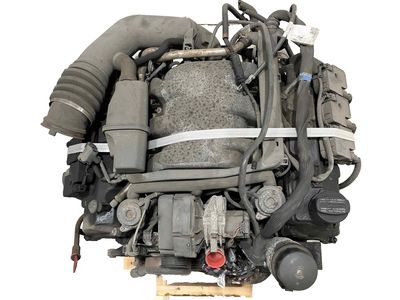
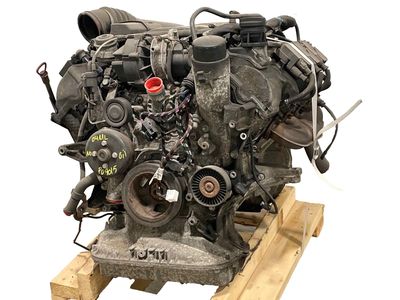
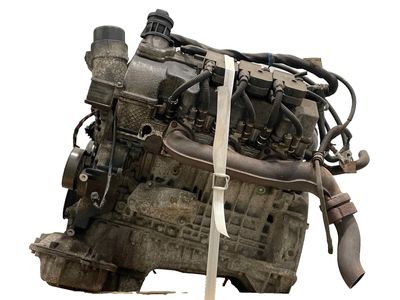
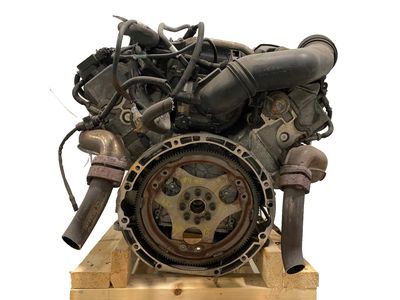
Mercedes-Benz Crankshaft Part Number: 112-030-37-01
$261.60 MSRP: $364.00You Save: $102.40 (29%)Ships in 1-2 Business Days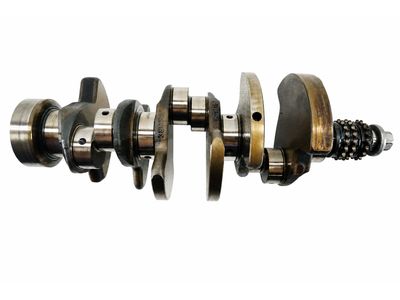
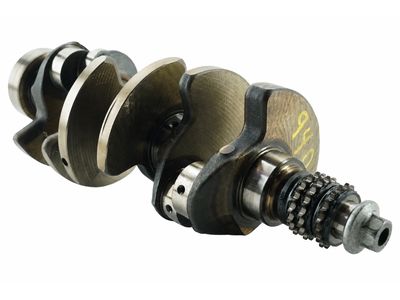
Mercedes-Benz Crankshaft Part Number: 112-030-29-01
$690.20 MSRP: $970.00You Save: $279.80 (29%)Ships in 1-2 Business Days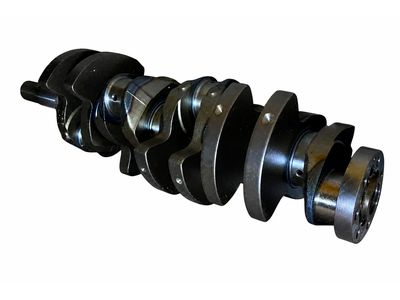
Mercedes-Benz Crankshaft Part Number: 602-030-01-01
$1026.51 MSRP: $1440.00You Save: $413.49 (29%)Ships in 1-2 Business Days
Mercedes-Benz Crankshaft Part Number: 256-030-30-00
$2308.60 MSRP: $3240.00You Save: $931.40 (29%)Ships in 1-2 Business Days
Mercedes-Benz Crankshaft Part Number: 156-030-12-01
$2472.69 MSRP: $5050.00You Save: $2577.31 (52%)Ships in 1-2 Business DaysProduct Specifications- Replaces: 156-030-11-01
Mercedes-Benz Crankshaft Part Number: 157-030-02-01
$4879.00 MSRP: $6840.00You Save: $1961.00 (29%)Ships in 1-2 Business DaysProduct Specifications- Replaces: 278-030-01-01
Mercedes-Benz Crankshaft Part Number: 112-030-32-01
$82.80 MSRP: $115.00You Save: $32.20 (28%)Ships in 1-2 Business Days
Mercedes-Benz Crankshaft Part Number: 104-031-15-01
$343.20 MSRP: $478.00You Save: $134.80 (29%)Ships in 1-2 Business DaysProduct Specifications- Replaces: 104-030-10-01
Mercedes-Benz Crankshaft Part Number: 119-030-18-01
$398.40 MSRP: $555.00You Save: $156.60 (29%)Ships in 1-2 Business DaysMercedes-Benz Crankshaft Part Number: 112-030-24-01
$690.20 MSRP: $970.00You Save: $279.80 (29%)Ships in 1-2 Business DaysMercedes-Benz Crankshaft Part Number: 601-031-11-01
$782.12 MSRP: $1100.00You Save: $317.88 (29%)Ships in 1-2 Business Days
Mercedes-Benz Crankshaft Part Number: 272-030-01-01
$821.10 MSRP: $1150.00You Save: $328.90 (29%)Ships in 1-2 Business Days
Mercedes-Benz Crankshaft Part Number: 113-030-04-01
$1059.10 MSRP: $1490.00You Save: $430.90 (29%)Ships in 1-2 Business DaysProduct Specifications- Replaces: 113-030-00-01
| Page 1 of 2 |Next >
1-20 of 37 Results
Mercedes-Benz Crankshaft
The Mercedes-Benz Crankshaft is at the very center of every engine, converting the linear power of the pistons into the rotational power that drives the wheels. Since 1926, Mercedes-Benz has combined beautiful design with progressive technology to create cars, trucks and buses that combine smooth power and digital convenience, from the voice guided MBUX infotainment suite to the flexible MB.OS platform that controls driver assistance, battery control and artificial intelligence. German engineering roots are deep, but the brand continues to keep efficiency at its optimal with energy recovery systems in its electric and hybrid range, proving that luxury can go hand in hand with sustainability and smart software. Built out of tough cast iron for normal duty or upgraded forged steel for higher-stress applications, the Crankshaft runs in polished journals in which pressurized oil keeps metal surfaces separated and vibration low. Connecting rods clamp onto its offset throws and convert every piston stroke into precise rotation, and balanced counterweights make the shaft rotate smoothly at thousands of revolutions per minute. Because this part bears a permanent load, precise metallurgy and geometry ensure that engines are protected from wear, unpleasant knocks and remain serviceable for longer across the entire range, eventually ensuring the reliable thrust and refined feel drivers have come to expect anytime they step on the accelerator.
Genuine parts are built to last. These components go through tough factory testing, so you can trust they will hold up over time. At MBPartsGiant.com, finding Mercedes-Benz Crankshaft is quick and simple. We keep a massive inventory in stock with low prices that are hard to beat. Just order online to get a real manufacturer's warranty with every single part. Returns won't be a headache either, thanks to our no-hassle policy. If you are in a rush, we provide expedited shipping to get your vehicle back on the road. Don't wait. Finish your repairs today and keep your Mercedes-Benz running like new. Explore the catalog now.
Mercedes-Benz Crankshaft Parts and Q&A
- Q:How is crankshaft endfloat checked on Mercedes-Benz 190E?A:To test the crankshaft endfloat, have a crankshaft in place but freely floating in the cylinder block or crankcase. While determining the endfloat, hold a dial gauge and press the crankshaft fully in any direction and set the gauge to zero, and then press the crankshaft fully in the other direction. Divide the result against the amount mentioned to see whether new thrustwasher halves are required, but all thrustwashers must be the same thickness. In some types of engines, feeler blades can be used to check the spacing between the crankpin web, and thrustwasher halves, when no dial gauge is available. To check, wipe the crankshaft with paraffin or any other solvent and make sure that the oil holes are clear. Inspect the big-end and main bearing journals regarding wear, scoring, pitting and cracking. Wear of big-end bearings can create metallic knock and loss of oil pressure, whereas bearings on the main bearers can create serious vibration and rumble, and the main bearer wear increases rapidly with higher engine speed. Be sure to check the bearing journal which requires roughness means that the journal needs to be regrinded or renewed. Unless the crankshaft has been reground, check the burrs on its surroundings detect the oil holes and clean them up. Check main and big-end bearing journals diameter, repeat measures with a micrometer checking out-of-roundness, and taper. Check the contact surfaces of oil seals; any deep grooves may require specialist attention by way of repairing or replacing. Assuming that the journals have not been reground, they may be reconditioned by means of oversize shells; otherwise they may be worn out, and it may be found advisable to renew them, more details being inquired of a dealer or an expert in the engine anyway.
- Q:How is the crankshaft removed and installed on Mercedes-Benz C230?A:A crankshaft may not be removed until after the engine itself is removed out of the car, and the flywheel, crankshaft pulley, oil pan, and piston assemblies are all removed. Measure crankshaft endplay with dial indicator installed in horizontal alignment with crankshaft, before removal. Raise the crankshaft at the rear, zero the incidence and raise it at the front to test the indicator, which should be about 0.003 to 0.010 inch. In the event that a dial indicator is not available, clearance may be determined by use of feeler gauges. Sharpen the main bearing overcap bolt(s) slowly then loosen them; pull the caps off very carefully, tapping with a soft hammer, being careful not to drop the bearing inserts. With as much caution as possible, remove the crankshaft, hopefully with help and replace the main bearing caps with the arrows toward the front. To install the engine, check the cleanliness and look of the engine block and the crankshaft. Place the block in the inverted position and take off main bearing cap and wash the surfaces of the bearing. Install new upper main bearings in the block with the holes of oils aligning and install some lower inserts in the caps. Measure the oil clearance with Plastigage and the oil clearance must be between 0.0015 and 0.0023 inch. When there is an error in finding the clearance, ensure that the area is clear, and use alternative bearing sizes where applicable. Once all traces of Plastigage have been removed applying a greasy sheen in the bearing surfaces and faces of the thrust is recommended and the crankshaft lifted back into position. Install main bearing caps with clean oil on the bolt threads and tighten to required torque. Check crankshaft endplay again and verify that crankshaft turns with little torque. Install the new rear main oil seal lastly.
Related Mercedes-Benz Parts
 Mercedes-Benz Engine Cover
 Mercedes-Benz Timing Chain Tensioner
 Mercedes-Benz Oil Pump
 Mercedes-Benz Crankshaft Gear
 Mercedes-Benz Engine Mount Torque Strut
 Mercedes-Benz Engine Oil Cooler
 Mercedes-Benz Oil Filler Cap
 Mercedes-Benz Oil Pan Baffle
 Mercedes-Benz Rod Bearing
 Mercedes-Benz Timing Cover Gasket
 Mercedes-Benz Valve Cover
 Mercedes-Benz Valve Spring
Browse by Model
190D Crankshaft 190E Crankshaft C230 Crankshaft C240 Crankshaft C250 Crankshaft C280 Crankshaft C300 Crankshaft C32 AMG Crankshaft C350 Crankshaft C400 Crankshaft C43 AMG Crankshaft C450 AMG Crankshaft C63 AMG Crankshaft C63 AMG S Crankshaft C63 AMG S E Performance Crankshaft CL500 Crankshaft CL550 Crankshaft CL600 Crankshaft CL63 AMG Crankshaft CL65 AMG Crankshaft CLA45 AMG Crankshaft CLK350 Crankshaft CLK430 Crankshaft CLK500 Crankshaft CLK550 Crankshaft CLK63 AMG Crankshaft CLS400 Crankshaft CLS500 Crankshaft CLS55 AMG Crankshaft CLS550 Crankshaft CLS63 AMG Crankshaft CLS63 AMG S Crankshaft E300 Crankshaft E320 Crankshaft E350 Crankshaft E400 Crankshaft E420 Crankshaft E43 AMG Crankshaft E430 Crankshaft E450 Crankshaft E500 Crankshaft E55 AMG Crankshaft E550 Crankshaft E63 AMG Crankshaft E63 AMG S Crankshaft G500 Crankshaft G55 AMG Crankshaft G550 Crankshaft G63 AMG Crankshaft GL320 Crankshaft GL350 Crankshaft GL450 Crankshaft GL550 Crankshaft GL63 AMG Crankshaft GLA45 AMG Crankshaft GLC43 AMG Crankshaft GLE350 Crankshaft GLE400 Crankshaft GLE43 AMG Crankshaft GLE450 AMG Crankshaft GLE450 Crankshaft GLE53 AMG Crankshaft GLE53 AMG SUV Crankshaft GLE550e Crankshaft GLE63 AMG Crankshaft GLE63 AMG S Crankshaft GLK350 Crankshaft GLS450 Crankshaft GLS550 Crankshaft GLS63 AMG Crankshaft ML320 Crankshaft ML350 Crankshaft ML400 Crankshaft ML450 Crankshaft ML500 Crankshaft ML550 Crankshaft ML63 AMG Crankshaft R320 Crankshaft R350 Crankshaft R500 Crankshaft R63 AMG Crankshaft S350 Crankshaft S400 Crankshaft S420 Crankshaft S430 Crankshaft S450 Crankshaft S500 Crankshaft S55 AMG Crankshaft S550 Crankshaft S550e Crankshaft S560e Crankshaft S580e Crankshaft S600 Crankshaft S63 AMG Crankshaft S65 AMG Crankshaft SL400 Crankshaft SL43 AMG Crankshaft SL450 Crankshaft SL500 Crankshaft SL55 AMG Crankshaft SL550 Crankshaft SL600 Crankshaft SL63 AMG Crankshaft SL65 AMG Crankshaft SLC43 AMG Crankshaft SLK230 Crankshaft SLK250 Crankshaft SLK280 Crankshaft SLK32 AMG Crankshaft SLK350 Crankshaft Sprinter 2500 Crankshaft Sprinter 3500 Crankshaft Sprinter 3500XD Crankshaft