×
- Hello
- Login or Register
- Quick Links
- Live Chat
- Track Order
- Parts Availability
- RMA
- Help Center
- Contact Us
- Shop for
- Mercedes-Benz Parts

My Garage
My Account
Cart
Genuine Mercedes-Benz Thermostat
Engine Coolant Thermostat- Select Vehicle by Model
- Select Vehicle by VIN
Select Vehicle by Model
orMake
Model
Year
Select Vehicle by VIN
For the most accurate results, select vehicle by your VIN (Vehicle Identification Number).
56 Thermostats found
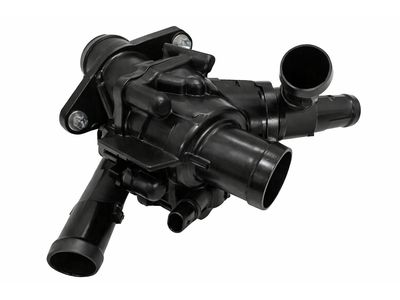
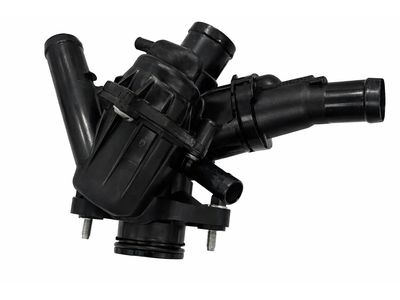
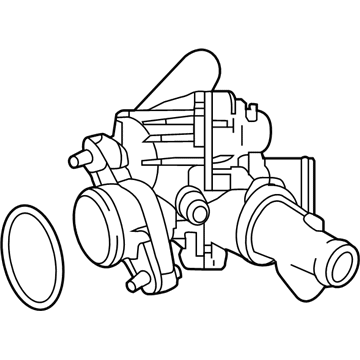
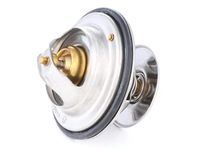
Mercedes-Benz Thermostat Unit Part Number: 270-200-22-00
$151.20 MSRP: $210.00You Save: $58.80 (28%)Ships in 1-2 Business DaysProduct Specifications- Other Name: Thermostat
- Replaces: 270-200-04-15, 270-200-06-15
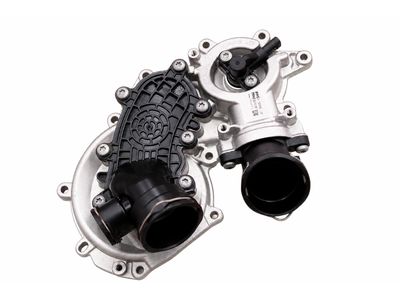
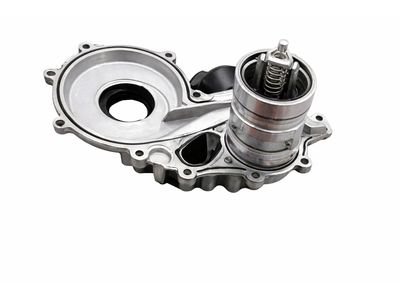
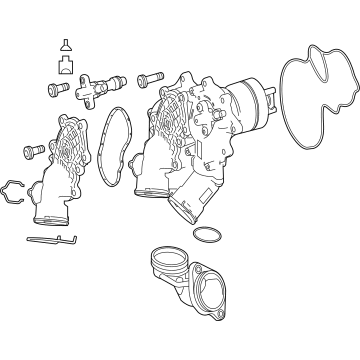
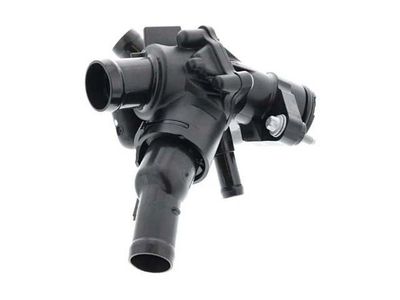
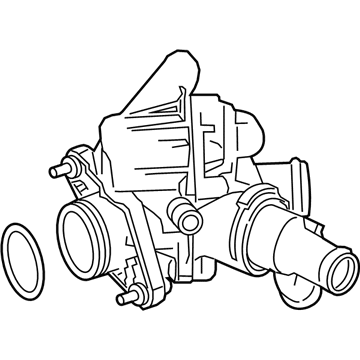
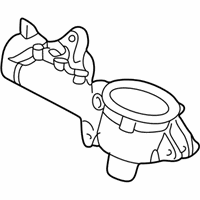
Mercedes-Benz Thermostat Housing Part Number: 177-200-88-01
$348.65 MSRP: $486.00You Save: $137.35 (29%)Ships in 1-2 Business DaysProduct Specifications- Other Name: Thermostat; Thermostat Unit
- Replaced by: 177-200-88-01-64
Mercedes-Benz Thermostat Unit Part Number: 260-200-29-00
$73.20 MSRP: $102.00You Save: $28.80 (29%)Ships in 1-2 Business DaysProduct Specifications- Other Name: Thermostat
- Replaces: 260-200-09-00, 260-200-26-00
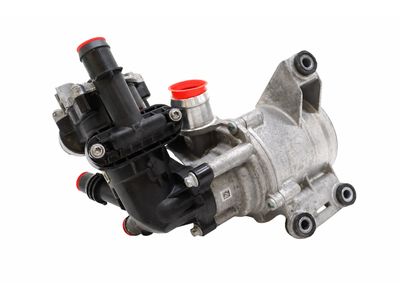
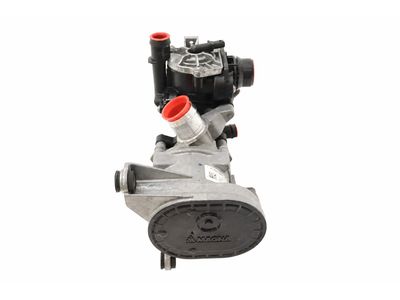
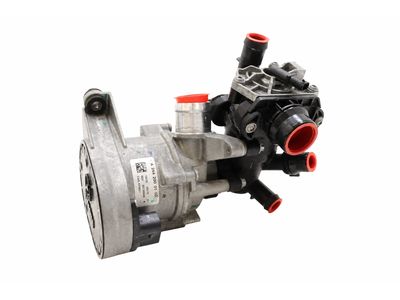
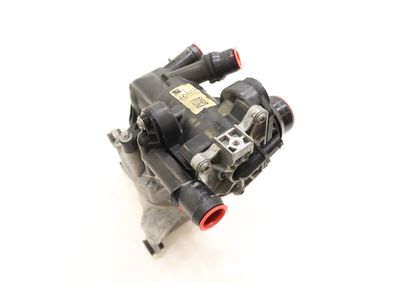
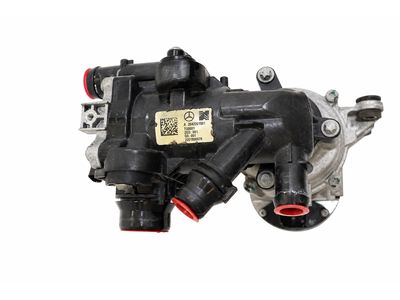
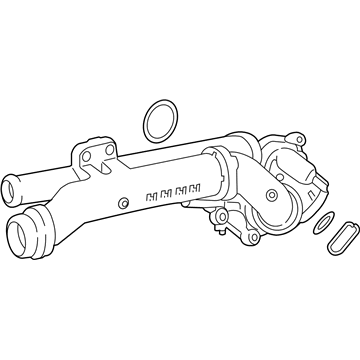
Mercedes-Benz THERMOSTAT Part Number: 264-200-39-01
$208.80 MSRP: $290.00You Save: $81.20 (28%)Ships in 1-2 Business DaysProduct Specifications- Other Name: Thermostat Housing
- Replaces: 264-200-03-00, 264-200-66-00, 264-200-15-01
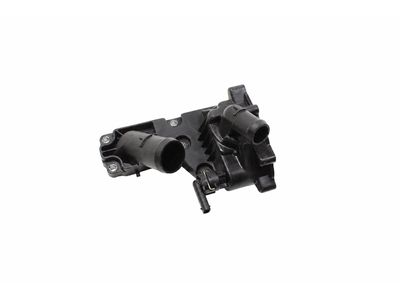
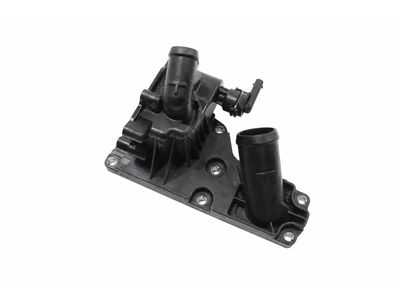
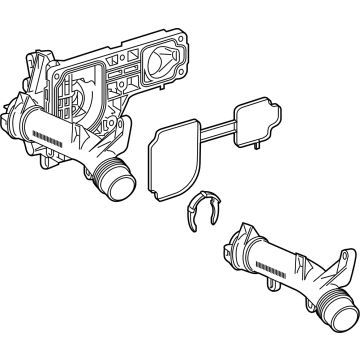
Mercedes-Benz Thermostat Part Number: 256-200-20-00
$247.20 MSRP: $344.00You Save: $96.80 (29%)Ships in 1-2 Business DaysProduct Specifications- Other Name: Thermostat Housing
- Replaces: 256-203-00-75, 256-203-37-00
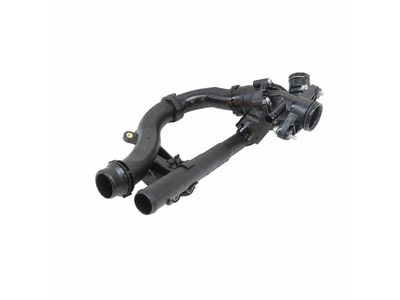
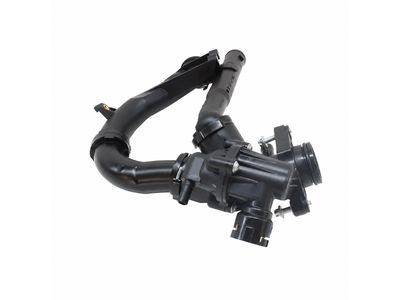
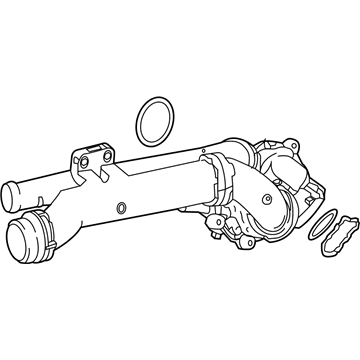
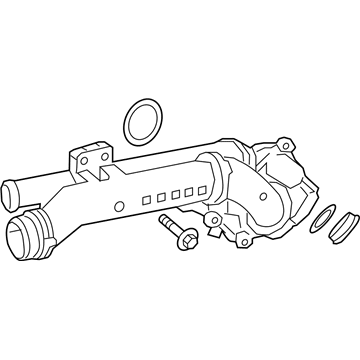
Mercedes-Benz Thermostat Unit Part Number: 274-200-31-00
$174.00 MSRP: $242.00You Save: $68.00 (29%)Product Specifications- Other Name: Thermostat
- Replaces: 274-200-01-15, 274-200-42-00
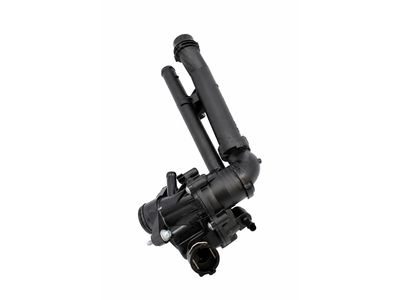
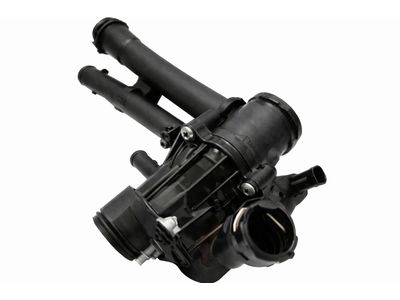
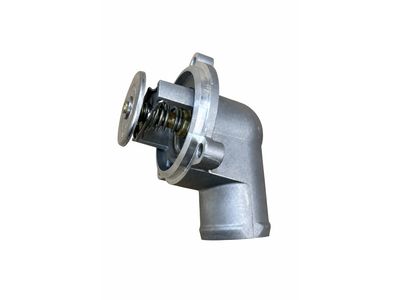
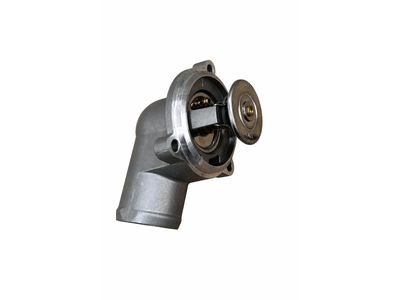
Mercedes-Benz Thermostat Unit Part Number: 274-200-33-00
$200.40 MSRP: $280.00You Save: $79.60 (29%)Product Specifications- Other Name: Thermostat
- Replaces: 274-200-06-15, 274-200-00-15
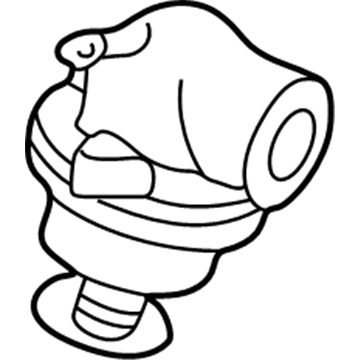
Mercedes-Benz Thermostat Part Number: 111-200-17-15
$39.00 MSRP: $55.00You Save: $16.00 (30%)Ships in 1-2 Business Days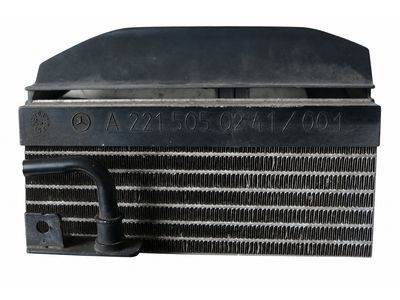
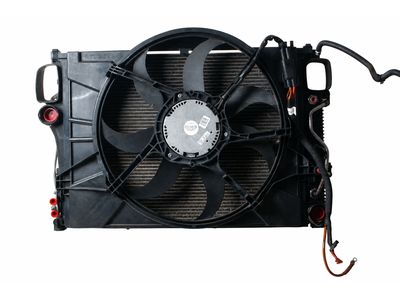

Mercedes-Benz Temperature Sensor Part Number: 000-501-07-65
$58.80 MSRP: $82.00You Save: $23.20 (29%)Product Specifications- Other Name: Thermostat
- Replaces: 000-501-08-65
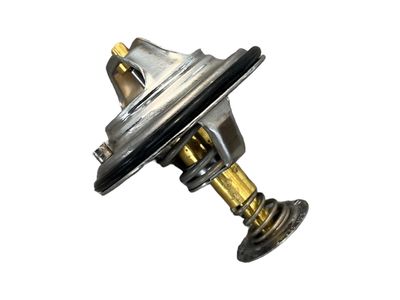
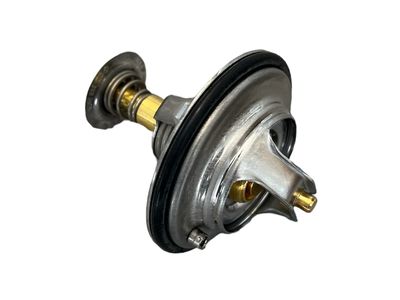
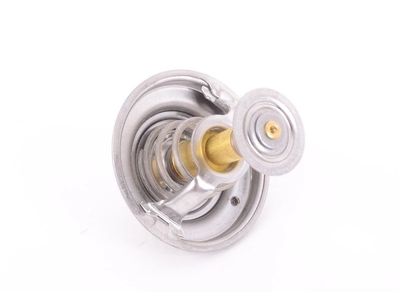
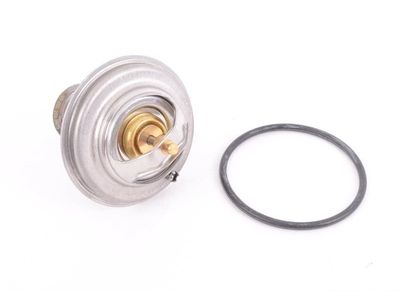

Mercedes-Benz Thermostat Part Number: 116-200-03-15
$43.20 MSRP: $60.00You Save: $16.80 (28%)Ships in 1-2 Business Days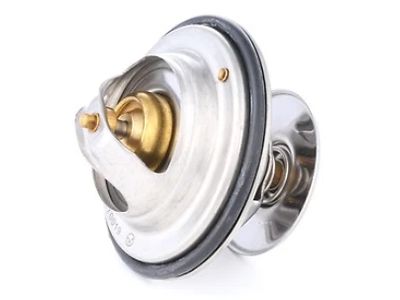
Mercedes-Benz Thermostat Part Number: 110-200-05-15
$37.20 MSRP: $52.00You Save: $14.80 (29%)Ships in 1-2 Business DaysProduct Specifications- Replaces: 002-203-37-75
Mercedes-Benz Thermostat Unit Part Number: 274-200-34-00
$171.60 MSRP: $240.00You Save: $68.40 (29%)Ships in 1-2 Business DaysProduct Specifications- Other Name: Thermostat
- Replaces: 274-200-43-00, 274-200-07-15
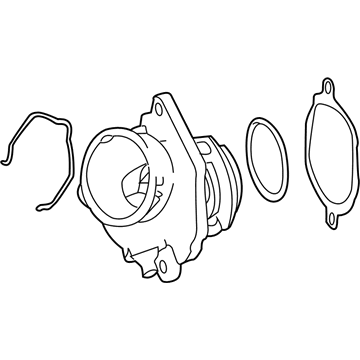
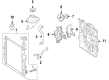
Mercedes-Benz Thermostat Unit Part Number: 272-200-04-15
$90.00 MSRP: $125.00You Save: $35.00 (28%)Product Specifications- Other Name: Coolant Thermostat; Thermostat
- Replaces: 272-200-01-15, 272-200-00-15
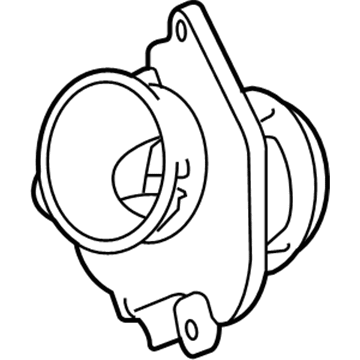
Mercedes-Benz Thermostat Housing Part Number: 272-200-05-15
$92.40 MSRP: $129.00You Save: $36.60 (29%)Ships in 1-2 Business DaysProduct Specifications- Other Name: Coolant Thermostat; Thermostat
- Replaces: 273-200-02-15

Mercedes-Benz Thermostat Housing Part Number: 112-203-02-75
$44.40 MSRP: $62.00You Save: $17.60 (29%)Ships in 1-2 Business DaysProduct Specifications- Other Name: Thermostat Element; Thermostat
- Replaces: 112-200-00-15, 112-200-00-15-28
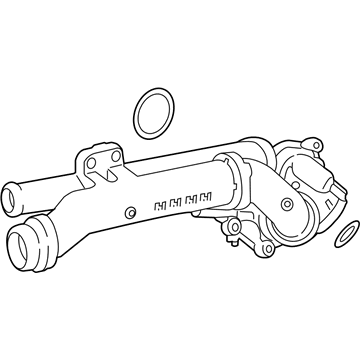
Mercedes-Benz Thermostat Part Number: 274-200-35-00
$266.40 MSRP: $370.00You Save: $103.60 (28%)Ships in 1-2 Business DaysProduct Specifications- Replaces: 274-200-13-00
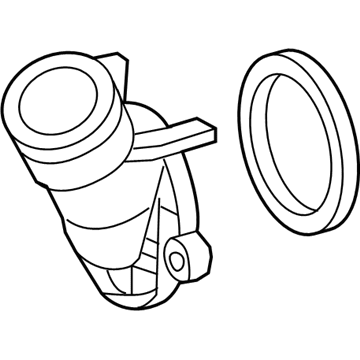
Mercedes-Benz Thermostat Unit Part Number: 113-203-03-75
$120.00 MSRP: $167.00You Save: $47.00 (29%)Ships in 1-2 Business DaysProduct Specifications- Other Name: Thermostat Element; Thermostat
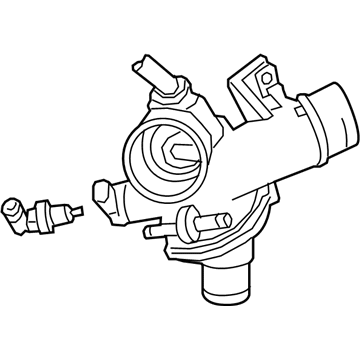
Mercedes-Benz Thermostat Part Number: 651-200-32-00-64
$106.97 MSRP: $149.00You Save: $42.03 (29%)Product Specifications- Replaces: 651-200-18-15, 651-200-10-15, 651-200-13-15, 651-200-16-00, 651-200-32-00
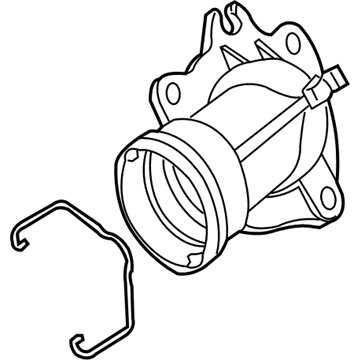
Mercedes-Benz Thermostat Part Number: 642-200-20-15
$50.60 MSRP: $71.00You Save: $20.40 (29%)Ships in 1-2 Business DaysProduct Specifications- Other Name: Coolant Thermostat
- Replaces: 642-200-02-15
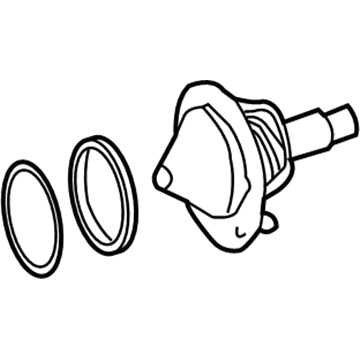
Mercedes-Benz Thermostat Part Number: 271-200-00-15
$27.06 MSRP: $37.00You Save: $9.94 (27%)Ships in 1-2 Business DaysProduct Specifications- Replaced by: 271-203-05-75
| Page 1 of 3 |Next >
1-20 of 56 Results
Mercedes-Benz Thermostat
Mercedes-Benz Thermostat maintains a constant ideal temperature in each engine, opening up or closing off the coolant path quickly so that heat rapidly rises during start-up and never gets too hot, damaging performance and durability. For the brand, Mercedes-Benz is a German pioneer born in 1926 from the vision of Karl Benz to produce elegant passenger cars, robust trucks, and versatile buses that combine timeless design with cutting-edge technology such as the voice-controlled MBUX infotainment system and the newly announced MB.OS platform to unify driver assist capabilities, battery management, and artificial intelligence while integrating smart energy recovery in its electric and hybrid lineup to prove that luxury can walk hand in hand with sustainability and digital convenience. The star emblem means trust in the rest of the world. Owners like quiet cabins and responsive handling. This compact Thermostat is located just in front of the radiator, and via a responsive wax core, it can sense the coolant temperature and within seconds modulate the flow to allow the drive motor to heat up quickly then maintain a constant flow, which in turn ensures fuel can continue to burn efficiently, oil viscosity can maintain the correct level, and cabin heaters can work as quickly as possible during cold mornings. Once the preset point is reached, it will then adjust the passage smoothly rather than flicking abruptly; this will provide drivers with a consistent amount of power and ensure the longevity of the engine across the entire product range. Its reliable design dates back decades but is still modern.
Genuine parts are built to last. These components go through tough factory testing, so you can trust they will hold up over time. At MBPartsGiant.com, finding Mercedes-Benz Thermostat is quick and simple. We keep a massive inventory in stock with low prices that are hard to beat. Just order online to get a real manufacturer's warranty with every single part. Returns won't be a headache either, thanks to our no-hassle policy. If you are in a rush, we provide expedited shipping to get your vehicle back on the road. Don't wait. Finish your repairs today and keep your Mercedes-Benz running like new. Explore the catalog now.
Mercedes-Benz Thermostat Parts and Q&A
- Q:How to remove, test, and refit a thermostat on Mercedes-Benz 190E?A:The thermostat is located in a housing bolted to the side of the coolant pump. Begin by disconnecting the battery negative cable and draining the cooling system. Detach the coolant hose from the thermostat cover by slackening the clip. Unscrew the securing bolts to remove the thermostat cover; if it is stuck, gently tap or rock it to free it without levering between the mating faces. Recover the seal and lift the thermostat from its housing, noting its orientation. To test the thermostat, suspend it in a container of water and heat the water to boiling; it should open by that point. For precise testing, use a thermometer to check the opening temperature against the specifications marked on the thermostat. A thermostat that fails to close completely as the water cools is also faulty. For refitting, clean the mating faces of the cover and housing, then place the thermostat back in, ensuring the spring-loaded side faces into the housing. On diesel models, align the thermostat rim's recess with the rib on the housing cover, while on petrol models, position the thermostat so the air bleed valve is at the highest point. Lay a new seal in position on the housing, fit the cover, and secure it with bolts tightened to the specified torque. Reconnect the coolant hose and refill the cooling system.
- Q:What should you check before assuming the thermostat is responsible for a cooling system problem on Mercedes-Benz C230?A:Probably everyone knows by the time they reach adulthood that, before assuming something is wrong in a cooling system, the first step is to look at the amount of coolant in the system, the tightness of its drive-belt, or the operation of its temperature gauge or temperature light. When it takes a long time before the engine warms up, it is possible that the thermostat has become stuck open, and should be changed. When the engine is too hot to run, or overheats, the thermostat should also be extensively tested, which in turn cannot be done unless the thermostat is out of the car. When the thermostat will not close at room temperature, it is not functioning properly, and needs to be replaced; the interim economy and the emissions of driving cars and trucks without the thermostat can be detrimental. To test a thermostat, place it in a container of cold water together with a thermometer, warm the water and record the temperature at which the thermostat starts to open and when it is completely open and compare this to the specs. In case the thermostat is not opening and closing as per specifications or becomes stuck in any position it needs replacement. To replace: drain the engine coolant, take out the trim panel and coolant hose(s) in the cover of the thermostat housing, and unbolt the housing cover. Wipe down the surfaces, replace an O-ring, and reassemble everything in reverse, also refilling and bleeding the cooling system and inspecting for leaks and correct functionality. Other procedures to be followed correspond to the type of engine to be installed; e.g., before installation, hoses must be removed, all old gaskets and sealants cleaned and serpentine belt must be removed.
Related Mercedes-Benz Parts
 Mercedes-Benz Drive Belt
 Mercedes-Benz Intercooler
 Mercedes-Benz Radiator fan
 Mercedes-Benz Cooling Hose
 Mercedes-Benz Exhaust Nut
 Mercedes-Benz Fan Motor
 Mercedes-Benz Fan Mounting Bracket
 Mercedes-Benz Fan Shroud
 Mercedes-Benz Oil Cooler Hose
 Mercedes-Benz Transmission Oil Cooler Hose
 Mercedes-Benz Water Hose
 Mercedes-Benz Water Pump Gasket
Browse by Model
190D Thermostat 190E Thermostat 300CE Thermostat 300D Thermostat 300E Thermostat 300SD Thermostat 300SE Thermostat 300SEL Thermostat 300SL Thermostat 300TE Thermostat 400E Thermostat 400SE Thermostat 400SEL Thermostat 500E Thermostat 500SEC Thermostat 500SEL Thermostat 500SL Thermostat 600SEC Thermostat 600SEL Thermostat 600SL Thermostat A220 Thermostat A35 AMG Thermostat AMG GT 43 Thermostat AMG GT 53 Thermostat AMG GT 55 Thermostat AMG GT 63 S E Performance Thermostat AMG GT 63 S Thermostat AMG GT 63 Thermostat AMG GT Black Series Thermostat AMG GT C Thermostat AMG GT R Pro Thermostat AMG GT R Thermostat AMG GT S Thermostat AMG GT Thermostat C220 Thermostat C230 Thermostat C240 Thermostat C250 Thermostat C280 Thermostat C300 Thermostat C32 AMG Thermostat C320 Thermostat C350 Thermostat C350e Thermostat C400 Thermostat C43 AMG Thermostat C450 AMG Thermostat C55 AMG Thermostat C63 AMG S E Performance Thermostat C63 AMG S Thermostat C63 AMG Thermostat CL500 Thermostat CL55 AMG Thermostat CL550 Thermostat CL600 Thermostat CL63 AMG Thermostat CL65 AMG Thermostat CLA250 Thermostat CLA35 AMG Thermostat CLA45 AMG S Thermostat CLA45 AMG Thermostat CLE300 Thermostat CLE450 Thermostat CLE53 AMG Thermostat CLK320 Thermostat CLK350 Thermostat CLK430 Thermostat CLK500 Thermostat CLK55 AMG Thermostat CLK550 Thermostat CLK63 AMG Thermostat CLS400 Thermostat CLS450 Thermostat CLS500 Thermostat CLS53 AMG Thermostat CLS55 AMG Thermostat CLS550 Thermostat CLS63 AMG S Thermostat CLS63 AMG Thermostat E250 Thermostat E300 Thermostat E320 Thermostat E350 Thermostat E400 Thermostat E420 Thermostat E43 AMG Thermostat E430 Thermostat E450 Thermostat E500 Thermostat E53 AMG Thermostat E55 AMG Thermostat E550 Thermostat E63 AMG S Thermostat E63 AMG Thermostat G500 Thermostat G55 AMG Thermostat G550 Thermostat G63 AMG Thermostat G65 AMG Thermostat GL320 Thermostat GL350 Thermostat GL450 Thermostat GL550 Thermostat GL63 AMG Thermostat GLA250 Thermostat GLA35 AMG Thermostat GLA45 AMG Thermostat GLB250 Thermostat GLB35 AMG Thermostat GLC300 Thermostat GLC350e Thermostat GLC43 AMG Thermostat GLC63 AMG S E Performance Thermostat GLC63 AMG S Thermostat GLC63 AMG Thermostat GLE300d Thermostat GLE350 Thermostat GLE400 Thermostat GLE43 AMG Thermostat GLE450 AMG Thermostat GLE450 SUV Thermostat GLE450 Thermostat GLE450e Thermostat GLE53 AMG SUV Thermostat GLE53 AMG Thermostat GLE550e Thermostat GLE580 Thermostat GLE63 AMG S SUV Thermostat GLE63 AMG S Thermostat GLE63 AMG Thermostat GLK250 Thermostat GLK350 Thermostat GLS450 Thermostat GLS550 Thermostat GLS580 Thermostat GLS63 AMG Thermostat Metris Thermostat ML250 Thermostat ML320 Thermostat ML350 Thermostat ML400 Thermostat ML430 Thermostat ML450 Thermostat ML500 Thermostat ML55 AMG Thermostat ML550 Thermostat ML63 AMG Thermostat R320 Thermostat R350 Thermostat R500 Thermostat R63 AMG Thermostat S320 Thermostat S350 Thermostat S400 Thermostat S420 Thermostat S430 Thermostat S450 Thermostat S500 Thermostat S55 AMG Thermostat S550 Thermostat S550e Thermostat S560 Thermostat S560e Thermostat S580 Thermostat S580e Thermostat S600 Thermostat S63 AMG E Performance Thermostat S63 AMG Thermostat S65 AMG Thermostat SL320 Thermostat SL400 Thermostat SL43 AMG Thermostat SL450 Thermostat SL500 Thermostat SL55 AMG Thermostat SL550 Thermostat SL600 Thermostat SL63 AMG S E Performance Thermostat SL63 AMG Thermostat SL65 AMG Thermostat SLC300 Thermostat SLC43 AMG Thermostat SLK230 Thermostat SLK250 Thermostat SLK280 Thermostat SLK300 Thermostat SLK32 AMG Thermostat SLK320 Thermostat SLK350 Thermostat SLK55 AMG Thermostat Sprinter 1500 Thermostat Sprinter 2500 Thermostat Sprinter 3500 Thermostat Sprinter 3500XD Thermostat