×
- Hello
- Login or Register
- Quick Links
- Live Chat
- Track Order
- Parts Availability
- RMA
- Help Center
- Contact Us
- Shop for
- Mercedes-Benz Parts

My Garage
My Account
Cart
Genuine Mercedes-Benz Turbocharger
Turbo- Select Vehicle by Model
- Select Vehicle by VIN
Select Vehicle by Model
orMake
Model
Year
Select Vehicle by VIN
For the most accurate results, select vehicle by your VIN (Vehicle Identification Number).
100 Turbochargers found
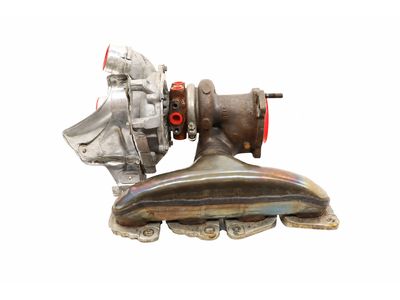
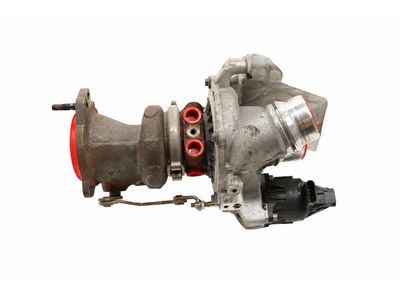
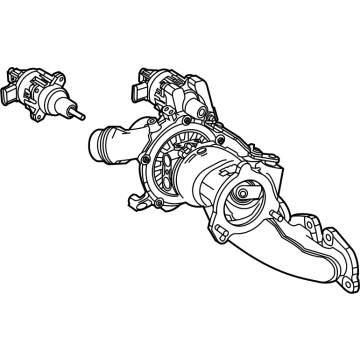
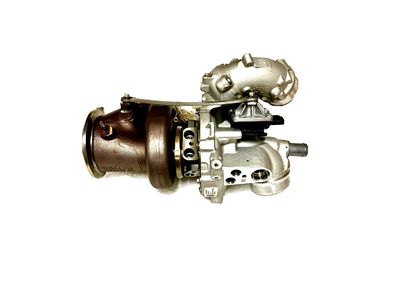
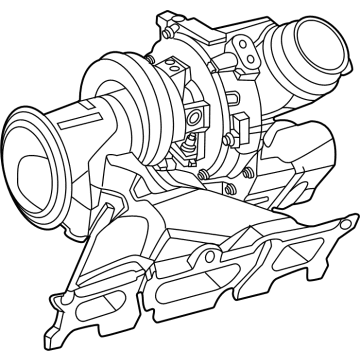
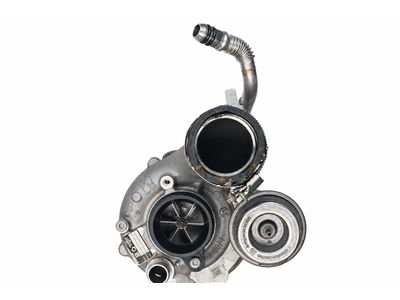
Mercedes-Benz REMAN EXHAUST GAS TURBOCHARGER Part Number: 260-090-25-00-80
$3039.60 MSRP: $4230.00You Save: $1190.40 (29%)Ships in 1-2 Business DaysProduct Specifications- Other Name: Turbocharger
- Replaced by: 260-090-25-00
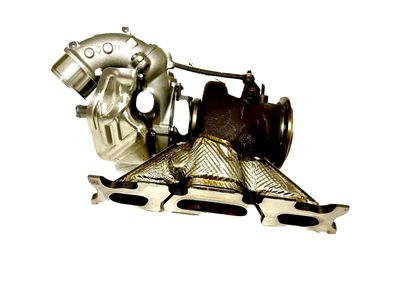
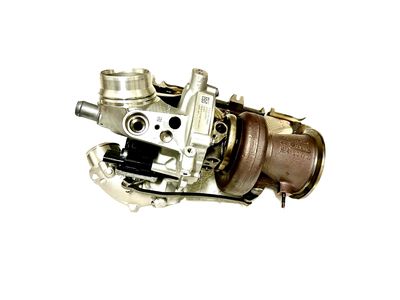
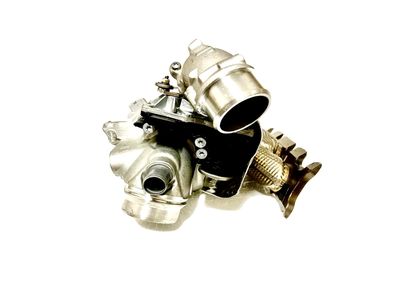
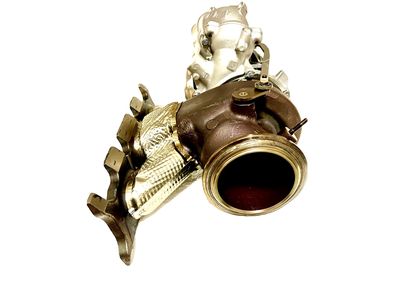
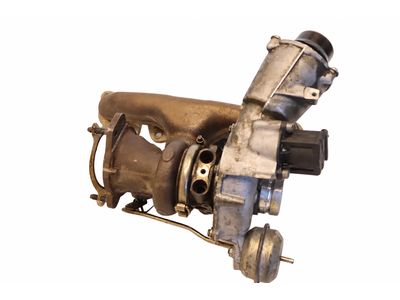
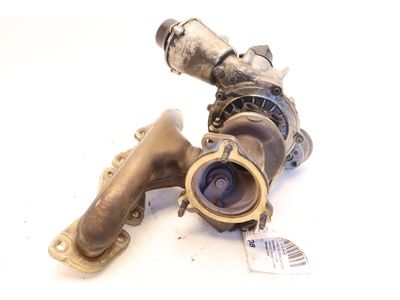
Mercedes-Benz EXHAUST GAS TURBOCHARGER Part Number: 254-090-62-00
$3084.00 MSRP: $4290.00You Save: $1206.00 (29%)Ships in 1-2 Business DaysProduct Specifications- Other Name: Turbocharger
- Replaces: 254-090-34-00, 254-090-51-00, 254-090-55-00
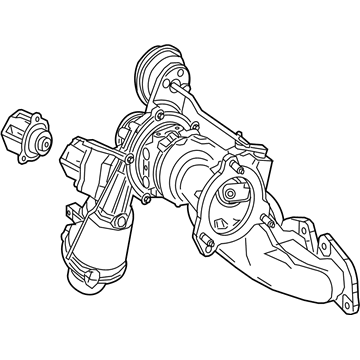
Mercedes-Benz Turbocharger Part Number: 270-090-29-80-80
$1702.80 MSRP: $2370.00You Save: $667.20 (29%)Ships in 1-2 Business DaysProduct Specifications- Other Name: Reman Turbocharger
- Replaced by: 270-090-29-80
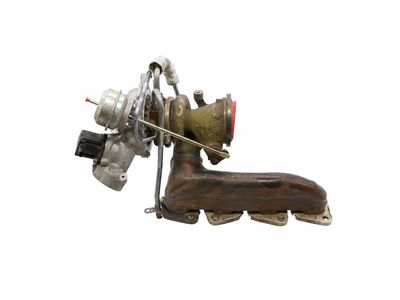
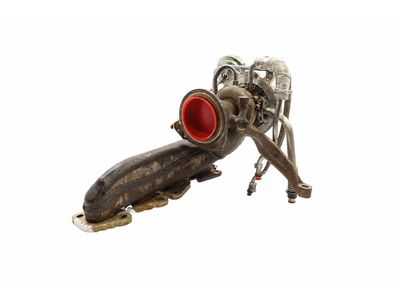
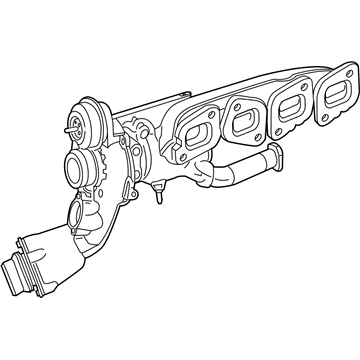
Mercedes-Benz Turbocharger Part Number: 274-090-32-80-80
$4283.48 MSRP: $5950.00You Save: $1666.52 (29%)Product Specifications- Other Name: Reman Turbocharger
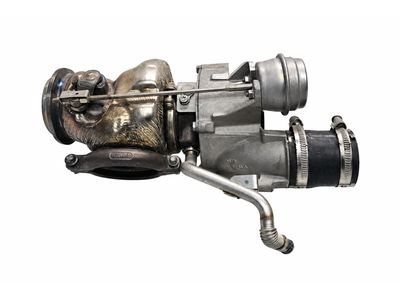
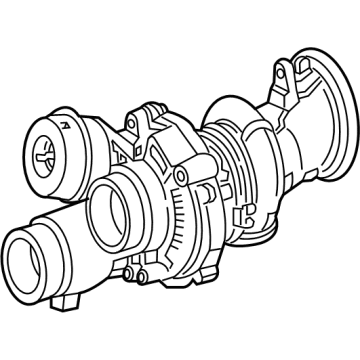
Mercedes-Benz Turbocharger Part Number: 177-090-56-02
$4536.00 MSRP: $6300.00You Save: $1764.00 (28%)Ships in 1-2 Business DaysProduct Specifications- Other Name: Exhaust Gas Turbocharger
- Position: Driver Side
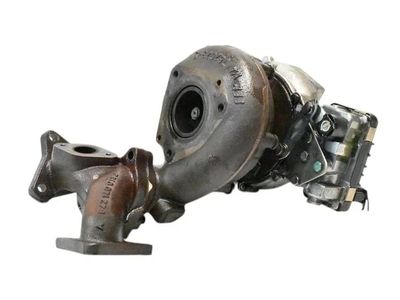
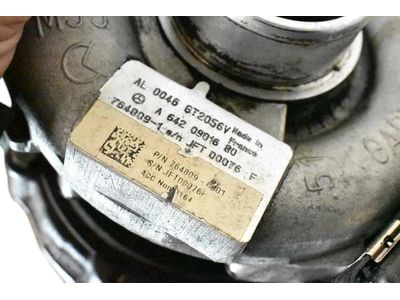
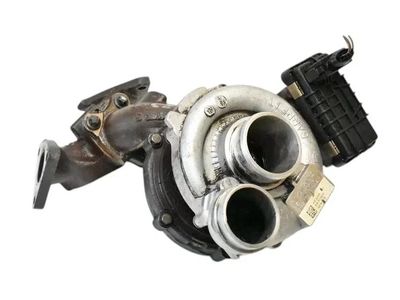
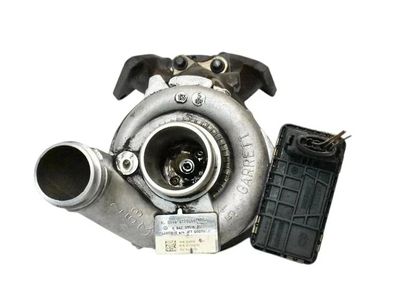
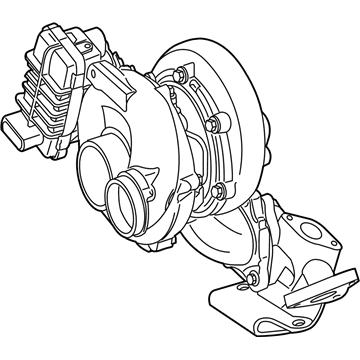
Mercedes-Benz Turbocharger Part Number: 642-090-23-80
$3029.25 MSRP: $4202.00You Save: $1172.75 (28%)Product Specifications- Replaced by: 642-090-86-80
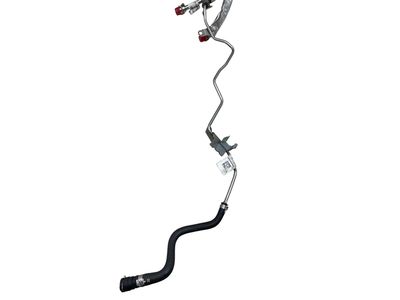
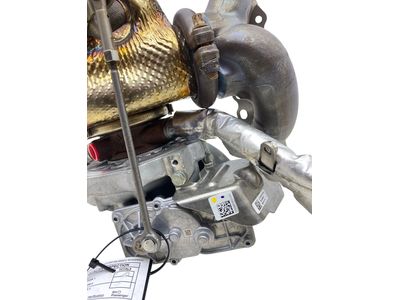
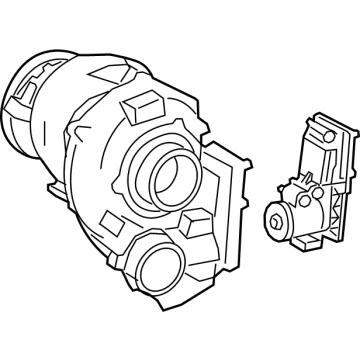
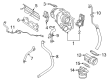
Mercedes-Benz Turbocharger Part Number: 139-090-35-00
$4020.00 MSRP: $5590.00You Save: $1570.00 (29%)Ships in 1-2 Business DaysProduct Specifications- Other Name: Exhaust Gas Turbocharger
- Replaces: 139-090-35-00-05, 139-090-35-00-80
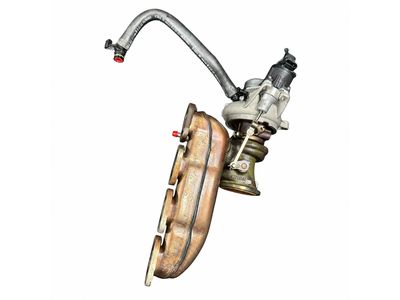
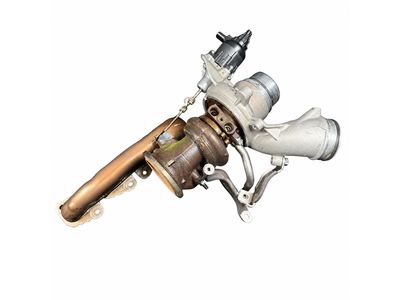
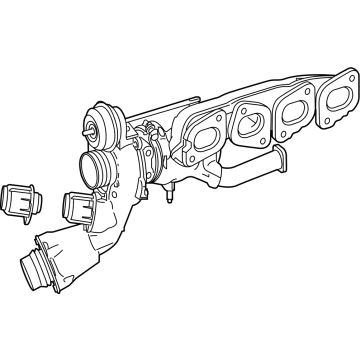
Mercedes-Benz Turbocharger Part Number: 264-090-37-00
$1629.60 MSRP: $2270.00You Save: $640.40 (29%)Ships in 1-2 Business DaysProduct Specifications- Other Name: Exhaust Gas Turbocharger
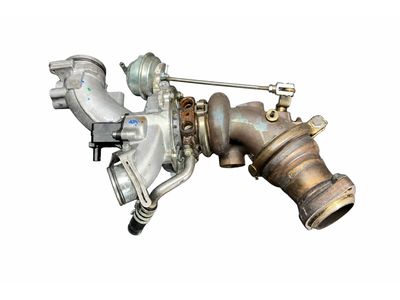
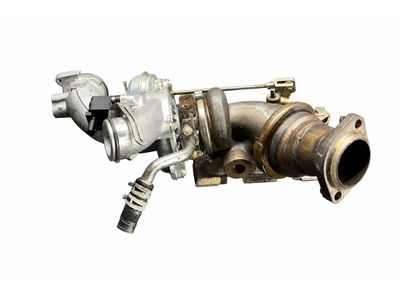
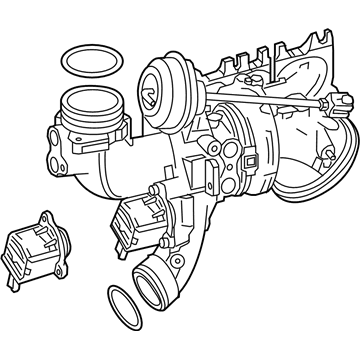
Mercedes-Benz Turbocharger Part Number: 276-090-19-00
$2745.60 MSRP: $3820.00You Save: $1074.40 (29%)Ships in 1-2 Business DaysProduct Specifications- Position: Driver Side
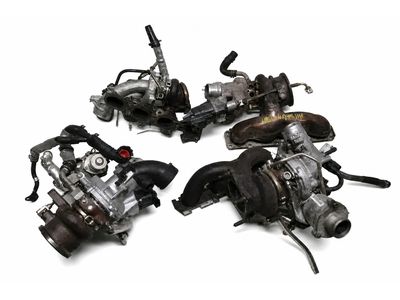
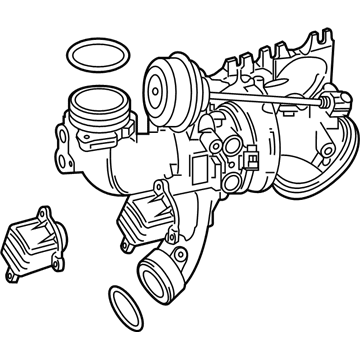
Mercedes-Benz Turbocharger Part Number: 276-090-16-80
$2820.00 MSRP: $3920.00You Save: $1100.00 (29%)Ships in 1-2 Business DaysProduct Specifications- Position: Passenger Side
- Replaces: 276-090-16-80-80
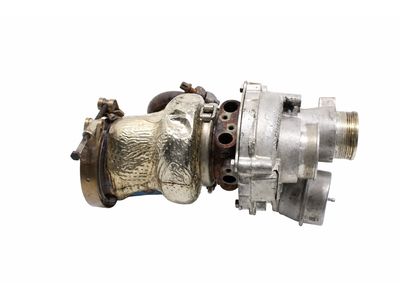
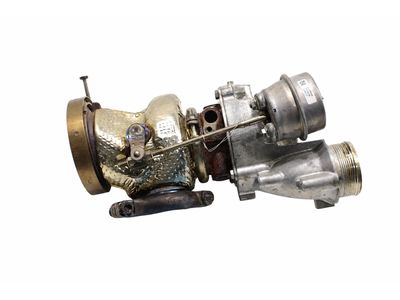
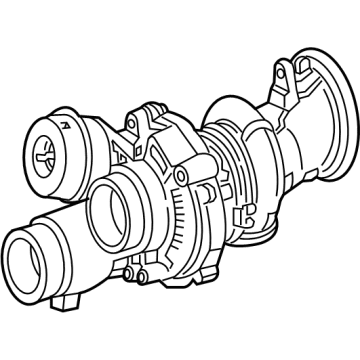
Mercedes-Benz Turbocharger Part Number: 177-090-35-00
$3567.60 MSRP: $4960.00You Save: $1392.40 (29%)Ships in 1-2 Business DaysProduct Specifications- Replaces: 177-090-35-00-80
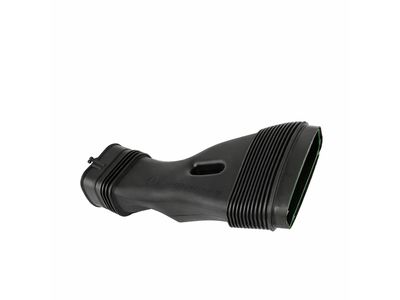
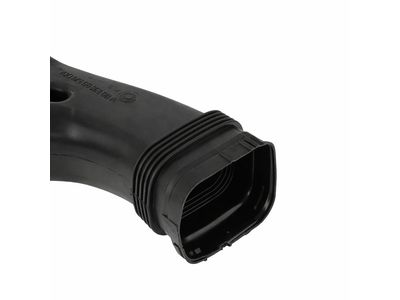
Mercedes-Benz EXHAUST GAS TURBOCHARGER Part Number: 276-090-35-80
$3112.80 MSRP: $4330.00You Save: $1217.20 (29%)Ships in 1-2 Business DaysProduct Specifications- Other Name: Turbocharger
- Position: Driver Side
- Replaced by: 276-090-17-80
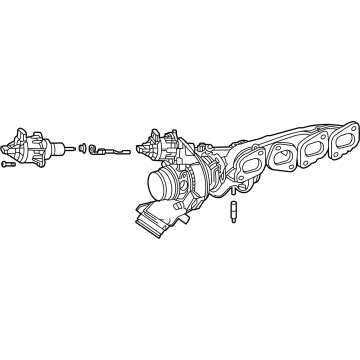
Mercedes-Benz Exchange Turbocharger Part Number: 264-090-13-00
$1702.80 MSRP: $2370.00You Save: $667.20 (29%)Ships in 1-2 Business DaysProduct Specifications- Other Name: Turbocharger
- Replaces: 264-090-13-00-80
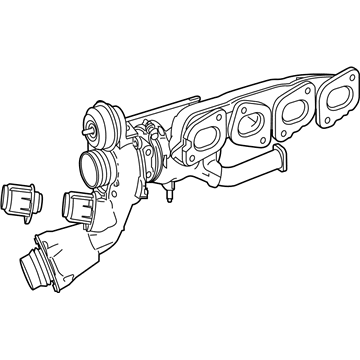
Mercedes-Benz Turbocharger Part Number: 276-090-32-80
$2006.40 MSRP: $2790.00You Save: $783.60 (29%)Ships in 1-2 Business DaysProduct Specifications- Other Name: Exchange Turbocharger
- Position: Passenger Side
- Replaces: 276-090-32-80-80, 276-090-14-80-80, 276-090-14-80
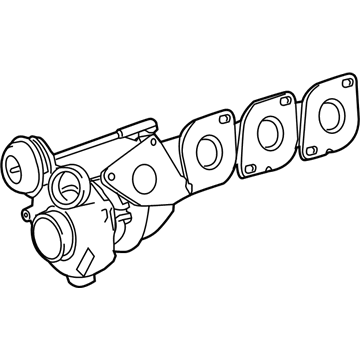
Mercedes-Benz Turbocharger Part Number: 274-090-41-00
$3343.20 MSRP: $4650.00You Save: $1306.80 (29%)Ships in 1-2 Business DaysProduct Specifications- Other Name: Exhaust Gas Turbocharger
- Replaces: 274-090-35-00
Mercedes-Benz Turbocharger Part Number: 278-090-30-80
$4744.80 MSRP: $6590.00You Save: $1845.20 (28%)Ships in 1-2 Business DaysProduct Specifications- Position: Passenger Side
- Replaced by: 157-090-08-80
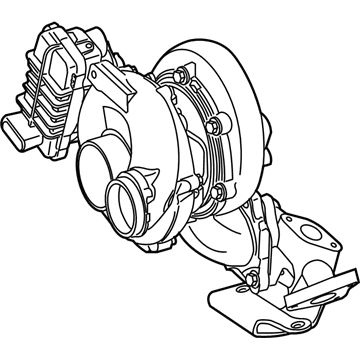
Mercedes-Benz Turbocharger Part Number: 642-090-21-80
$3029.25 MSRP: $4202.00You Save: $1172.75 (28%)Ships in 1-2 Business DaysProduct Specifications- Replaced by: 642-090-86-80
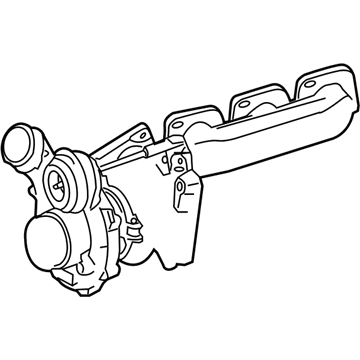
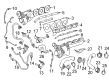
Mercedes-Benz Turbocharger Part Number: 157-090-07-80-80
$2925.60 MSRP: $4070.00You Save: $1144.40 (29%)Ships in 1-2 Business DaysProduct Specifications- Other Name: Reman Turbocharger
- Position: Driver Side
- Replaced by: 157-090-07-80
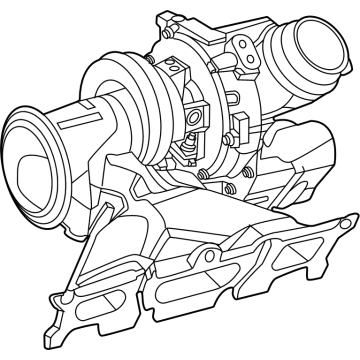
Mercedes-Benz EXHAUST GAS TURBOCHARGER Part Number: 254-090-82-00
$3000.00 MSRP: $4170.00You Save: $1170.00 (29%)Ships in 1-2 Business DaysProduct Specifications- Other Name: Turbocharger
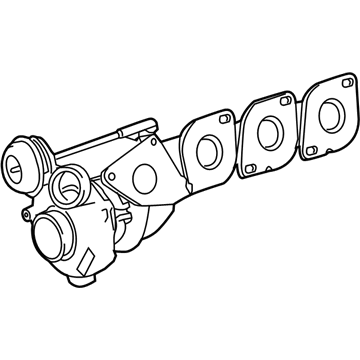
Mercedes-Benz Turbocharger Part Number: 157-090-08-80-80
$4744.80 MSRP: $6590.00You Save: $1845.20 (28%)Ships in 1-2 Business DaysProduct Specifications- Other Name: Reman Turbocharger
- Position: Passenger Side
- Replaced by: 157-090-08-80
| Page 1 of 5 |Next >
1-20 of 100 Results
Mercedes-Benz Turbocharger
Mercedes-Benz Turbocharger harnesses the stored energy of the exhaust to ram additional oxygen into the engine, providing faster acceleration while keeping fuel bills and emissions in check for drivers throughout the entire lineup. Founded in 1926 and based in Germany, Mercedes-Benz has evolved into a symbol of luxury that incorporates both traditional elegance and progressive thinking technology, from the voice-guided MBUX infotainment system to the flexible MB.OS platform to manage batteries, driver assist features, and artificial intelligence. The company also pours research into energy recovery for its electrified cars, giving a clear commitment to efficiency and sustainability, and its cars are distinctive on the roads for their sculpted styling, rock-solid build, and user-friendly digital cabins that make the process of daily travel special. Every Turbocharger fitted to these cars bears a compact two-stage design where a turbine wheel spun by hot exhaust gases turns a compressor wheel in the opposite direction, which forces pressurized air into the cylinders, providing powerful boosts without any mechanical drag. Modern units often use twin-scroll housings, along with intelligent vane geometry, to improve low-speed response, and some concepts add small electric motors that instantly spin the shaft to reduce the lag to almost zero. The outcome is greater torque, improved mileage, and cleaner exhaust on both petrol and diesel options, building the brand's reputation for its balanced performance.
Genuine parts are built to last. These components go through tough factory testing, so you can trust they will hold up over time. At MBPartsGiant.com, finding Mercedes-Benz Turbocharger is quick and simple. We keep a massive inventory in stock with low prices that are hard to beat. Just order online to get a real manufacturer's warranty with every single part. Returns won't be a headache either, thanks to our no-hassle policy. If you are in a rush, we provide expedited shipping to get your vehicle back on the road. Don't wait. Finish your repairs today and keep your Mercedes-Benz running like new. Explore the catalog now.
Mercedes-Benz Turbocharger Parts and Q&A
- Q:What are the key considerations and symptoms to monitor for maintaining a turbocharger on Mercedes-Benz 300TD?A:The relative simplicity of the turbocharge is a precision device which can take a great deal of punishment with a cut-off ot omitted oil feed, and loose fitting and damaged ducting. A dealer should check suspected problems because of the specialized tools and equipment that work with them, however, a home mechanic could examine the connections and linkages to check their security, damage, or apparent faultiness. The sound of any turbocharger is peculiar, and any alteration in the sound level can become a symptom of something wrong. A whistling or high-pitched sound will indicate leaking of inlet air or exhaust gas through the air ducting that passes over the air cleaner to the end connected to the exhaust manifold that has become loose or has been punctured by an object, a low engine power will be an indication that the air ducting between the air cleaner and the connection of the duct to the exhaust manifold has become loose or has been poked by an object. Oil in the intake or exhaust or white exhaust smoke is an indication of a broken internal seal in the turbocharger. Should there be unusual sounds in the turbine region, the ducting may be removed, thus enabling an inspection to be made of the turbine wheel which should turn freely; a binding will show that the cooling oil has become sludged up, or coked due to overheating. Cracks and loose fittings on the exhaust manifold also need to be inspected. Since the turbine can efficiently reach 140000 rPM, any break in the oil supply or pollution to the oil bearing shafts can cause serious damage therefore it should be noted that leaks in the oil return pipe and a blockage that may cost the turbine a significant amount of oil via the turbocharger seals can result in a clear sign of burned oil on the turbine housing. Moreover, whenever changing a large engine bearing, it is always necessary to empty the turbocharger with clean oil.

Related Mercedes-Benz Parts
 Mercedes-Benz Air Filter
 Mercedes-Benz Intake Manifold
 Mercedes-Benz Idle Control Valve
 Mercedes-Benz Throttle Body
 Mercedes-Benz Air Filter Box
 Mercedes-Benz Crankcase Breather Hose
 Mercedes-Benz Cruise Control Servo
 Mercedes-Benz Fuel Injection Pump
 Mercedes-Benz Fuel Pump Driver Module
 Mercedes-Benz Intake Manifold Temperature Sensor
 Mercedes-Benz Turbocharger Boost Solenoid
 Mercedes-Benz Vapor Pressure Sensor
Browse by Model
190D Turbocharger 300D Turbocharger 300SD Turbocharger 300SDL Turbocharger 300TD Turbocharger 420SEL Turbocharger 560SEL Turbocharger A220 Turbocharger A35 AMG Turbocharger AMG GT 43 Turbocharger AMG GT 53 Turbocharger AMG GT 55 Turbocharger AMG GT 63 S E Performance Turbocharger AMG GT 63 S Turbocharger AMG GT 63 Turbocharger AMG GT Black Series Turbocharger AMG GT C Turbocharger AMG GT R Pro Turbocharger AMG GT R Turbocharger AMG GT S Turbocharger AMG GT Turbocharger C250 Turbocharger C300 Turbocharger C350e Turbocharger C400 Turbocharger C43 AMG Turbocharger C450 AMG Turbocharger C63 AMG S E Performance Turbocharger C63 AMG S Turbocharger C63 AMG Turbocharger CL55 AMG Turbocharger CL550 Turbocharger CL600 Turbocharger CL63 AMG Turbocharger CL65 AMG Turbocharger CLA250 Turbocharger CLA35 AMG Turbocharger CLA45 AMG S Turbocharger CLA45 AMG Turbocharger CLE300 Turbocharger CLE450 Turbocharger CLE53 AMG Turbocharger CLS400 Turbocharger CLS450 Turbocharger CLS53 AMG Turbocharger CLS55 AMG Turbocharger CLS550 Turbocharger CLS63 AMG S Turbocharger CLS63 AMG Turbocharger E250 Turbocharger E300 Turbocharger E320 Turbocharger E350 Turbocharger E400 Turbocharger E43 AMG Turbocharger E450 Turbocharger E53 AMG Turbocharger E55 AMG Turbocharger E550 Turbocharger E63 AMG S Turbocharger E63 AMG Turbocharger G55 AMG Turbocharger G550 Turbocharger G63 AMG Turbocharger G65 AMG Turbocharger GL320 Turbocharger GL350 Turbocharger GL450 Turbocharger GL550 Turbocharger GL63 AMG Turbocharger GLA250 Turbocharger GLA35 AMG Turbocharger GLA45 AMG Turbocharger GLB250 Turbocharger GLB35 AMG Turbocharger GLC300 Turbocharger GLC350e Turbocharger GLC43 AMG Turbocharger GLC63 AMG S E Performance Turbocharger GLC63 AMG S Turbocharger GLC63 AMG Turbocharger GLE300d Turbocharger GLE350 Turbocharger GLE400 Turbocharger GLE43 AMG Turbocharger GLE450 AMG Turbocharger GLE450 SUV Turbocharger GLE450 Turbocharger GLE450e Turbocharger GLE53 AMG SUV Turbocharger GLE53 AMG Turbocharger GLE550e Turbocharger GLE580 Turbocharger GLE63 AMG S SUV Turbocharger GLE63 AMG S Turbocharger GLE63 AMG Turbocharger GLK250 Turbocharger GLS450 Turbocharger GLS550 Turbocharger GLS580 Turbocharger GLS63 AMG Turbocharger Metris Turbocharger ML250 Turbocharger ML320 Turbocharger ML350 Turbocharger ML400 Turbocharger ML550 Turbocharger ML63 AMG Turbocharger R320 Turbocharger R350 Turbocharger S350 Turbocharger S450 Turbocharger S500 Turbocharger S55 AMG Turbocharger S550 Turbocharger S550e Turbocharger S560 Turbocharger S560e Turbocharger S580 Turbocharger S580e Turbocharger S600 Turbocharger S63 AMG E Performance Turbocharger S63 AMG Turbocharger S65 AMG Turbocharger SL400 Turbocharger SL43 AMG Turbocharger SL450 Turbocharger SL55 AMG Turbocharger SL550 Turbocharger SL600 Turbocharger SL63 AMG S E Performance Turbocharger SL63 AMG Turbocharger SL65 AMG Turbocharger SLC300 Turbocharger SLC43 AMG Turbocharger SLK250 Turbocharger SLK300 Turbocharger SLK350 Turbocharger SLK55 AMG Turbocharger Sprinter 1500 Turbocharger Sprinter 2500 Turbocharger Sprinter 3500 Turbocharger Sprinter 3500XD Turbocharger