×
- Hello
- Login or Register
- Quick Links
- Live Chat
- Track Order
- Parts Availability
- RMA
- Help Center
- Contact Us
- Shop for
- Mercedes-Benz Parts

My Garage
My Account
Cart
Genuine Mercedes-Benz Catalytic Converter
Cat. Converter- Select Vehicle by Model
- Select Vehicle by VIN
Select Vehicle by Model
orMake
Model
Year
Select Vehicle by VIN
For the most accurate results, select vehicle by your VIN (Vehicle Identification Number).
425 Catalytic Converters found
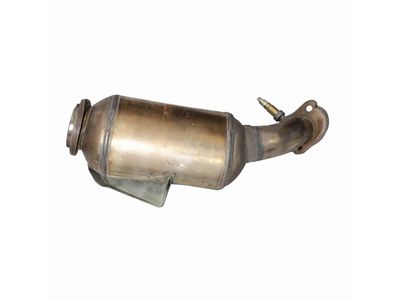
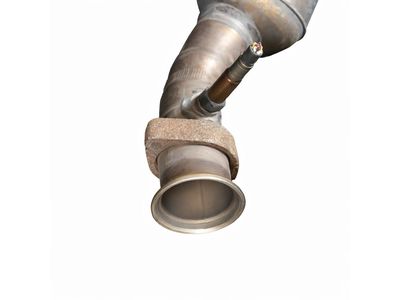
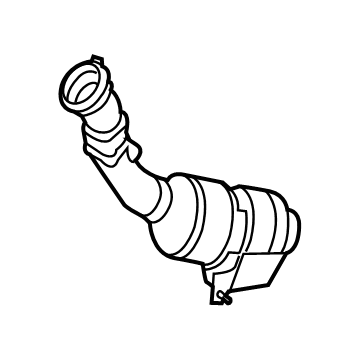
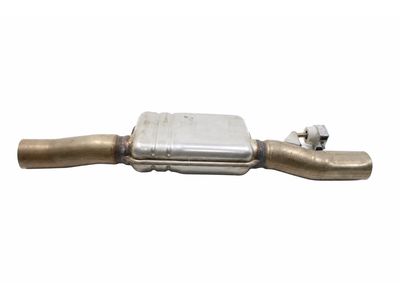
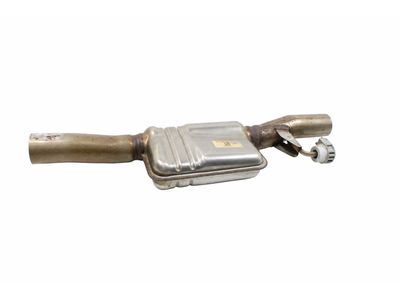
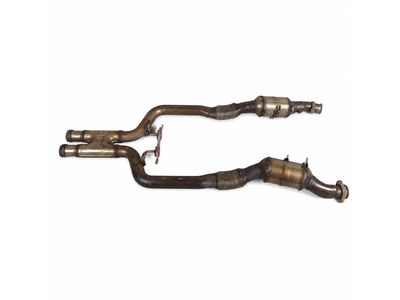
Mercedes-Benz Catalytic Converter Part Number: 276-140-96-13
$1031.73 MSRP: $1450.00You Save: $418.27 (29%)Ships in 1-2 Business DaysProduct Specifications- Other Name: Exhaust Gas Line
- Position: Passenger Side
- Replaces: 276-140-96-13-80
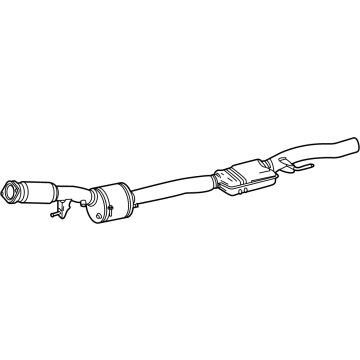
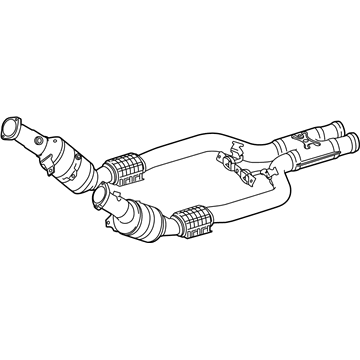
Mercedes-Benz Catalytic Converter Part Number: 177-490-44-01-64
$725.90 MSRP: $1020.00You Save: $294.10 (29%)Ships in 1-2 Business DaysProduct Specifications- Other Name: Exhaust System; Center Pipe, Converter & Pipe, Intermediate Pipe
- Replaced by: 177-490-44-01-65
- Replaces: 177-490-44-01
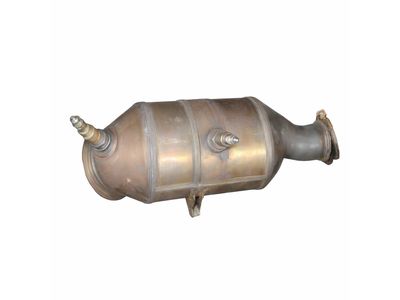
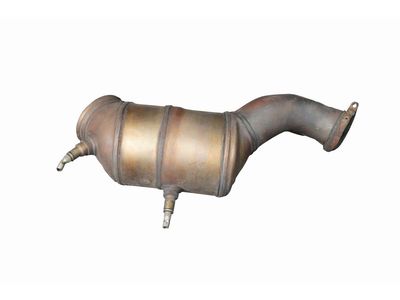
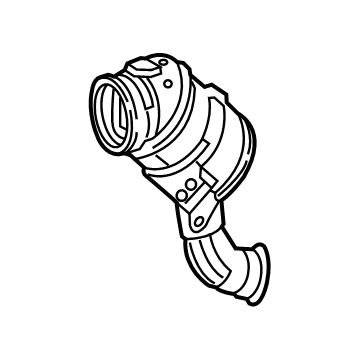
Mercedes-Benz Catalytic Converter Part Number: 274-140-18-08
$1771.91 MSRP: $2490.00You Save: $718.09 (29%)Ships in 1-2 Business DaysProduct Specifications- Other Name: Exhaust Gas Line; Converter, Front Pipe
- Replaces: 274-140-18-08-80
Mercedes-Benz Catalytic Converter Part Number: 222-490-69-10
$2525.18 MSRP: $3540.00You Save: $1014.82 (29%)Ships in 1-2 Business DaysProduct Specifications- Other Name: Exhaust Gas Line; Converter & Pipe
- Replaces: 222-490-69-10-80
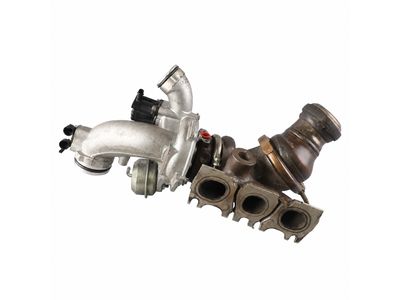
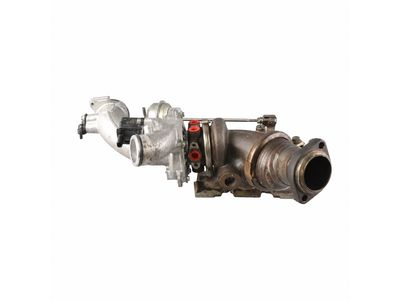
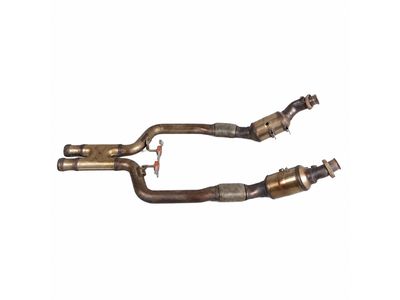
Mercedes-Benz Catalytic Converter Part Number: 276-140-94-13
$1110.27 MSRP: $1560.00You Save: $449.73 (29%)Ships in 1-2 Business DaysProduct Specifications- Other Name: Exhaust Gas Line
- Position: Driver Side
- Replaces: 276-140-94-13-80
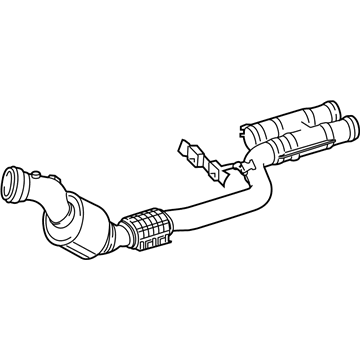
Mercedes-Benz Catalytic Converter Part Number: 222-490-00-10
$1463.70 MSRP: $2050.00You Save: $586.30 (29%)Ships in 1-2 Business DaysProduct Specifications- Other Name: Exhaust Gas Line; Converter & Pipe
- Position: Driver Side
- Replaces: 222-490-00-10-80
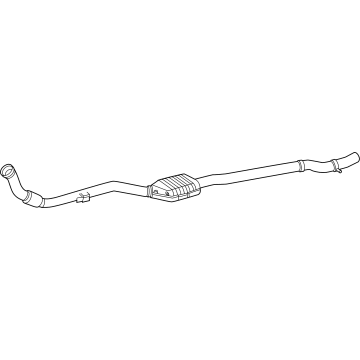
Mercedes-Benz Center Pipe Part Number: 254-490-47-01
$1378.02 MSRP: $1930.00You Save: $551.98 (29%)Ships in 1-2 Business DaysProduct Specifications- Other Name: Exhaust Gas Line, Front; Intermediate Pipe
- Position: Center
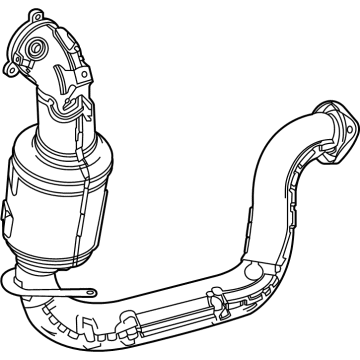
Mercedes-Benz Catalytic Converter Part Number: 247-490-72-00
$988.89 MSRP: $1390.00You Save: $401.11 (29%)Ships in 1-2 Business DaysProduct Specifications- Other Name: Exhaust Gas Line Front; Front Pipe
- Replaces: 247-490-72-00-80
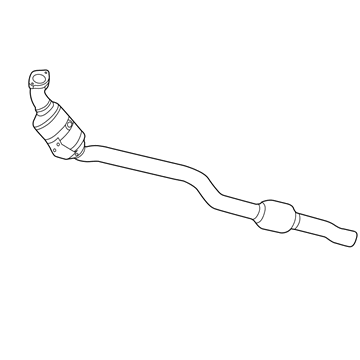
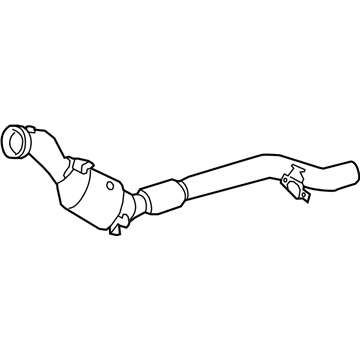
Mercedes-Benz Converter & Pipe Part Number: 212-490-46-20-80
$2074.17 MSRP: $2910.00You Save: $835.83 (29%)Ships in 1-2 Business DaysProduct Specifications- Other Name: Exhaust Line; Front Pipe
- Position: Passenger Side
- Replaced by: 212-490-46-20
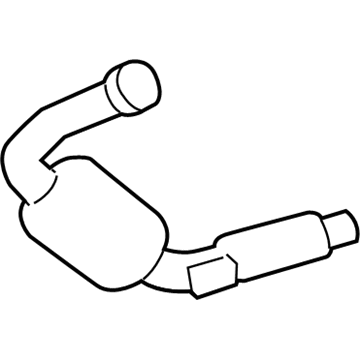
Mercedes-Benz Catalytic Converter Part Number: 222-490-01-10
$1368.50 MSRP: $1920.00You Save: $551.50 (29%)Ships in 1-2 Business DaysProduct Specifications- Other Name: Exhaust Gas Line; Converter & Pipe
- Position: Passenger Side
- Replaces: 222-490-01-10-80
Mercedes-Benz EXCHANGE EXHAUST SYSTEM Part Number: 906-490-06-00-64
$2304.88 MSRP: $3210.00You Save: $905.12 (29%)Ships in 1-2 Business DaysProduct Specifications- Other Name: Converter & Pipe, Front Pipe
- Replaces: 906-490-55-81-80, 906-490-55-81, 906-490-06-00, 906-490-06-00-80
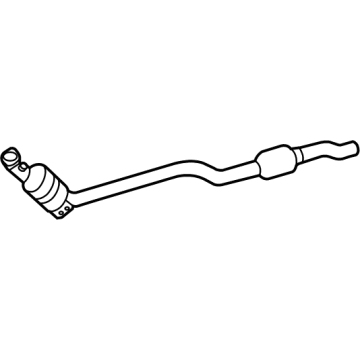
Mercedes-Benz Converter & Pipe Part Number: 204-490-84-20
$1218.56 MSRP: $1710.00You Save: $491.44 (29%)Ships in 1-2 Business DaysProduct Specifications- Other Name: Exhaust Line; Front Pipe
- Position: Passenger Side
- Replaces: 204-490-84-20-80
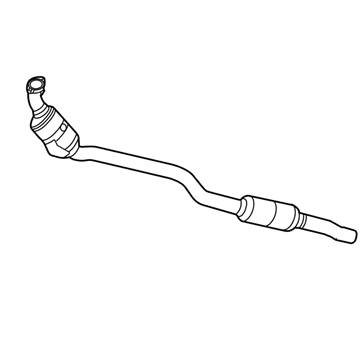
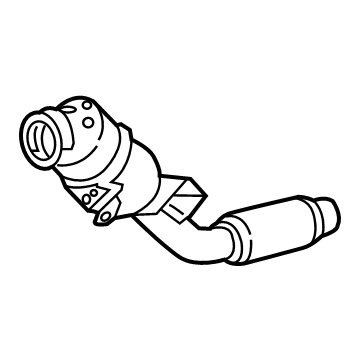
Mercedes-Benz Converter & Pipe Part Number: 212-490-38-20
$1023.40 MSRP: $1440.00You Save: $416.60 (29%)Ships in 1-2 Business DaysProduct Specifications- Other Name: Exhaust Line; Front Pipe
- Position: Passenger Side
- Replaces: 212-490-38-20-80
Mercedes-Benz EXHAUST SYSTEM Part Number: 907-490-03-00-64
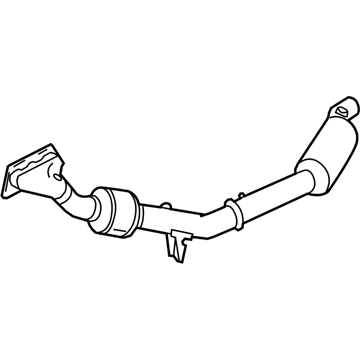
$2451.40 MSRP: $3440.00You Save: $988.60 (29%)Ships in 1-2 Business DaysProduct Specifications- Other Name: Converter & Pipe, Front Pipe
- Replaces: 907-490-03-00
Mercedes-Benz Catalytic Converter Part Number: 166-490-51-14-64
$1362.55 MSRP: $1910.00You Save: $547.45 (29%)Ships in 1-2 Business DaysProduct Specifications- Other Name: Exchange Catalytic Converter System; Converter & Pipe
- Position: Driver Side
- Replaces: 166-490-51-14, 166-490-51-14-80
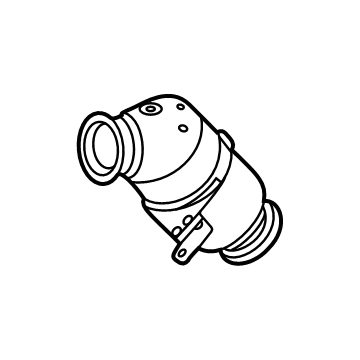
Mercedes-Benz Catalytic Converter Part Number: 264-140-33-00
$1987.30 MSRP: $2790.00You Save: $802.70 (29%)Ships in 1-2 Business DaysProduct Specifications- Other Name: Exhaust Gas Line
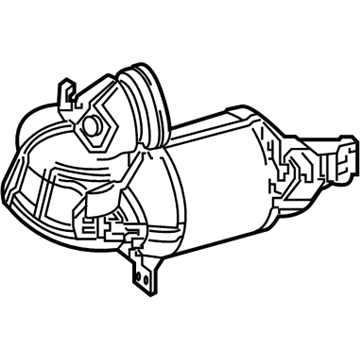
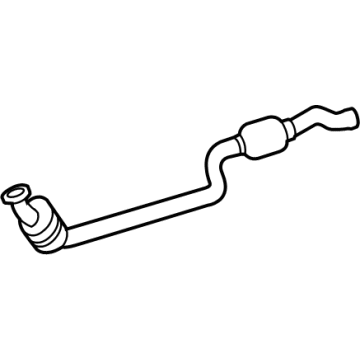
Mercedes-Benz Catalytic Converter Part Number: 256-140-99-00
$2986.90 MSRP: $4190.00You Save: $1203.10 (29%)Ships in 1-2 Business DaysProduct Specifications- Other Name: Exhaust Gas Line
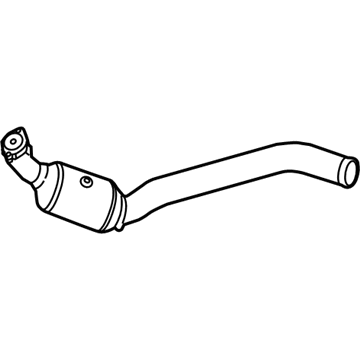
Mercedes-Benz Converter & Pipe Part Number: 204-490-83-20
$474.48 MSRP: $1370.00You Save: $895.52 (66%)Ships in 1-2 Business DaysProduct Specifications- Other Name: Exhaust Line; Front Pipe
- Position: Driver Side
- Replaces: 204-490-83-20-80
Mercedes-Benz Catalytic Converter Part Number: 166-490-16-14-64
$1205.47 MSRP: $1690.00You Save: $484.53 (29%)Ships in 1-2 Business DaysProduct Specifications- Other Name: Catalytic Converter System; Converter & Pipe
- Position: Passenger Side
- Replaces: 166-490-16-14, 166-490-16-14-80
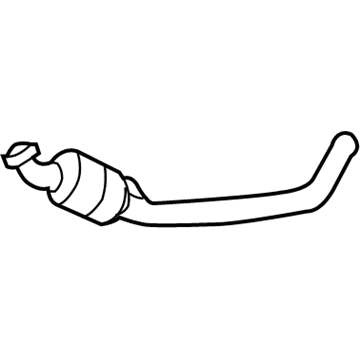
Mercedes-Benz Converter & Pipe Part Number: 251-490-69-14-64
$702.10 MSRP: $985.00You Save: $282.90 (29%)Ships in 1-2 Business DaysProduct Specifications- Other Name: Catalytic Converter System; Front Pipe
- Position: Driver Side
- Replaces: 251-490-69-14-80, 251-490-69-14, 251-490-01-14
| Page 1 of 22 |Next >
1-20 of 425 Results
Mercedes-Benz Catalytic Converter
The Mercedes-Benz Catalytic Converter scrubs toxic gases such as carbon monoxide and nitrogen oxides from the air, converting them into cleaner substances so that every time you hit the road is spirited and environmentally responsible. Founded in 1926 and now legendary for sleek sedans, SUVs, and even electric flagships, Mercedes-Benz combines German craftsmanship with state-of-the-art technology such as MBUX voice control and the new MB.OS software platform which integrates driver assist, battery management, and entertainment into one smooth digital cockpit. Energy recovery systems put excess power back to hybrid and electric drivetrains, and aerodynamic styling reduces drag; proof that luxury need not kill efficiency. Safety, comfort, and innovation are the cornerstones of the brand, providing drivers with confidence on highways and city streets alike. Just as the vehicles evolve, the second generation of the Catalytic Converter uses a honeycomb matrix coated with platinum, palladium, and rhodium to generate rapid redox reactions without choking the flow of the engine so acceleration stays lively while emissions stay within strict limits. A tough stainless case protects the substrate from road debris, and the design is resistant to thermal shock, guaranteeing long life for the whole range, from compact cars to full-size vans. By maintaining smooth exhaust flow and optimal temperatures, this part ensures fuel economy, prevents dashboard warnings, and helps every model meet global environmental standards.
Genuine parts are built to last. These components go through tough factory testing, so you can trust they will hold up over time. At MBPartsGiant.com, finding Mercedes-Benz Catalytic Converter is quick and simple. We keep a massive inventory in stock with low prices that are hard to beat. Just order online to get a real manufacturer's warranty with every single part. Returns won't be a headache either, thanks to our no-hassle policy. If you are in a rush, we provide expedited shipping to get your vehicle back on the road. Don't wait. Finish your repairs today and keep your Mercedes-Benz running like new. Explore the catalog now.
Mercedes-Benz Catalytic Converter Parts and Q&A
- Q:What should an owner be aware of to ensure the proper functioning and longevity of a catalytic converter on Mercedes-Benz 190E?A:The catalytic converter is an inexpensive, trouble-free, maintenance-free, efficient gadget that has no moving parts and that can be trusted to work perfectly; however, there are some facts that the owner should have known about the functioning of the converter to maintain the performance of the converter during its service life. In petrol engines, it is important to note that leaded petrol should never be used, because lead will cover precious metals within the converter making it less efficient and even breaking the converter. It is also necessary that the ignition and fuel systems should be serviced as per the timetable issued by the manufacturer and in case of misfire of the engine; one should avoid driving too much until you sort things out. It is not recommended to push or to tow the car (this may cause unburned fuel to soak the converter, resulting in overheating when starting your car up again). Also, you should not turn off the ignition on high engine speed. There can be a sulphurous odour of the exhaust, especially with low-grade fuel, but this is avoided with further few thousand seconds. An active catalytic converter is expected to perform a range of 50,000 to 100,000 miles, and once it fails to work, it needs to be replaced. In the petrol and diesel models this is not the case as both models should not take any fuel or engine oil additives, or may damage the converter. When the engine exhausts a lot of oil expelling blue smoke, then the car must not be utilized. One should bear in mind that the catalytic converter is going to work in a hot climate, thus it should not be parked in wet undergrowth, over extensive grass, or under a blanket of fallen leaves after a lengthy exercise. Finally, the converter is delicate and should not be hit with a tool during servicing.
- Q:What is the general description and replacement process for a catalytic converter on Mercedes-Benz C230?A:The emission control device of the exhaust system that minimizes some pollutants (hydrocarbons, carbon monoxide and oxides of nitrogen respectively) is called a catalytic converter, and there are two types of catalytic converters namely; oxidation catalyst and reduction catalyst. All three pollutants can be reduced in a so-called Three-Way Catalyst. Two catalysts are fitted to V6 models, one beneath the exhaust manifold flange and another fitted beneath the exhaust manifold; four-cylinder models usually have a single catalyst either near the rear end or directly below the exhaust manifold, and subsequent models have the catalyst built into the exhaust manifold. Should there be an indication of a problem, it is prudent to drop over at a dealer or official emission inspection center to have it diagnosed, because the equipment to perform the test is very costly. It should be checked frequently in terms of leaks, corrosion, and other damage, in case any problem has been identified, converter has to be replaced. A vacuum gauge can be used to monitor intake vacuum at idle and at throttle openings to check the presence of a clogged converter: a big fall in vacuum rate can indicate a restriction. In order to replace it, the vehicle must be lifted up, and replacement oil used which flows through fasteners at the exhaust manifold flange and catalyst flanges. Once the oxygen sensor electrical connector has been detached, and the oxygen sensors have been taken out, it is possible to remove the catalytic converter assembly. Only new flange gaskets must be installed, and all fasteners placed with a firm tight fit using anti-seize compound on the threads.

Related Mercedes-Benz Parts
 Mercedes-Benz EGR Valve
 Mercedes-Benz Exhaust Clamp
 Mercedes-Benz Exhaust Manifold
 Mercedes-Benz Air Injection Pump
 Mercedes-Benz EGR Tube
 Mercedes-Benz EGR Tube Gaskets
 Mercedes-Benz Exhaust Manifold Gasket
 Mercedes-Benz Exhaust Resonator
 Mercedes-Benz Exhaust Tip
 Mercedes-Benz Shut Off Valve
 Mercedes-Benz Tail Pipe
 Mercedes-Benz Vapor Canister
Browse by Model
190D Catalytic Converter 190E Catalytic Converter 260E Catalytic Converter 300CE Catalytic Converter 300E Catalytic Converter 300SE Catalytic Converter 300SEL Catalytic Converter 300TE Catalytic Converter 350SD Catalytic Converter 350SDL Catalytic Converter 380SL Catalytic Converter 400SE Catalytic Converter 400SEL Catalytic Converter 420SEL Catalytic Converter 500SEC Catalytic Converter 500SEL Catalytic Converter 500SL Catalytic Converter 560SEC Catalytic Converter 560SEL Catalytic Converter 560SL Catalytic Converter 600SEC Catalytic Converter 600SEL Catalytic Converter 600SL Catalytic Converter A220 Catalytic Converter A35 AMG Catalytic Converter AMG GT 43 Catalytic Converter AMG GT 53 Catalytic Converter AMG GT 55 Catalytic Converter AMG GT 63 Catalytic Converter AMG GT 63 S Catalytic Converter AMG GT 63 S E Performance Catalytic Converter AMG GT Black Series Catalytic Converter AMG GT C Catalytic Converter AMG GT Catalytic Converter AMG GT R Catalytic Converter AMG GT R Pro Catalytic Converter AMG GT S Catalytic Converter C220 Catalytic Converter C230 Catalytic Converter C240 Catalytic Converter C250 Catalytic Converter C280 Catalytic Converter C300 Catalytic Converter C32 AMG Catalytic Converter C320 Catalytic Converter C350 Catalytic Converter C350e Catalytic Converter C400 Catalytic Converter C43 AMG Catalytic Converter C450 AMG Catalytic Converter C55 AMG Catalytic Converter C63 AMG Catalytic Converter C63 AMG S Catalytic Converter C63 AMG S E Performance Catalytic Converter CL500 Catalytic Converter CL55 AMG Catalytic Converter CL550 Catalytic Converter CL600 Catalytic Converter CL63 AMG Catalytic Converter CL65 AMG Catalytic Converter CLA250 Catalytic Converter CLA35 AMG Catalytic Converter CLA45 AMG Catalytic Converter CLA45 AMG S Catalytic Converter CLE300 Catalytic Converter CLE450 Catalytic Converter CLE53 AMG Catalytic Converter CLK320 Catalytic Converter CLK350 Catalytic Converter CLK55 AMG Catalytic Converter CLK550 Catalytic Converter CLS400 Catalytic Converter CLS450 Catalytic Converter CLS500 Catalytic Converter CLS53 AMG Catalytic Converter CLS55 AMG Catalytic Converter CLS550 Catalytic Converter CLS63 AMG Catalytic Converter CLS63 AMG S Catalytic Converter E250 Catalytic Converter E300 Catalytic Converter E320 Catalytic Converter E350 Catalytic Converter E400 Catalytic Converter E420 Catalytic Converter E43 AMG Catalytic Converter E430 Catalytic Converter E450 Catalytic Converter E500 Catalytic Converter E53 AMG Catalytic Converter E55 AMG Catalytic Converter E550 Catalytic Converter E63 AMG Catalytic Converter E63 AMG S Catalytic Converter G500 Catalytic Converter G55 AMG Catalytic Converter G550 Catalytic Converter G63 AMG Catalytic Converter G65 AMG Catalytic Converter GL320 Catalytic Converter GL350 Catalytic Converter GL450 Catalytic Converter GL550 Catalytic Converter GL63 AMG Catalytic Converter GLA250 Catalytic Converter GLA35 AMG Catalytic Converter GLA45 AMG Catalytic Converter GLB250 Catalytic Converter GLB35 AMG Catalytic Converter GLC300 Catalytic Converter GLC350e Catalytic Converter GLC43 AMG Catalytic Converter GLC63 AMG Catalytic Converter GLC63 AMG S Catalytic Converter GLC63 AMG S E Performance Catalytic Converter GLE300d Catalytic Converter GLE350 Catalytic Converter GLE400 Catalytic Converter GLE43 AMG Catalytic Converter GLE450 AMG Catalytic Converter GLE450 Catalytic Converter GLE450 SUV Catalytic Converter GLE450e Catalytic Converter GLE53 AMG Catalytic Converter GLE53 AMG SUV Catalytic Converter GLE550e Catalytic Converter GLE580 Catalytic Converter GLE63 AMG Catalytic Converter GLE63 AMG S Catalytic Converter GLE63 AMG S SUV Catalytic Converter GLK250 Catalytic Converter GLK350 Catalytic Converter GLS450 Catalytic Converter GLS550 Catalytic Converter GLS580 Catalytic Converter GLS63 AMG Catalytic Converter Metris Catalytic Converter ML250 Catalytic Converter ML320 Catalytic Converter ML350 Catalytic Converter ML400 Catalytic Converter ML430 Catalytic Converter ML450 Catalytic Converter ML500 Catalytic Converter ML55 AMG Catalytic Converter ML550 Catalytic Converter ML63 AMG Catalytic Converter R320 Catalytic Converter R350 Catalytic Converter R500 Catalytic Converter S320 Catalytic Converter S350 Catalytic Converter S400 Catalytic Converter S420 Catalytic Converter S430 Catalytic Converter S450 Catalytic Converter S500 Catalytic Converter S55 AMG Catalytic Converter S550 Catalytic Converter S550e Catalytic Converter S560 Catalytic Converter S560e Catalytic Converter S580 Catalytic Converter S580e Catalytic Converter S600 Catalytic Converter S63 AMG Catalytic Converter S63 AMG E Performance Catalytic Converter S65 AMG Catalytic Converter SL400 Catalytic Converter SL43 AMG Catalytic Converter SL450 Catalytic Converter SL500 Catalytic Converter SL55 AMG Catalytic Converter SL550 Catalytic Converter SL600 Catalytic Converter SL63 AMG Catalytic Converter SL63 AMG S E Performance Catalytic Converter SL65 AMG Catalytic Converter SLC300 Catalytic Converter SLC43 AMG Catalytic Converter SLK250 Catalytic Converter SLK300 Catalytic Converter SLK350 Catalytic Converter SLK55 AMG Catalytic Converter Sprinter 1500 Catalytic Converter Sprinter 2500 Catalytic Converter Sprinter 3500 Catalytic Converter Sprinter 3500XD Catalytic Converter